Czechia Is Stress-Testing Digital ID Before Voters Need It Again.
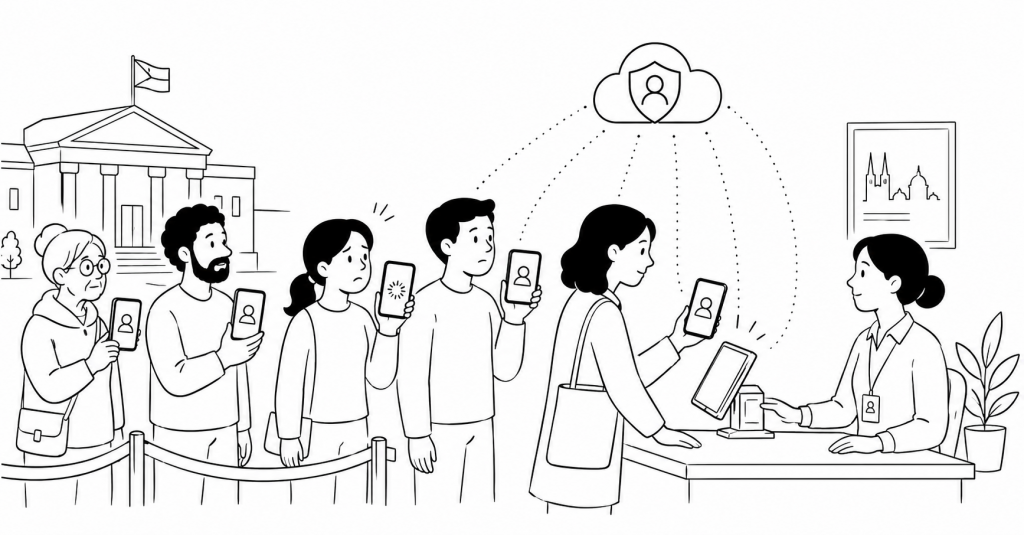
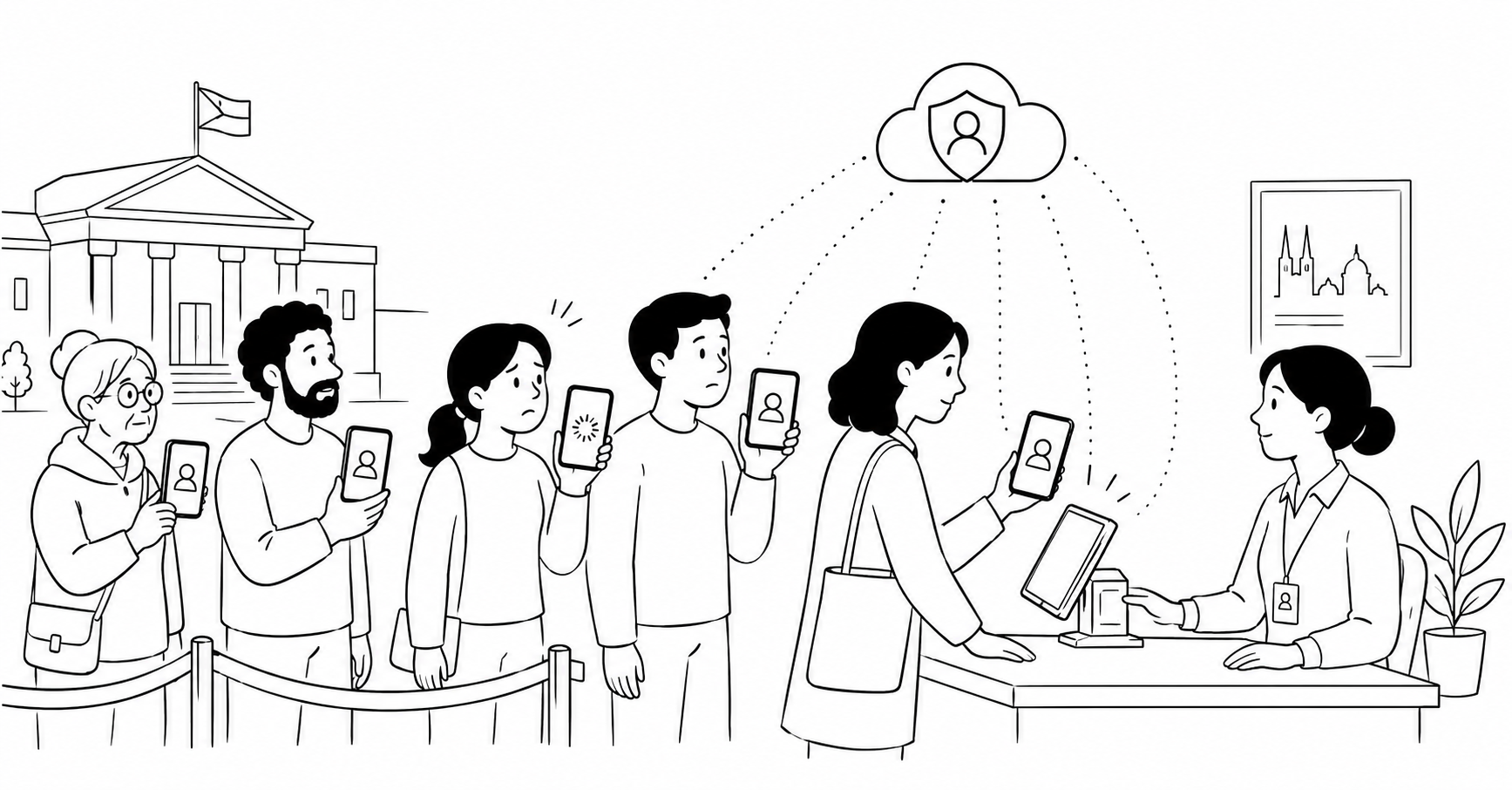
Last year, Czechia’s digital-ID app crashed during a parliamentary election. On Thursday, the government asked 40,000 people to log in at the same time to see if the problem is fixed.
Czech authorities are inviting eDoklady users to simultaneously access the country’s digital identification app in a coordinated load test designed to recreate the traffic surge that brought the system down during last year’s parliamentary election. Officials are targeting roughly 40,000 simultaneous users — a number calibrated to mirror expected usage during upcoming municipal elections. The goal is to find out whether the infrastructure can handle the moment before the moment arrives.
That framing — test it before people need it — is reasonable government practice. What makes the test worth watching is what it acknowledges: a state-issued digital credential failed at precisely the moment citizens were trying to use it for civic participation. The crash was not a minor inconvenience. For anyone who depended on the app as their primary form of identification, it was a loss of access to a process with a deadline.
Digitizing government credentials has a genuine upside. A phone-based ID can be easier to carry, harder to lose, and faster to verify than a physical document. Czechia’s eDoklady rollout is part of a broader European push toward digital identity infrastructure, and at routine volumes the system presumably functions as intended. The problem surfaces at scale — when everyone who needs the credential needs it at the same time, which is exactly when elections happen.
That is the condition worth naming directly. When identification moves from a physical document to a digital system, technical reliability becomes a prerequisite for civic access. A plastic ID card does not go down during peak load. A server can. And the populations least likely to have backup options — those without alternative documents, those less able to navigate bureaucratic workarounds — are the ones for whom a system failure at the wrong moment is most consequential.
Czechia is doing the right thing by running the test. The more important question is what happens if the test fails, or if the municipal election generates a load the stress test did not anticipate. Physical identification did not disappear when eDoklady launched — yet. But as digital credentials become the default and physical ones become the backup, the gap between “the app is down” and “you cannot participate” gets narrower.
Every government digitizing its identity infrastructure is making the same implicit bet: that the system will be available when people need it. Czechia is at least trying to verify that bet before the next election. Most governments running similar programs have not.