Clark County Weighs Data Center Regulations After Contentious Approval
Two weeks after Clark County commissioners unanimously approved an expansion of the largest data center campus in Southern Nevada, they are scheduled to discuss whether the county should have rules for evaluating the next one. The sequencing is the story.
The Clark County Commission, acting as the county’s zoning board, approved a roughly 57,000-square-foot expansion of Switch’s southwest Las Vegas megacomplex in June, over objections from more than a dozen residents and the Sierra Club’s Toiyabe Chapter, who cited water use, electricity demand, and noise. Commissioner Tick Segerblom voted for the project but told the Las Vegas Review-Journal afterward that the county needed a broader conversation about future data centers, since it currently has “no ordinances, no structure” for weighing their cumulative effects. That conversation is now on the agenda for the next commission meeting, framed as a discussion of “the application process and approval criteria for data centers in unincorporated Clark County.”
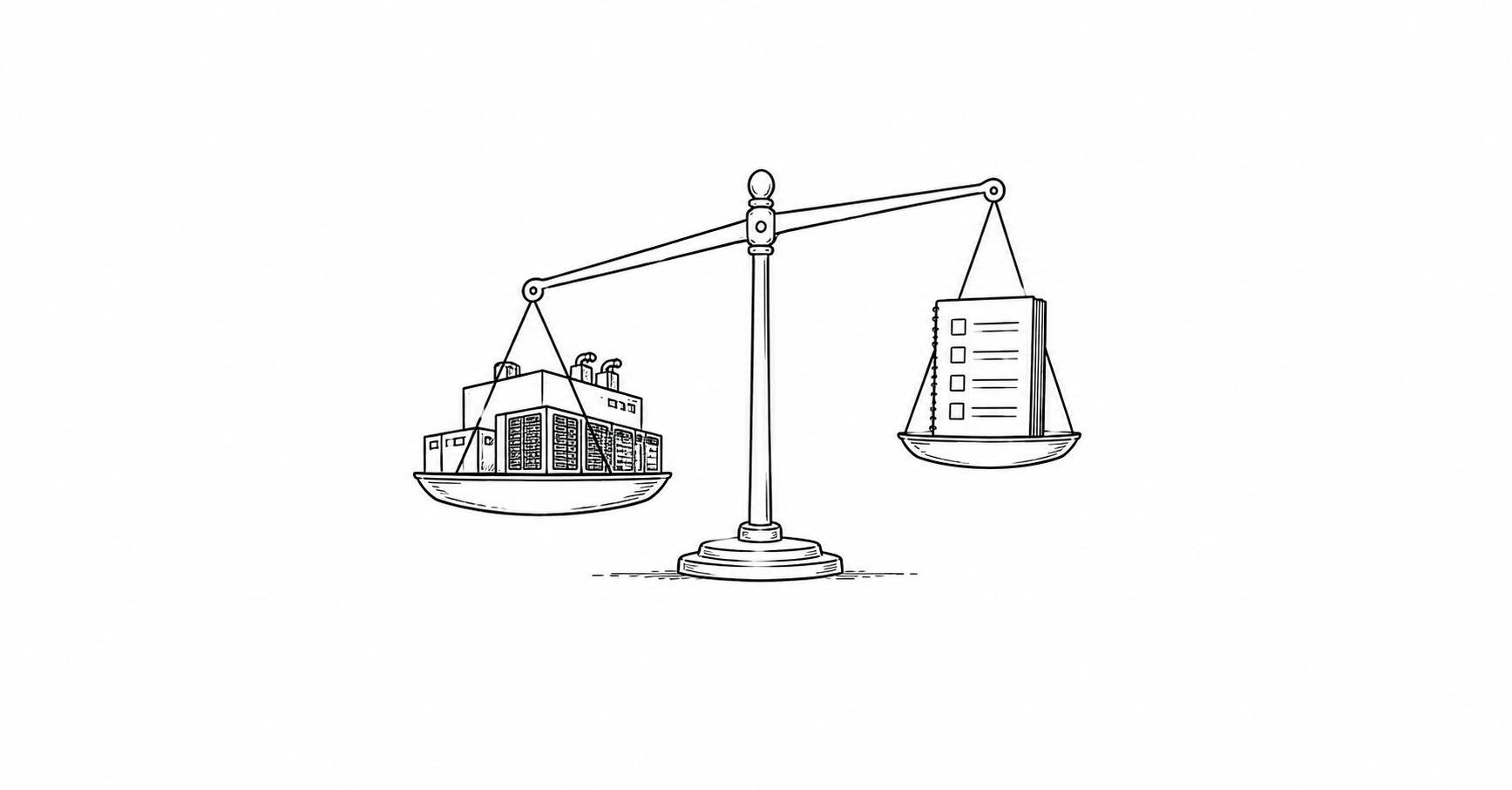
The order of operations matters more than the substance of what gets discussed. Zoning is supposed to work the other way: a jurisdiction sets criteria, then applies them to individual proposals as they arrive. Clark County approved a data center expansion under the existing, undefined process, and only afterward is asking what a defined process should look like. That means whatever standards eventually emerge will be built in the shadow of a precedent the county has already set. Segerblom himself called the approved Switch facility “the gold standard,” which effectively pre-answers part of the regulatory question before the regulation exists: future proposals will be measured against a project the county already blessed, not against criteria developed independently of it.
Clark County is also moving in the opposite direction from several of its neighbors. The City of Reno has an active data center moratorium extending into 2027. Henderson introduced an ordinance in June that could impose a 180-day pause on new applications, with a city council vote scheduled for July 21. Boulder City’s planning commission has recommended rejecting an 88.5-acre data center proposal outright, and Nye County’s water district requested an emergency moratorium in the Pahrump Valley. Against that backdrop, Clark County approving an expansion first and discussing guidelines second reads less like caution and more like momentum: the county with the most existing data center infrastructure, more than 2 million square feet at the Switch campus alone, is also the one moving fastest to keep approving more of it.
The substantive concerns raised by opponents are not hypothetical. Southern Nevada Water Authority spokesperson Bronson Mack has said the county’s development codes already require water-efficient cooling for new commercial projects, pointing to the fact that new facilities rely on closed-loop, non-evaporative cooling systems that use a fraction of the water older data centers required. But electricity demand is a different constraint than water, and commissioners including James Gibson have said openly that they don’t support data centers because of how much energy capacity they consume, tying up supply that the rest of the region’s growth depends on. That tension, between a county actively courting the tax revenue and construction jobs data centers bring and commissioners who privately doubt the industry is sustainable at its current pace, is exactly what an approval-first, criteria-second process obscures. Each individual project gets evaluated on its own environmental specifications while the cumulative question, how many data centers can the Las Vegas Valley’s grid and water system actually absorb, never gets asked until after the fact.
No draft ordinance exists yet, and Segerblom has said he has no specific proposals in mind. That’s arguably the most telling detail: after a contested approval and a public commitment to “get ahead of the game,” the county’s next step is still a conversation about what a conversation about rules might eventually look like. Reno, Henderson, and Boulder City are all further along than that. Clark County, with the most data center infrastructure of any of them, is the furthest behind on deciding how much more it wants.