Chicago Is Treating Transit Safety as Fare Enforcement and Social Work
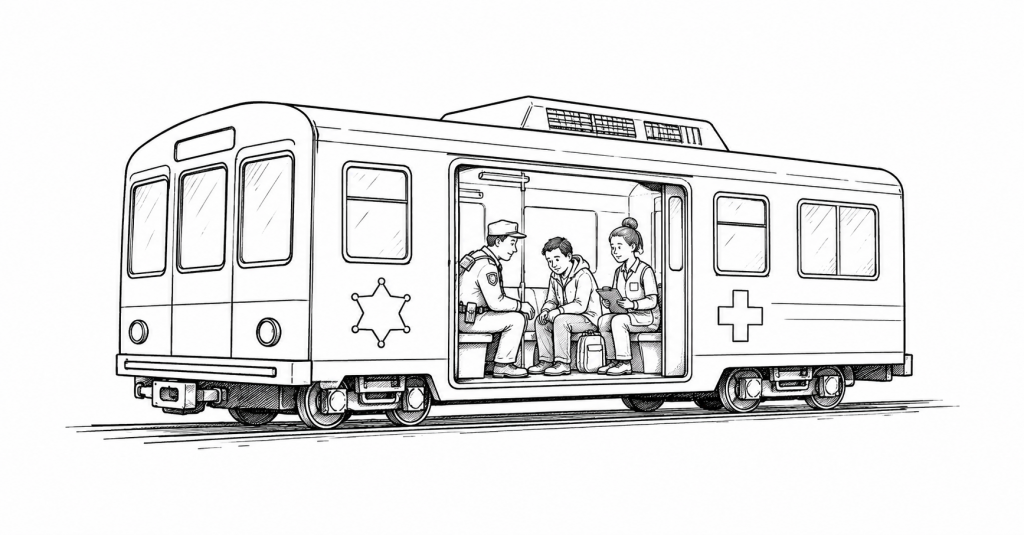
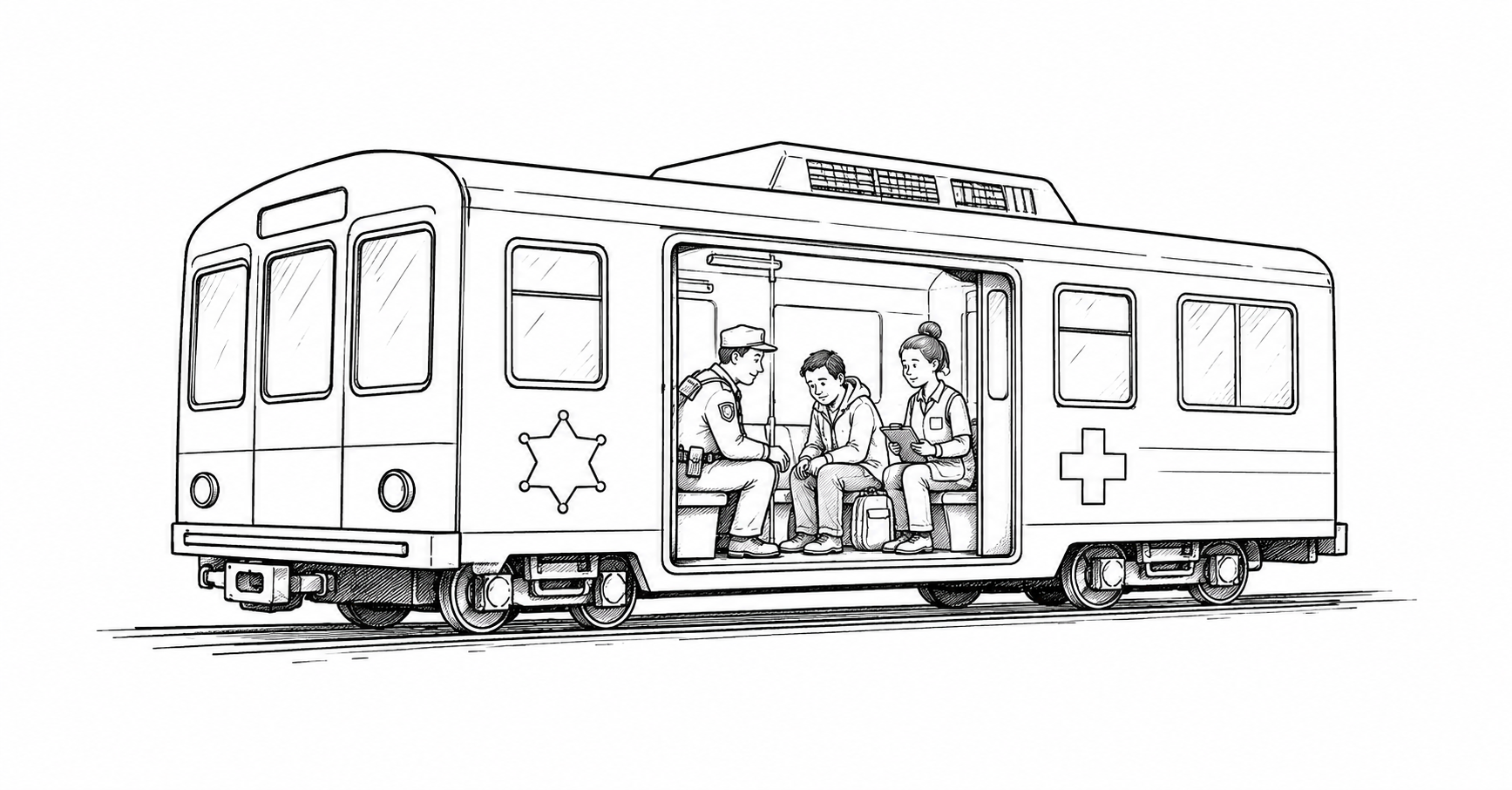
On a Tuesday afternoon in late June, five Cook County sheriff’s deputies and a social service worker boarded the west side branch of the CTA Green Line and began walking car to car. Justin Kaufmann reported for Axios Chicago on June 25 that he was with them — and what he witnessed was not a crime sweep. It was a city trying to figure out, in real time, what a public transit system is actually for.
Since March 27, sheriff’s personnel have made 225 arrests, recovered 23 weapons, located 10 missing people, issued more than 1,500 warnings, and connected more than 115 people with mental health or substance use services at a cost of $3.1 million. The Red Line has seen an 85% reduction in fare evasion and a 77% drop in violent crime. Those numbers are real. Sheriff Tom Dart told Axios that when his officers first arrived, they were blown away — not by violence, but by normalization. Smoking, open alcohol, passengers moving between cars, the vast majority not paying fares. “That had just gotten to be normalized,” he said.
Here is what the numbers don’t say: a train car that needs five armed deputies and a social worker to feel safe is a train car that has been absorbing the consequences of every other system that failed before it. The 115 people connected to mental health services did not develop mental health crises on the Green Line. They arrived there because the housing system, the treatment system, the employment system, and the shelter system did not catch them first. Fare evasion is not primarily a revenue problem. It is a poverty signal. A rider who cannot afford $2.50 is not a criminal who needs a warning. The warning count going up does not mean the underlying condition improved.
Dart has been direct about where this is heading. He told the Chicago Sun-Times that a unified transit police force — covering the CTA, Metra, and Pace — is probably the easiest path forward and may be among the largest changes to how transit operates in Chicago. He has also flagged the cautionary tale of Los Angeles, which recently formed its own transit police force and watched costs escalate quickly. The Northern Illinois Transit Authority, created under the state’s new transit funding law, will receive the task force’s findings by year’s end.
The model being built here — enforcement plus social services, warnings plus welfare checks, deputies plus caseworkers — is not wrong as an emergency intervention. It is worth examining as a permanent architecture. When a city decides that the way to make a train safe is to staff it like a mobile triage unit, it has made a decision about what the train is for. The people who depend on the CTA most — low-income riders, essential workers, people without cars — will either benefit from the investment or absorb the surveillance of it. Which one depends entirely on whether the patrol model eventually connects to the housing, treatment, and income systems it keeps meeting on the train.