China’s Exports Surged 27 Percent in June. The Story Is Not Demand. It Is Who Controls the Supply Chain When the Tariff Clock Runs Out.
The fastest export growth China has recorded since 2021 is an industrial timing story — and it reveals which country is building the infrastructure that wins the long game.
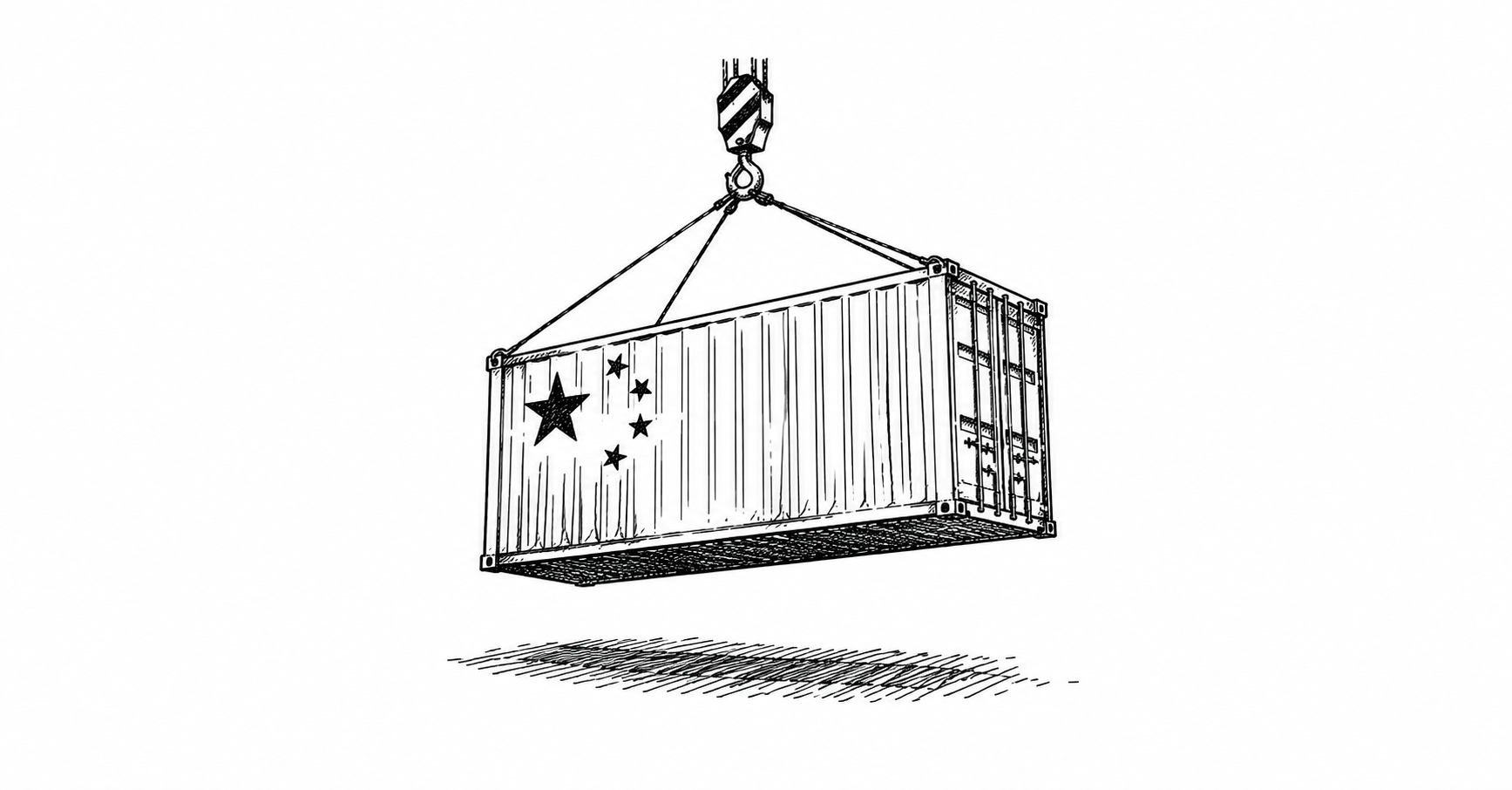
China recorded 27% year-over-year export growth in June 2026 — its fastest pace since October 2021 — according to CNBC reporting on July 14. The leading categories: semiconductors, rare earths, ships, and automobiles. The timing was not coincidental. Section 301 tariffs, Section 232 semiconductor duties, and the collapse of the USMCA review all converged in July, creating a deadline-driven window in which Chinese exporters moved inventory faster to beat anticipated price increases.
The mechanism driving the surge is industrial timing, not organic demand acceleration. When tariff calendars create known cliff edges — dates after which the cost of moving goods rises materially — manufacturers and importers on both sides of the transaction front-load shipments. The number that appears in the export data looks like growth. What it actually records is repositioning: supply chain actors moving product before the window closes. CNBC’s coverage named the headline figure accurately. The structural question underneath it is what the supply chain looks like after July’s deadlines pass and the front-loading is over.
Here is where the demand story and the control story diverge. The AI infrastructure build-out globally — servers, data centers, chips — is driving genuine, sustained demand for the categories China exports most aggressively: semiconductors, rare earths, precision manufacturing components. China is not just benefiting from the urgency the tariff calendar created. It is positioned as the dominant supplier for the inputs the global economy needs to build the technology infrastructure that will define the next decade of economic competition. That positioning did not appear in June’s export data. It was built over twenty years of industrial policy designed precisely for this moment.
The U.S. posture — using tariffs as leverage in geopolitical negotiation — produces a different kind of effect. Tariffs raise the cost of Chinese goods for American buyers. They do not transfer the manufacturing capacity that produces those goods to American facilities. The rare earths that go into American AI chips still come overwhelmingly from China. The semiconductors that Taiwanese fabs use to produce Nvidia GPUs are still heavily dependent on Chinese-origin materials and components. The tariff is a tax on the transaction. It is not a substitute for the supply chain it is designed to pressure.
The June surge number will likely reverse partially in July as front-loading exhausts itself. That reversal will be covered as a slowdown. The more durable story is structural: China built the export position that produced June’s numbers by investing in the industries that control the inputs the world’s AI economy requires — and it did this while the competing policy instrument on the other side of the Pacific was a tariff schedule. One country was building the infrastructure. The other was taxing the transactions. The country that built the infrastructure will still control the supply chain when the tariff deadlines pass.
The AI race, framed as a competition between American and Chinese technology companies, is also a competition between American and Chinese industrial ecosystems. The export data from June is not evidence that China is winning that competition. It is evidence that China is already inside it at the supply chain level — and that the urgency generated by the U.S. tariff calendar is currently working in its favor.