Ethiopia’s debt deal shows recovery is negotiated by creditors before citizens feel it
The restructuring reduces Ethiopia’s immediate burden, but it also shows how fiscal room is shaped by creditor leverage before citizens feel recovery.
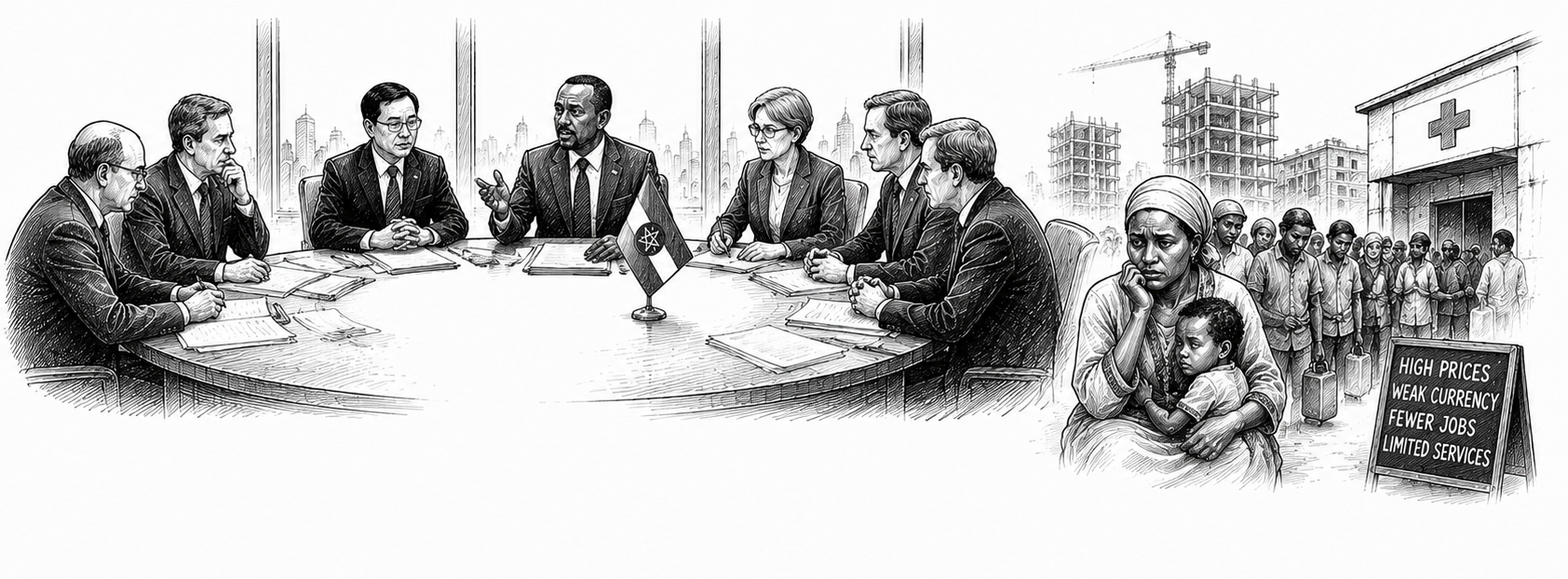
Reuters reported June 29 that Ethiopia had reached a preliminary agreement in principle with an Ad Hoc Committee of bondholders holding roughly 45% of its defaulted $1 billion international bond, restructuring the notes to $880 million after the country missed payments in 2023. The agreement reduces the face value of the debt, lowers the annual interest rate to 6.15% from 6.25%, and includes full payment of $99.375 million in past-due interest, a consent fee to bondholders, and a warrant tied to a possible future bond issue. The IMF has confirmed the terms align with Ethiopia’s debt sustainability targets, and the Official Creditor Committee, co-chaired by China and France, has given a preliminary non-objection. On paper, that is a technical sovereign-debt transaction. In practice, it is a reminder that national recovery is often negotiated in rooms where citizens are not present.
The immediate story is relief. Ethiopia has been trying to stabilize after civil war, inflation, external financing pressure, and a hard-currency shortage that constrained both public spending and private-sector activity. The country has secured more than $8 billion in debt relief across creditors, and the bond deal fits inside a broader restructuring architecture backed by China, Ethiopia’s largest creditor, and the International Monetary Fund. The agreement avoids a potentially damaging lawsuit in British courts and gives the government more room than default would have allowed.
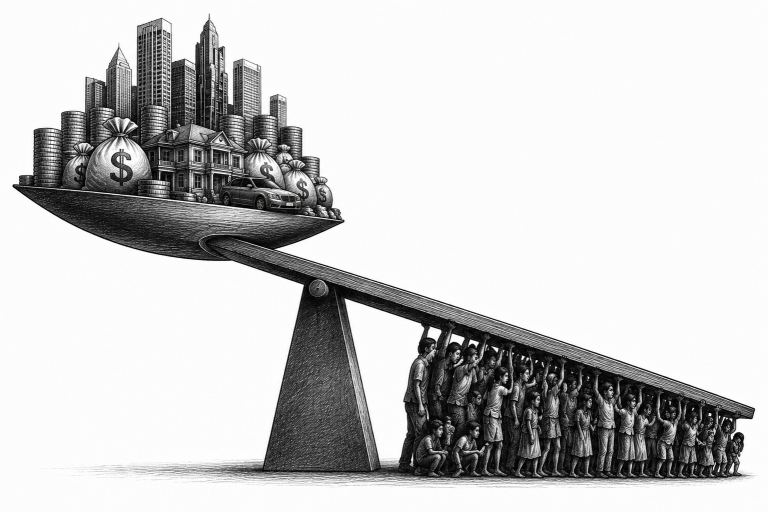
But sovereign debt restructuring is rarely only about how much a country owes. It is about who gets to decide when the pain is sufficient, whether public services can be protected, and how much future policy space must be traded away to satisfy creditors. Bondholders entered the process with the threat of legal action. Some investors argued the relief was too generous to Ethiopia. Debt justice advocates argued the opposite: that creditor pressure still shaped the outcome too heavily. That disagreement reveals the real power structure. The fight was not simply between Ethiopia and its creditors. It was over whose definition of recovery would govern the next fiscal chapter.
That is why African finance ministers have been pushing for a rewrite of global debt rules. The current system treats sovereign distress as a negotiation among creditors, multilateral institutions, and national finance ministries, with citizens appearing later as the people who live under the adjusted budgets. A country can reach a debt deal and still face reduced public investment, tighter spending choices, currency pressure, and reform requirements that land unevenly across households. The restructuring may improve the balance sheet before it improves daily life.
Ethiopia’s deal also exposes the limits of the G20 Common Framework. The framework was designed to coordinate debt relief for countries under severe strain, but in practice it has been slow, fragmented, and vulnerable to holdout pressure. Different creditor classes do not always move together. Private bondholders, bilateral creditors, China, and multilateral institutions each have different incentives and different legal tools. A government seeking relief must navigate all of them while trying to keep domestic politics stable and public services functioning.
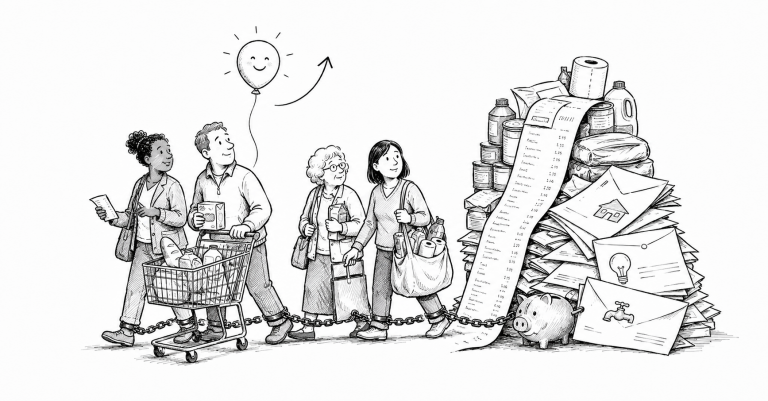
The public often experiences debt restructuring through inflation, currency changes, subsidy shifts, delayed infrastructure, and wage pressure rather than through the announcement itself. That is why the phrase “debt relief” can overstate what happens next. Relief may prevent a worse outcome, but it does not automatically produce recovery. It only changes the terms under which recovery can be pursued. The question is whether the resulting fiscal space is large enough to protect people, or whether it mainly protects the repayment system from collapse.
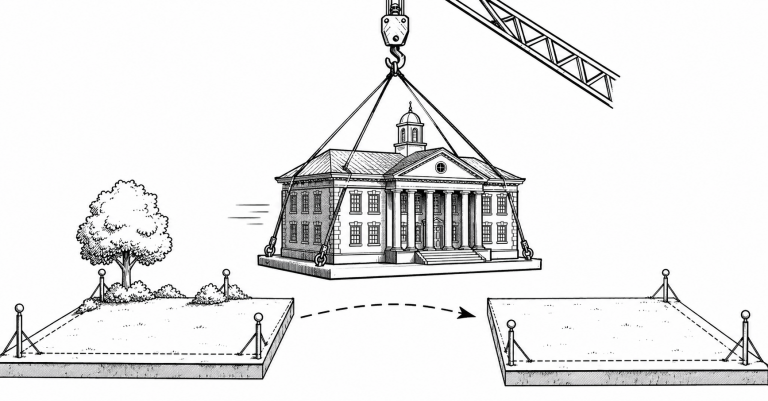
Ethiopia’s agreement is important because it shows both sides of the sovereign debt bargain. The country avoided a legal fight, reduced part of its debt burden, and moved closer to financial normalization. But the settlement also reinforces a global architecture in which creditors negotiate first and citizens absorb the outcome later. Recovery begins on a spreadsheet, but it is judged in schools, clinics, food prices, jobs, and the state’s capacity to act. Until those measures improve, the deal is not the end of the crisis. It is the beginning of the next argument over who gets to benefit from the breathing room.