The news tells you what happened. We explain what changed.
Explore all past issues, only on Beehiiv.
All Race In America stories, newest first.
Race In America
On July 4, 2026, Nolan Xavier Wells joined a group of friends for a boat trip…
By Leena Alridge · July 10, 2026
Race In America
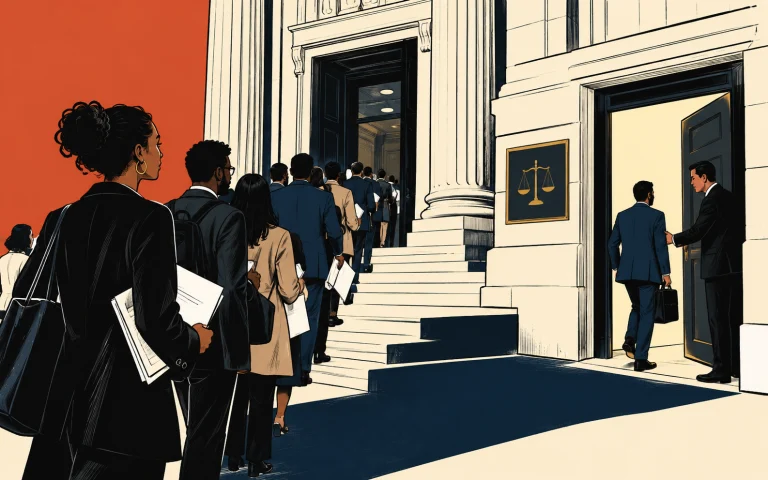
What a Senate hearing revealed about identity, power, and the stories we tell about erasure
By Social Storytellers Collective News Desk · March 24, 2026

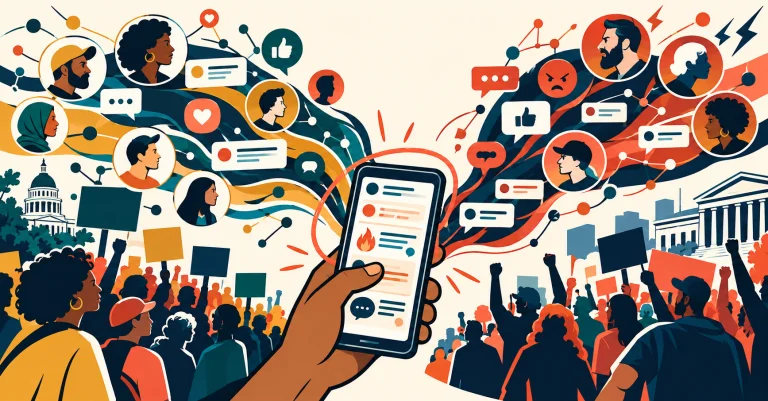
America’s racial tensions are no longer confined to institutions, neighborhoods or political movements. Social platforms, algorithms and automated accounts have built an infrastructure capable of turning resentment into community — and community into mobilization.
Four months after USCIS made it harder for immigrants already living in the United States to adjust to permanent residency, the policy is now facing a federal lawsuit — and the broader crackdown on legal immigration is spreading into the technology workforce.
Students and alumni seek a nearly $549 million remedy over alleged inequities in Missouri's funding of its historically Black land-grant university.
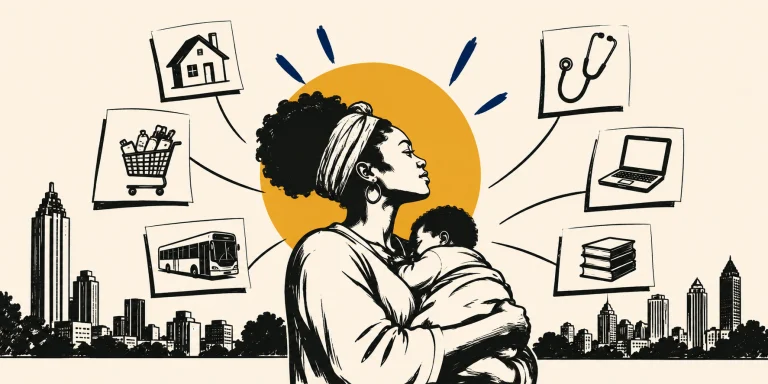
Guaranteed-income programs in Atlanta, New Orleans and Michigan are testing whether direct financial support can improve maternal and infant health.
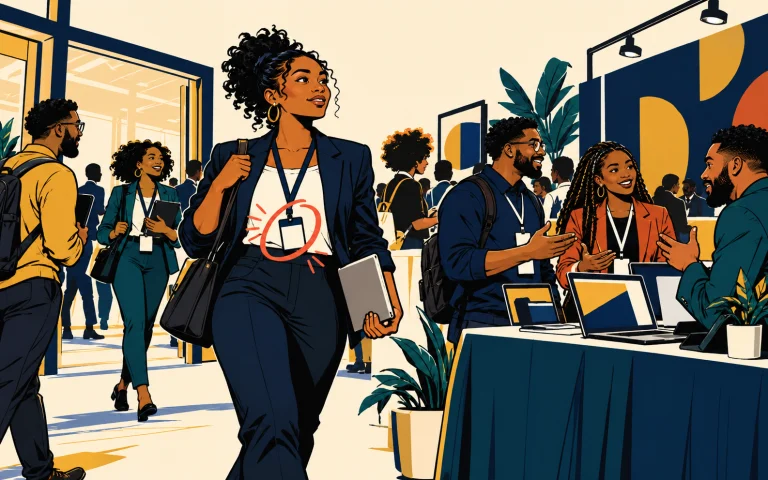
Black unemployment rose to 7% in September as hiring stalled and AI reshaped which jobs exist. Conferences like AfroTech have become one of the few places where access, relationships and new paths are handed out at scale.
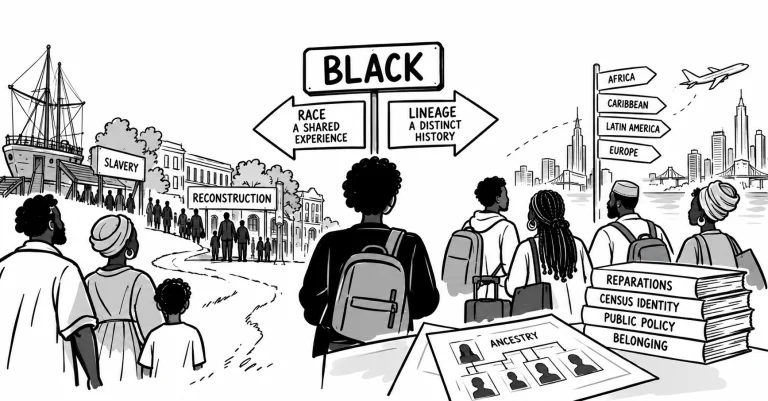
The push to identify descendants of people enslaved in the United States as a distinct Black American lineage is moving from social media into debates over reparations, Census identity and who public policy is intended to repair.
More than 70 million Americans identify as Hispanic. New Pew research shows how census rules, race, skin color and generational change shape who gets counted, and who chooses the label.
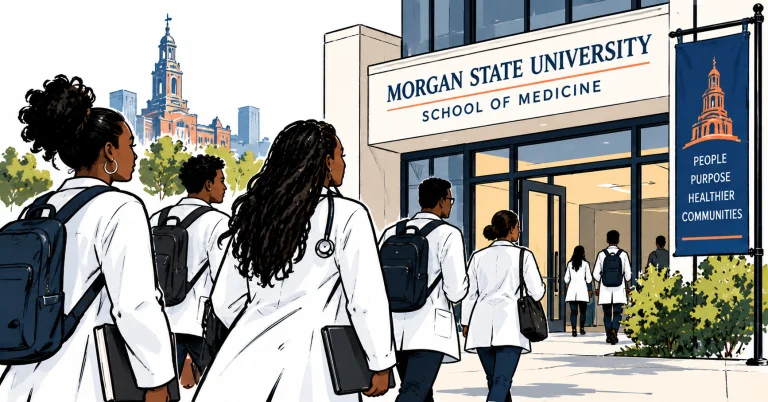
Black physicians make up just 5.3% of the U.S. physician workforce. Morgan State’s proposed medical school puts an HBCU expansion effort inside a much larger fight over who gets trained to provide America’s health care.
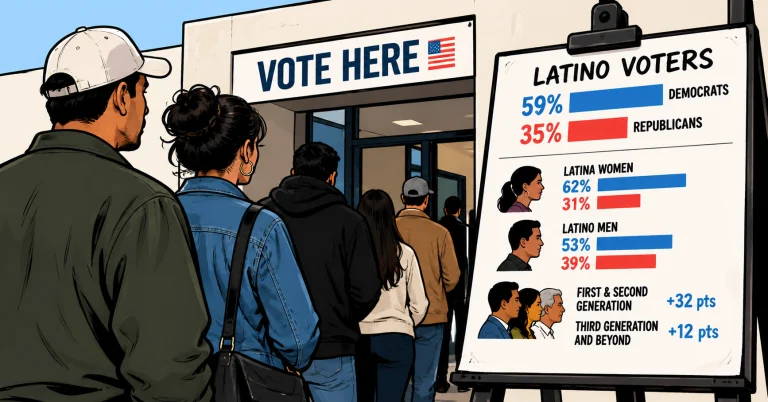
An NBC News/Telemundo poll finds a Democratic advantage among Latino voters, but the differences within that electorate complicate any claim of a permanent political realignment.
The number of Black-owned U.S. businesses with paid employees has crossed 200,000 for the first time, according to Census data analyzed by Brookings, with those firms generating about $249 billion in revenue and employing roughly 1.8 million people. The milestone lands against a labor market where Black unemployment remains persistently higher than the national rate, making business ownership an important counterpoint to the usual employment story. These firms are not just measures of entrepreneurship; they are also employers, payroll generators and local economic anchors in communities where access to stable work can be uneven. The growth suggests that part of the Black labor story is happening outside traditional hiring pipelines, through firms building their own capacity to employ. Aaj, citing Brookings and Census data, details the milestone and the scale of Black-owned employer businesses here.
The actor argued that American convenience has produced less self-sufficient adults. The backlash shows why comparisons between Black Americans and the Black diaspora rarely remain arguments about laundry, childhood chores or individual effort.
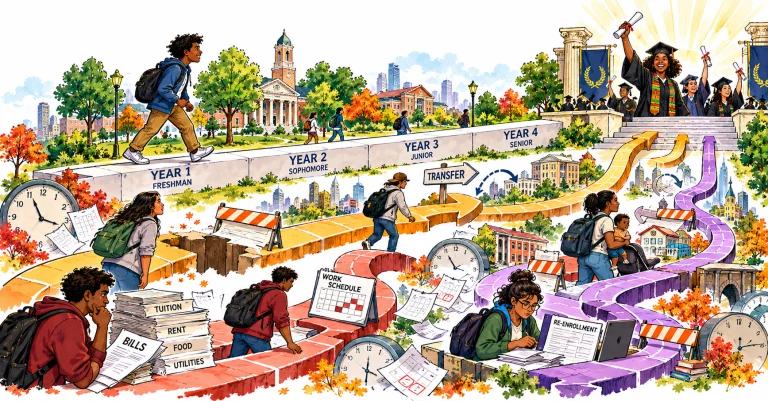
New graduation data shows racial disparities in completion time. A central finding helps explain them: the gaps narrow among students who remain continuously enrolled.