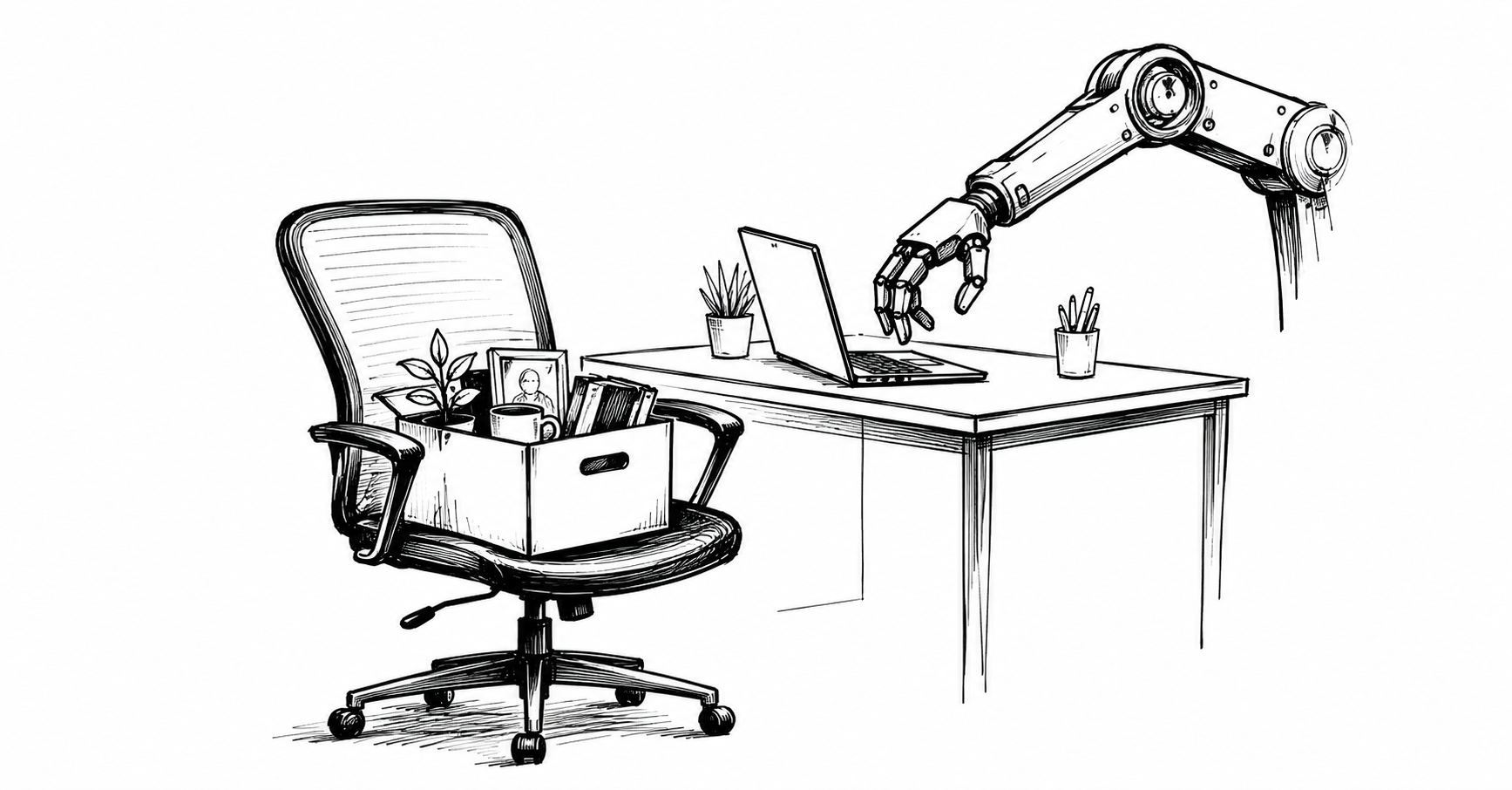
AI Layoffs Have Reached the Office. Watch Who Gets Protected Now.
The automation wave hitting white-collar workers was supposed to start with blue-collar ones. It didn’t wait.
The conventional automation narrative ran like this: first robots take the factory floor, then machines handle warehouse logistics, then, eventually, software gets to the office. The timeline assumed a long buffer for knowledge workers to adapt. It was wrong about the sequence. Rest of World and The Workers Rights documented in June 2026 that AI layoffs are now concentrated in white-collar roles — data processing, content production, templated reporting, and knowledge work that can be broken into repeatable steps. In the tech sector alone, AI-attributed layoffs surpassed 123,000 in 2026. Goldman Sachs estimates AI is reducing U.S. employment by approximately 16,000 jobs per month.
The roles being displaced are not the ones traditionally described as automation risks. They are the ones that looked safe. A National Bureau of Economic Research working paper based on surveys of 750 chief financial officers found that 44% plan some AI-related job cuts in 2026, projecting approximately 502,000 roles across the broader economy — nine times the 55,000 AI-attributed layoffs recorded in 2025. About half of those projected cuts come from white-collar functions: research, compliance, scheduling, templated content, and back-office reporting. McKinsey cut roughly 200 technology and support staff in late 2025, with global managing partner Bob Sternfels signaling more non-client role reductions over the next two years, targeting functions where AI now does in minutes what analyst teams used to bill across weeks.
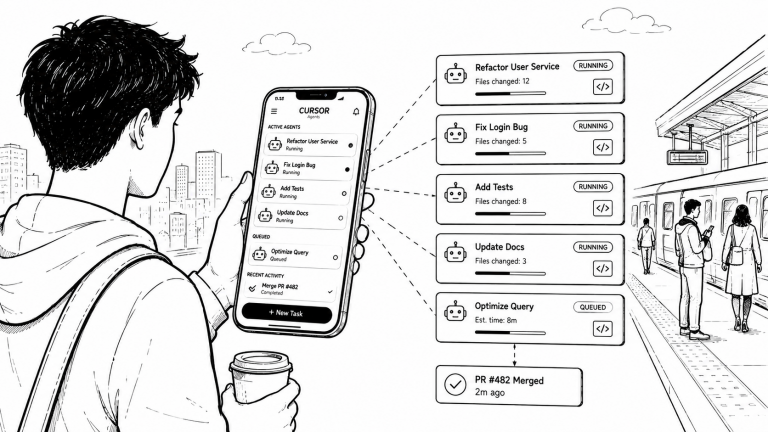
The shift from blue-collar to white-collar displacement is not incidental. It follows the architecture of AI tools. Large language models and agentic AI systems are optimized for language-based, computer-mediated, stepwise work — exactly the work that office environments produce. A factory floor requires physical presence, embodied skill, and real-time adaptation to material conditions. A content brief, a compliance summary, a data entry workflow, or a templated investor update does not. The office digitized knowledge work over thirty years and, in doing so, made it precisely the kind of work AI can replicate at scale.
The protection question is now the central one. Microsoft AI chief Mustafa Suleyman has predicted that office jobs will crumble within 18 months. Anthropic CEO Dario Amodei has said entry-level white-collar jobs could be cut in half in a similar period. Federal Reserve Chair Jerome Powell has acknowledged AI is quietly affecting labor market entry. The workers best positioned to survive this wave are not necessarily the most credentialed ones. A 2026 LinkedIn Economic Graph review found that roughly one in four entry-level consulting and finance postings now require AI fluency — up from fewer than one in twenty two years ago. The premium goes to workers who can supervise AI output, catch its errors, and translate results into decisions. The workers whose entire role was the execution that AI now handles have no obvious transition inside the same job category.
Who gets protected from this transition will be determined largely by who has employer-sponsored reskilling access, union contracts with technology introduction clauses, or roles complex enough that AI augments rather than replaces them. Workers without those protections — contractors, junior staff, workers in administrative and templated content roles at non-union companies — are absorbing the displacement now, in the gap between the automation happening and the policy response that has not yet arrived.