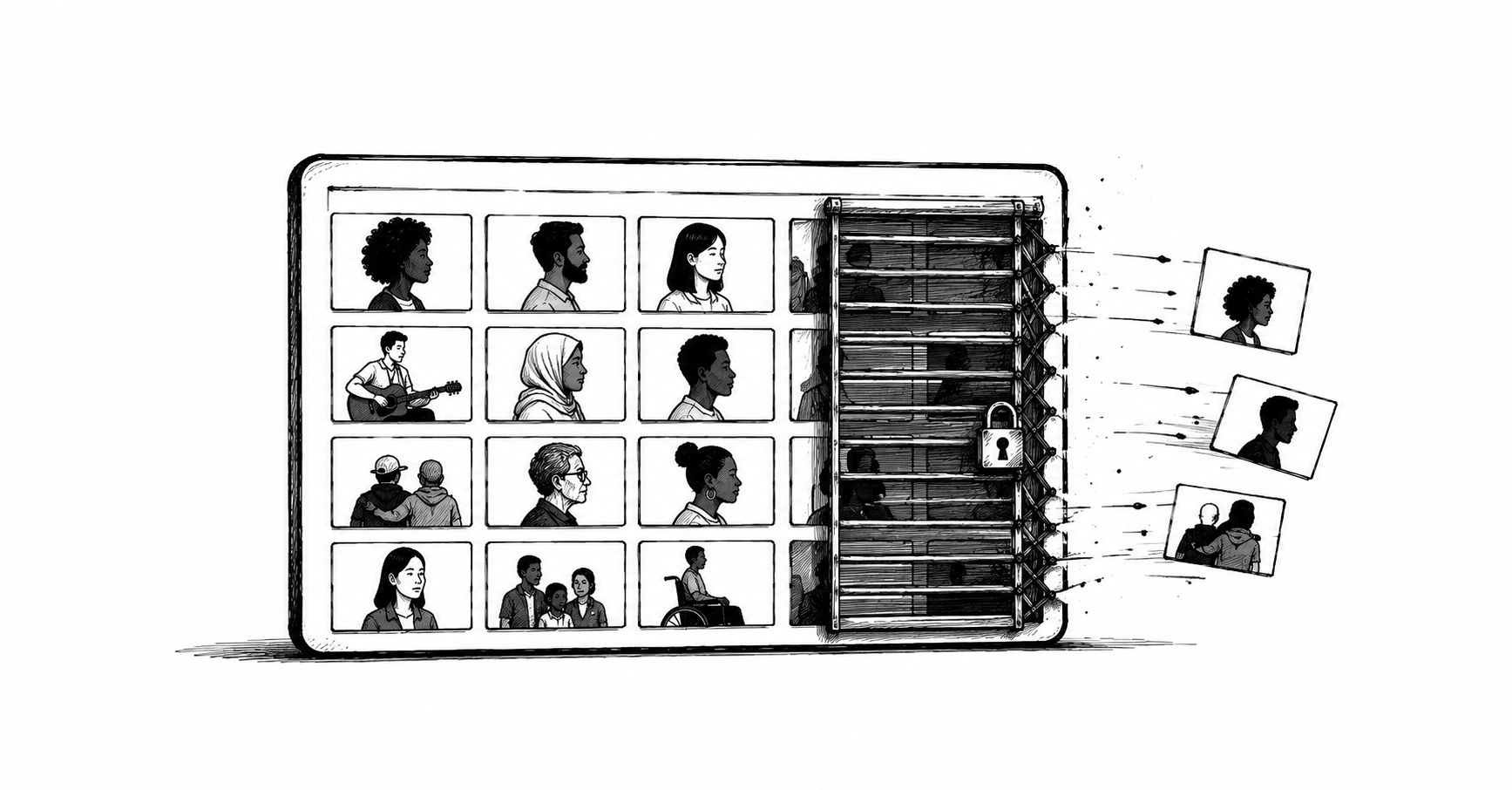
Streaming Was Supposed to Democratize Culture. Instead, It Made Culture More Conditional.
Representation and access both depend on platform priorities — and priorities change.
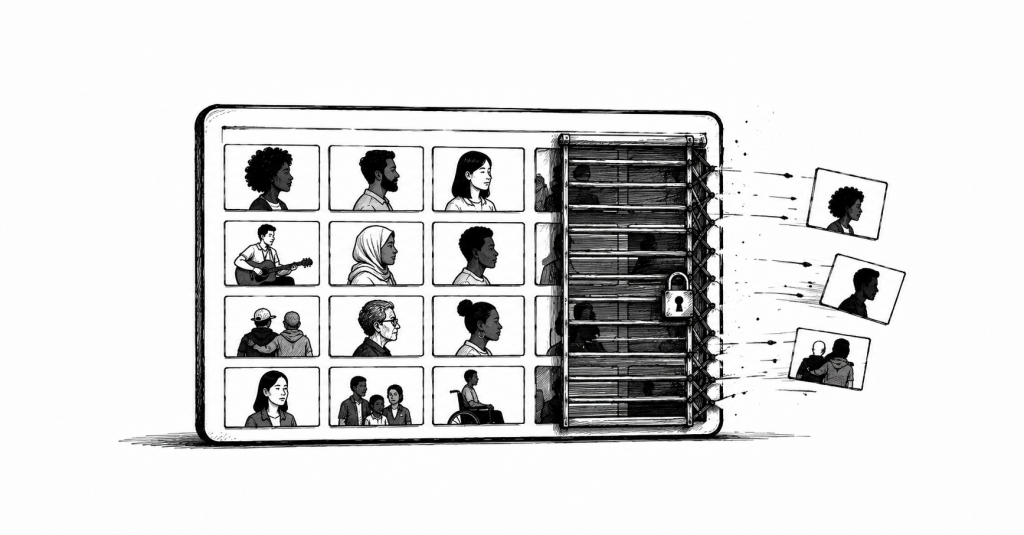
For much of the streaming era, companies sold audiences a vision of abundance. More stories. More voices. More access. Netflix, Hulu, Disney+, and others positioned themselves as alternatives to Hollywood’s old gatekeepers. Algorithms would surface overlooked creators. Libraries would be endless. Representation would expand because distribution bottlenecks had disappeared.
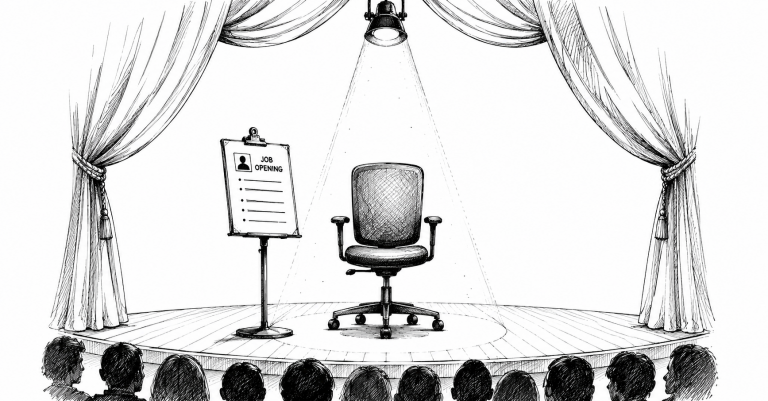
Two recent developments suggest something more conditional was actually built. UCLA’s 2026 Hollywood Diversity Report found representation in streaming films declined sharply across every major category measured in 2025. Lead roles for actors of color fell from 51% in 2024 to 36% — dropping below proportionate representation relative to the 45.2% BIPOC share of the U.S. population for the first time in three years the report has tracked this data. Streaming films directed by people of color fell from 41% to 31.5%. Films directed by women dropped to 23.6%, the lowest figure the report has ever recorded. UCLA’s Ana-Christina Ramón named the shift directly: “After the big numbers we saw for diversity in streaming originals just a couple of years ago, we now see the path closing for people of color and women to premiere their film on a major streamer.”
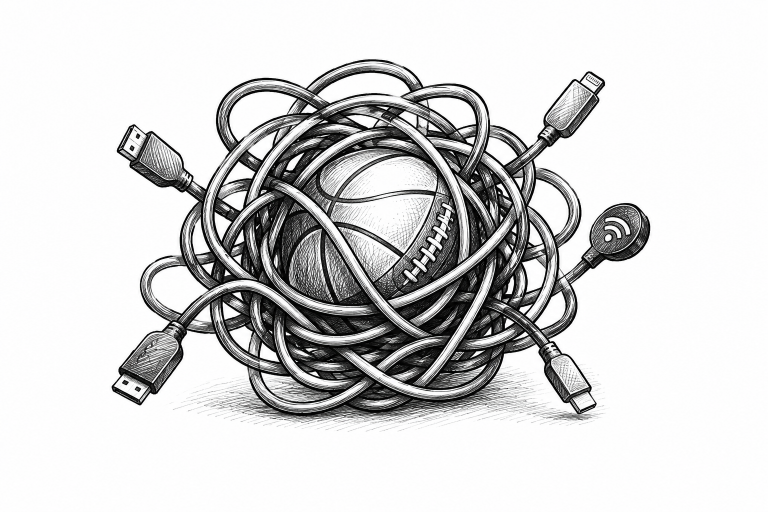
At the same time, fans learned again that a streaming library isn’t a permanent collection, even when a show feels foundational to a platform’s identity. Gilmore Girls, one of Netflix’s longest-running staples since 2014, departed the U.S. version of the service on July 1 after its licensing agreement with Warner Bros. expired — even as Netflix kept the show available internationally and the spinoff revival, A Year in the Life, separately. The show didn’t vanish; it moved to Hulu and Disney+, where it remains streamable. But the move makes a structural point regardless of where the show landed: a “Netflix Original” label didn’t protect the revival from the same licensing clock, and a beloved, long-running title’s presence on any given platform was never permanent — it was a contract with an expiration date that subscribers simply hadn’t been told to watch for.
The two stories appear unrelated. One concerns who gets cast, directed, and greenlit. The other concerns which titles stay available once they’re made. But both point to the same underlying mechanism: streaming platforms replaced the old distribution gatekeepers without replacing the incentive structure those gatekeepers operated under. Broadcast television and movie studios had their own exclusions and failures, but they operated on longer time horizons, with libraries and slates built around different financial logic. Streaming companies are optimized for subscriber growth, engagement, and licensing cost control on a much shorter cycle — which means visibility itself stays conditional on those metrics. Diverse stories remain visible as long as they support a growth narrative platforms are currently telling investors. Legacy shows remain available as long as the licensing economics still pencil out for whoever holds the rights that quarter.
The streaming era expanded access to culture, genuinely, for a window of time. But it also turned culture into inventory, valued and repriced according to the same logic that governs any other catalog asset. Representation gains and library permanence were never structural commitments in the way they were marketed — they were business conditions that happened, for a few years, to align with what platforms were optimizing for. When the optimization target shifts, so does what gets made visible and what gets kept around, regardless of how either was originally framed to audiences who’d been told abundance was the whole point.
— SSC Culture Desk | Social Storytellers Collective
Free, daily structural analysis like this lands in your inbox every weekday morning. Subscribe: https://246481934.hs-sites-na2.com/newsletter