Tuskegee’s Dress Code Is Really a Workforce Policy
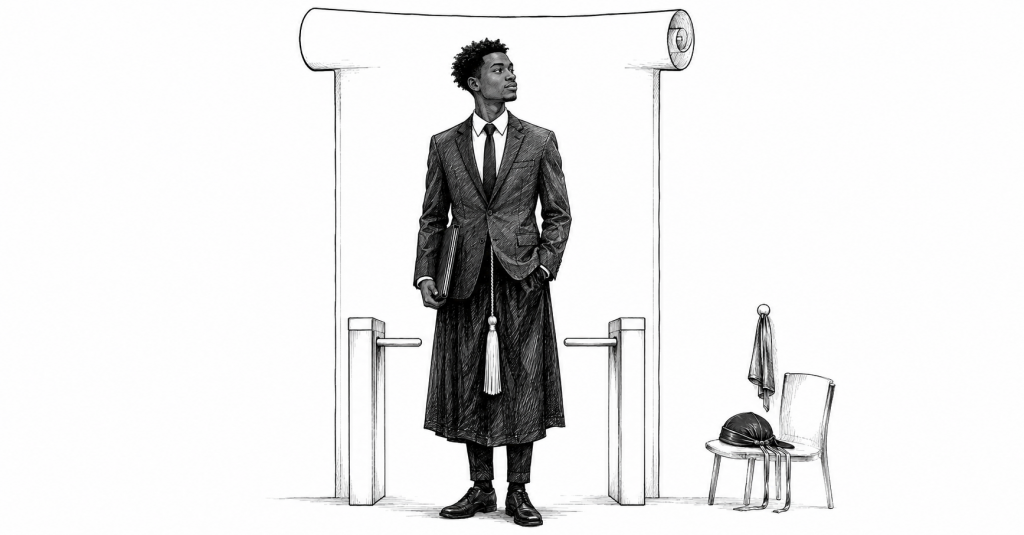
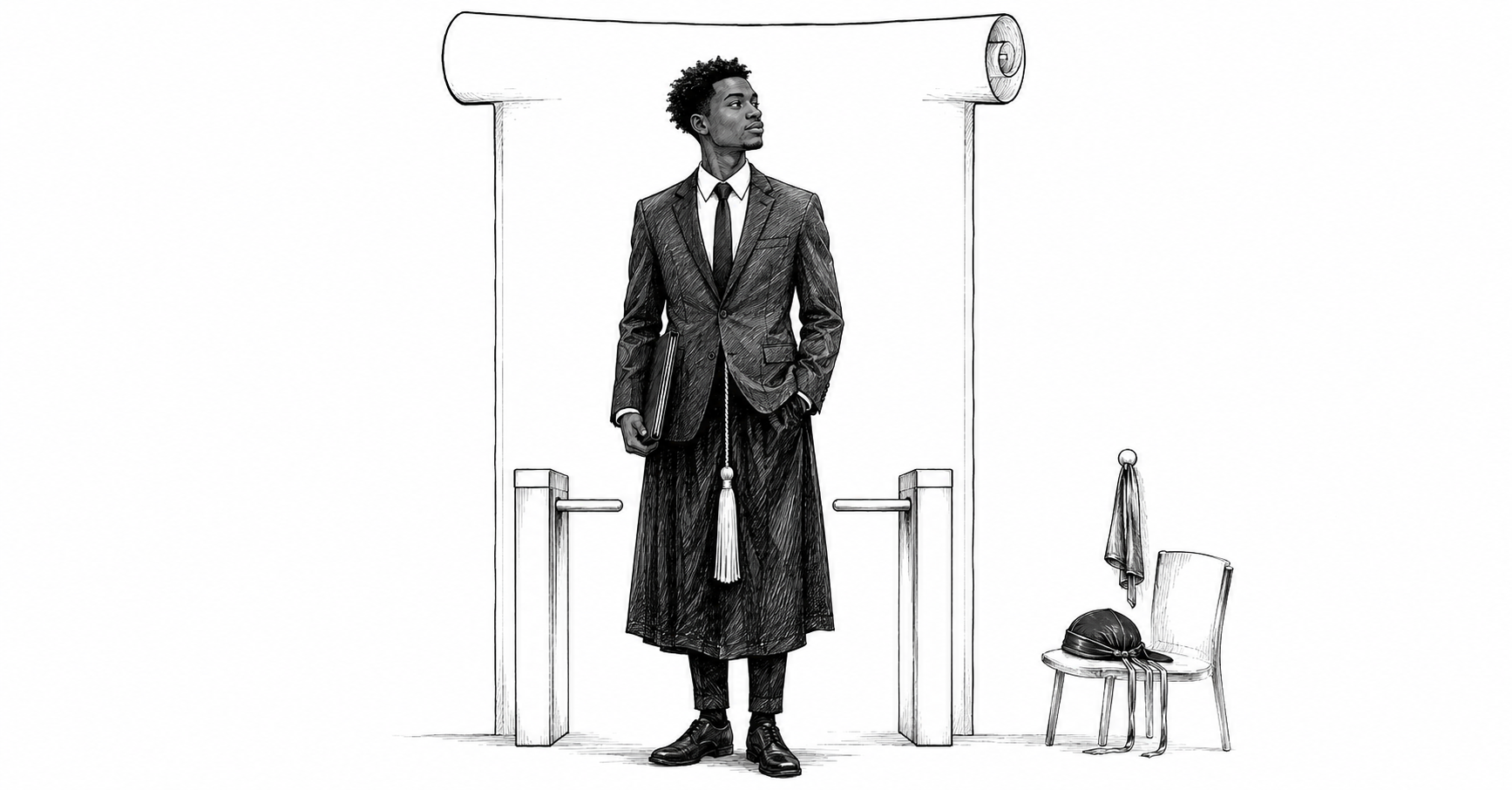
Tuskegee University’s new campus rules are being argued as a dress code fight, but the policy functions as a job-placement instrument, according to reporting by HBCU Gameday. President Dr. Mark A. Brown outlined expectations for incoming students covering attire, classroom attendance, cell phone use, internships, certifications, and résumé development. The university says students should arrive prepared for professional settings, including business suits and appropriate shoes for business meetings and other formal occasions. Revealing clothing will not be permitted in classrooms, dining spaces, or official university settings, and bedroom shoes, bonnets, and do-rags will be prohibited in classrooms and the cafeteria.
The immediate debate is predictable. Some alumni and observers see the policy as a return to standards, discipline, and institutional pride. Others see it as outdated, restrictive, and culturally loaded, especially because items like bonnets and do-rags carry racial, generational, and gendered meaning beyond ordinary dress-code language. The list of banned items is the least consequential part of what Tuskegee has built. The operative move is the bundling of personal presentation, classroom conduct, and career preparation into a single compliance framework, with several components tied to graduation.
Brown framed the changes as preparation for the workforce, writing that the goal is not to restrict students from enjoying the Tuskegee experience but to build a foundation for the careers they will enter after graduation. The framing does specific work. The policy arrives as Tuskegee expands academic programs tied directly to labor-market demand, including cybersecurity, health sciences, nuclear engineering, and sport management, which the university described as part of its commitment to preparing students for high-demand careers and long-term economic mobility. Attire is the visible surface of a professionalization strategy whose enforceable core sits elsewhere.
That core is graduation gating. According to HBCU Gameday, students will no longer be allowed to use phones in class unless directed by the professor, and Tuskegee is requiring students to complete internships, identify professional certifications, and develop résumés before graduation. A clothing rule can be ignored, appealed, or unevenly enforced by individual faculty. A completion requirement sits in the registrar’s system and stops a diploma.
Professional norms are never neutral, and colleges can prepare students for workplaces without reproducing every workplace bias. That tension runs harder at HBCUs, which have historically carried a dual burden: preparing Black students to navigate institutions that may judge them unfairly while affirming the cultural identity those institutions often misread. A rule banning bedroom shoes in class is easy to defend as decorum. A rule banning bonnets and do-rags sits inside a longer argument about respectability, Black expression, and who holds the authority to define professionalism.
Tuskegee’s existing student handbook already contains dress-code language requiring students to dress “in good taste,” prohibiting sleepwear outside residence halls, barring certain headwear for men inside buildings, prohibiting women from wearing baseball caps inside buildings, and requiring men to wear pants at the waist in academic facilities. The handbook also states that any dress distracting from the teaching and learning process will not be permitted. The question is not whether Tuskegee can set standards. It is how standards written in an earlier register get updated, enforced, communicated, and interpreted now.
The enforcement burden falls on faculty and residence life staff who did not write the policy and gain nothing from confrontations over headwear. Dress provisions of this kind tend to decay within two or three semesters as enforcement becomes discretionary and then optional. The graduation requirements will not decay, because they are administered by systems rather than people. Expect the internship and certification mandates, not the clothing list, to become the contested provision once the first cohort reaches its final year without documented placements. Other HBCUs watching Tuskegee will adopt the professionalization architecture and quietly leave the attire language out, because one generates placement data and the other generates headlines.