The Skyline Finally Closes: American Express Breaks Ground on the Last Tower at Ground Zero
Nearly 25 years after the Sept. 11 attacks tore a hole in Lower Manhattan and the nation’s memory, the World Trade Center site is about to be whole again.
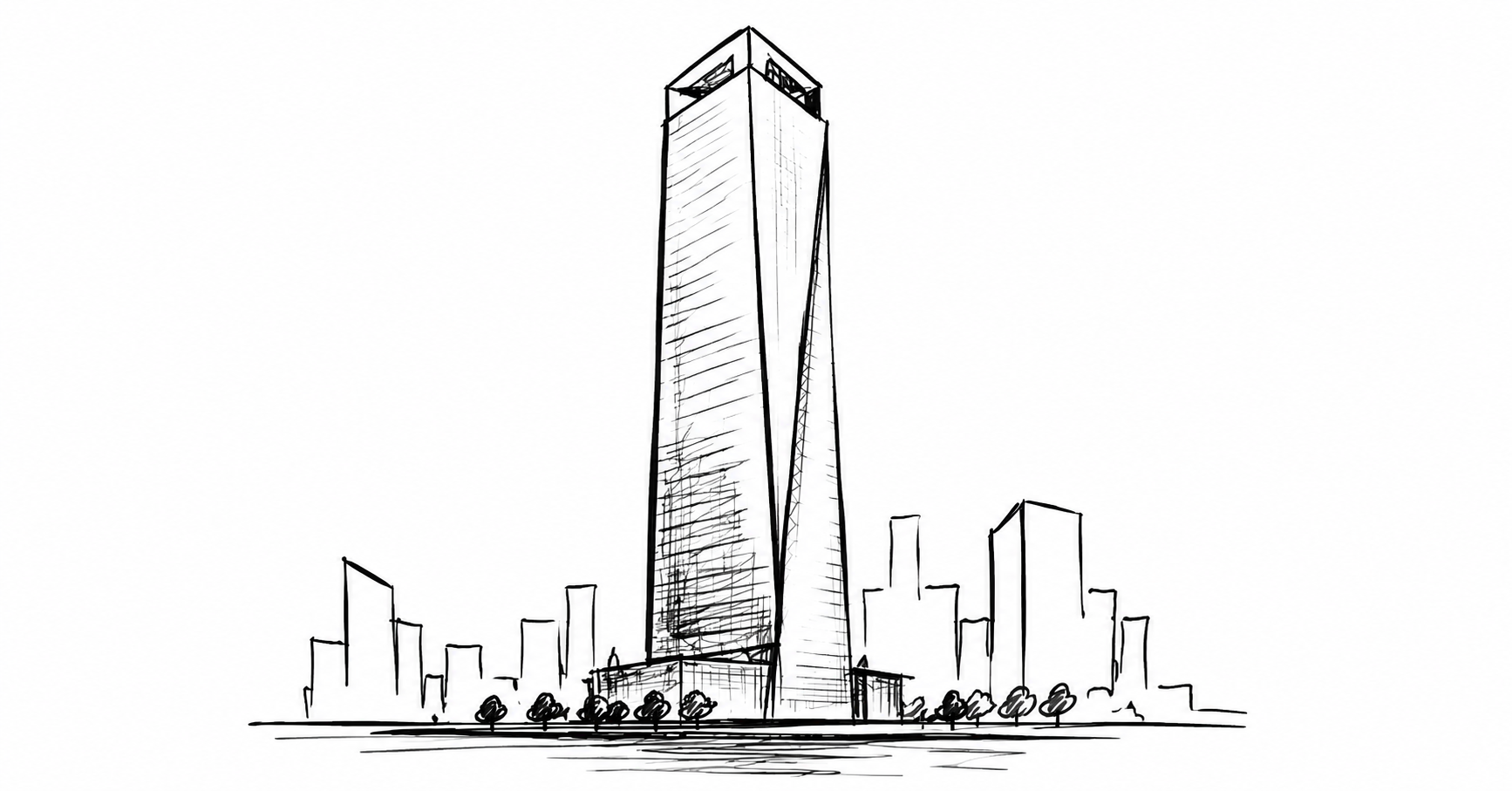
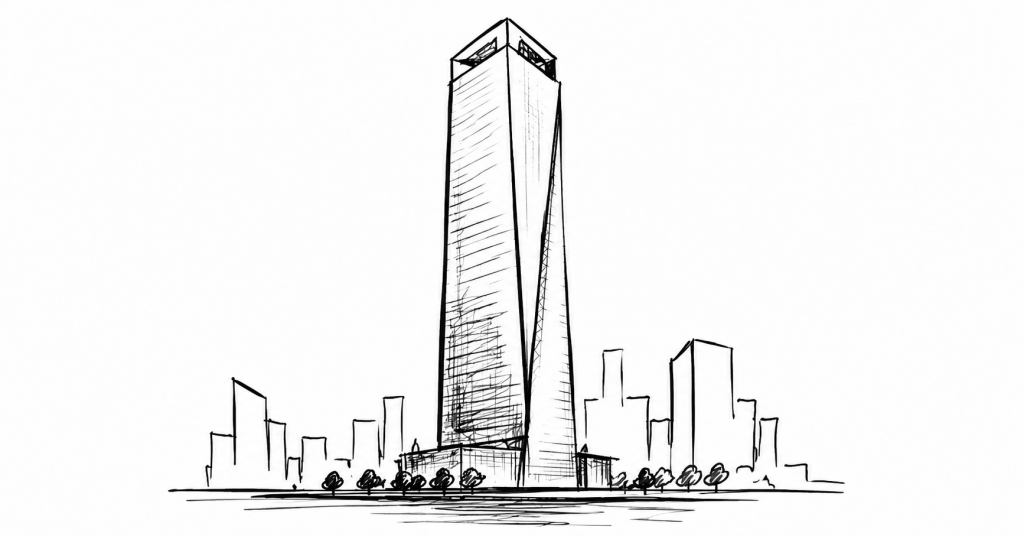
American Express broke ground Thursday on its new global headquarters at 2 World Trade Center, the final commercial tower to rise on the 16-acre campus. The skyscraper is scheduled to be complete in 2031 and rise 1,226 feet—550 feet shorter than 1 World Trade Center directly to the west. Designed by Foster + Partners and developed by Silverstein Properties, the 55-story, roughly 2-million-square-foot tower will hold as many as 10,000 employees and fold in more than an acre of outdoor space spread across landscaped terraces and gardens offering skyline views. American Express, its sole owner and occupant, will be the last major tenant to plant itself inside the original footprint of the complex.
For a generation, this parcel stood for something unfinished—architecturally, but also in the harder-to-name sense of a wound that hadn’t closed. The rebuilding of the site has stretched across more than two decades, slowed by recessions, financing fights, and repeated redesigns. The tower’s own history traces back to 2005, when Foster + Partners first unveiled a design topped by a diamond-shaped crown; a later Fox Corporation deal prompted a complete redesign, and Bjarke Ingels Group unveiled a different vision in 2015. That this ground is finally being turned closes one of the longest and most scrutinized reconstruction efforts in modern American history.
The economics are substantial. Mayor Zohran Mamdani said the project will create 3,200 jobs and inject $6 billion into the city’s economy—a figure that tracks with the developer’s own estimate of roughly $5.9 billion to the City’s economy and $6.3 billion to the New York State economy overall. Notably, the skyscraper isn’t getting state, city or Port Authority financing or incentives, according to a Port Authority spokesperson—a private bet, not a subsidized one.
But the deeper significance isn’t measured in square footage or tax revenue. The final tower is a statement about how cities recover from catastrophe: not by resurrecting what was destroyed, but by deciding what should stand in its place. Ground Zero has been remade from a site defined by absence into one that braids together remembrance, commerce, transit, and public space—the memorial and museum, the transportation hub, the performing arts center, and now the last of the office towers. Denise Pickett, American Express’s President of Enterprise Shared Services, framed the company’s choice to build there in exactly those terms, telling attendees that “when many questioned what the future will hold, American Express chose to stay.”
Twenty-five years after one of the defining events of the century, the skyline is nearly complete. The question was never really whether the site would be rebuilt. It is what the finished skyline will be understood to mean—and whether a place born of loss can come to stand, without asterisk, for what a city chooses to build next.