The Layoff Notice Came from the Government, not the Employer
DHS told companies to terminate workers whose protected status expires this month. The firing is legal, the workers did nothing, and the employer is the enforcement mechanism.
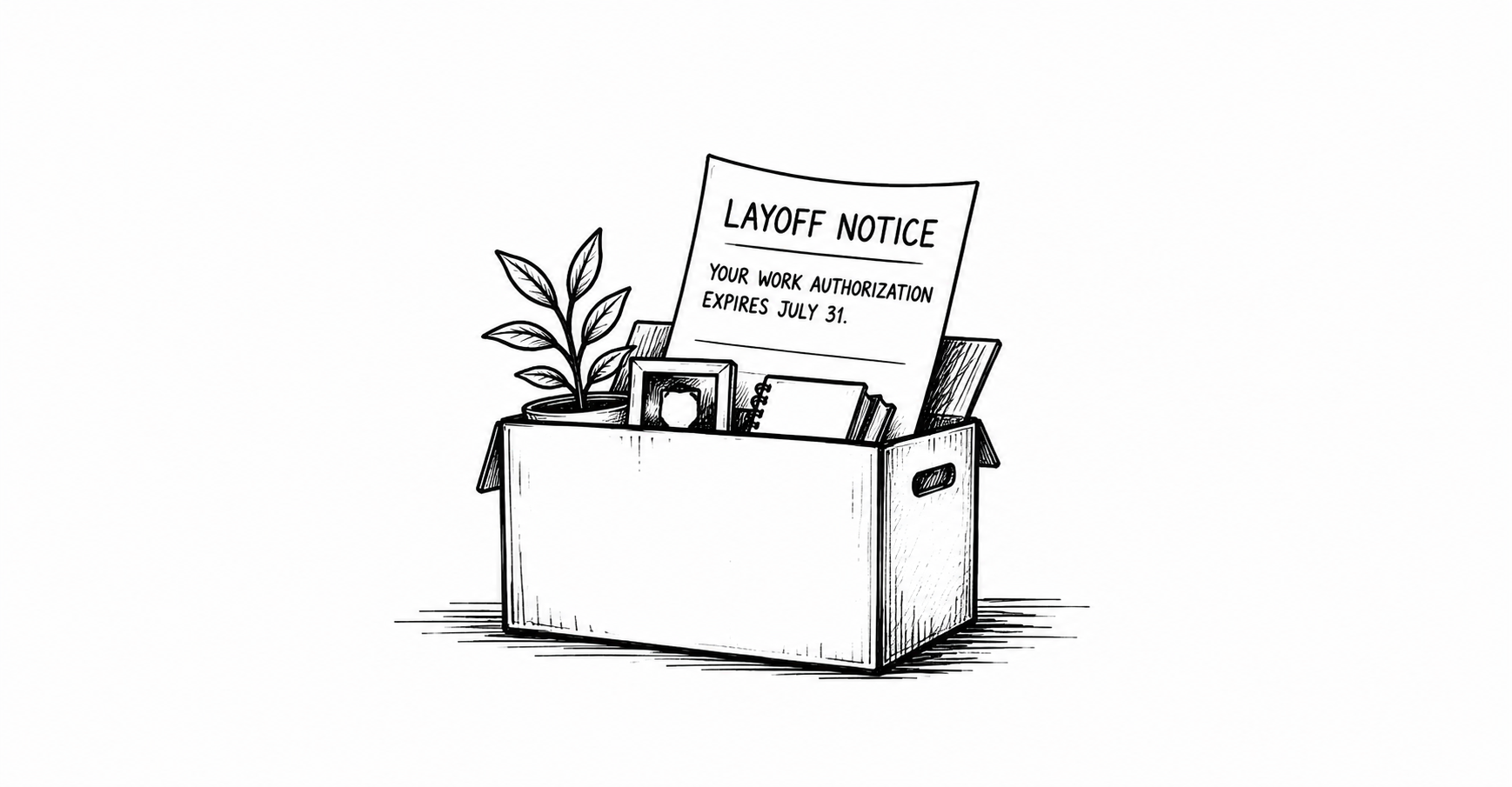
The Department of Homeland Security told employers on Friday to let go of workers whose Temporary Protected Status work permits expire later this month — a group that includes more than 330,000 Haitians, 6,100 Syrians, and roughly 20,000 people from Ethiopia, Myanmar, Somalia, South Sudan, and Yemen, according to reporting compiled by Just Security.
The instruction reads as administrative housekeeping.
Temporary Protected Status is not asylum and not a path to citizenship. It is a work authorization tied to conditions in a worker’s home country, renewed or terminated at the government’s discretion. When the government declines to renew, nothing about the worker changes — not their job performance, not their tenure, not their employer’s need for them. What changes is a date on a document. The termination then arrives through the employer, who faces legal exposure for keeping a worker whose authorization has lapsed.
That design distributes the action in a specific way. The government makes the decision but conducts no layoff. The employer conducts the layoff but made no decision. The worker loses income, and in many cases the legal basis for remaining in the country, through a process in which no one at any point evaluated them. Payroll departments become the last mile of immigration enforcement.
The concentration is not incidental. Haitians account for the overwhelming majority of the affected workers — a population heavily represented in home health care, nursing facilities, food processing, and hospitality, industries already reporting persistent staffing shortages. Employers in those sectors now carry a compliance obligation to remove workers they recruited, trained, and in many cases spent years retaining. The cost lands three times: on the worker who loses the job, on the employer who loses the labor, and on the customers — patients, in the case of health care — who lose the service.
The precision of the July deadline sits against the imprecision of what follows. Workers with expiring permits do not exit the labor force in an orderly way. Some leave the country. Some remain and move into informal work, where the same labor continues at lower wages with no protections. The jobs do not disappear; the rights attached to them do.
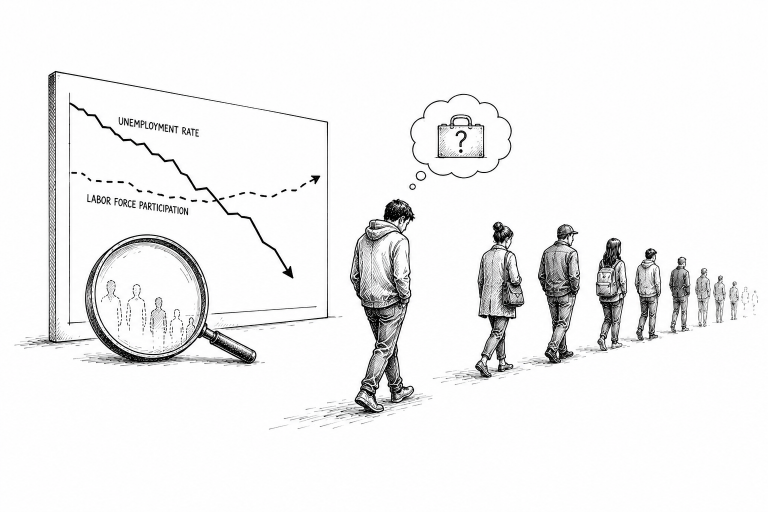
What DHS issued last week was not framed as an economic policy. It will function as one. Several hundred thousand legal workers will exit formal employment in the same month, concentrated in a handful of low-margin industries, through terminations no employer chose and no worker earned. The unemployment data will eventually register some version of this. The mechanism that produced it will not appear in any jobs report.