Google has contracted for 3,590 megawatts of power from Constellation Energy, the country's largest nuclear operator, with about a quarter of that coming from new nuclear capacity. The centerpiece is a 20-year agreement for 890 megawatts of new output created by upgrading 11 existing Constellation reactors in Illinois, Pennsylvania and New Jersey, which enables more than $4.3 billion in new investment, Reuters reported. That added capacity, roughly the output of one new reactor, reaches the PJM grid in phases from 2028 through 2032, according to Axios.
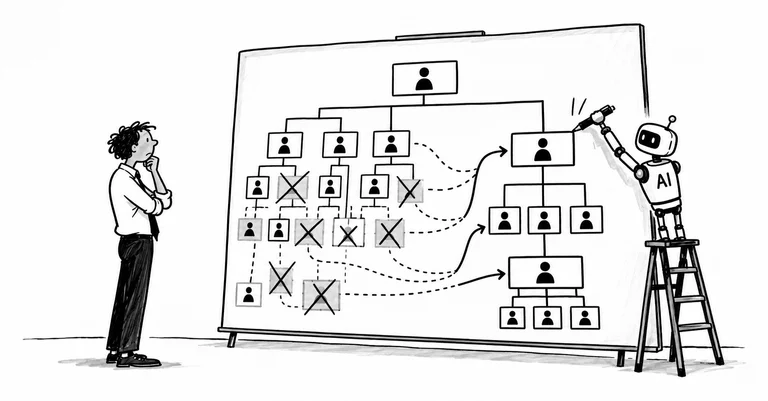
The next phase of AI-driven workforce change may be less about machines doing individual jobs and more about companies deciding they need different organizations altogether.
Georgia Power and Alabama Power account information was accessed through an online portal, exposing the personal-data obligations behind essential household services.
Small creators, AI chatbots and livestreams are reshaping how people decide what to buy. The same shift is making it harder to tell who is actually being honest with you.
As AI companies build tools that guide students instead of handing them answers, schools face a harder test: whether better work on the screen translates into stronger skills after the chatbot closes.
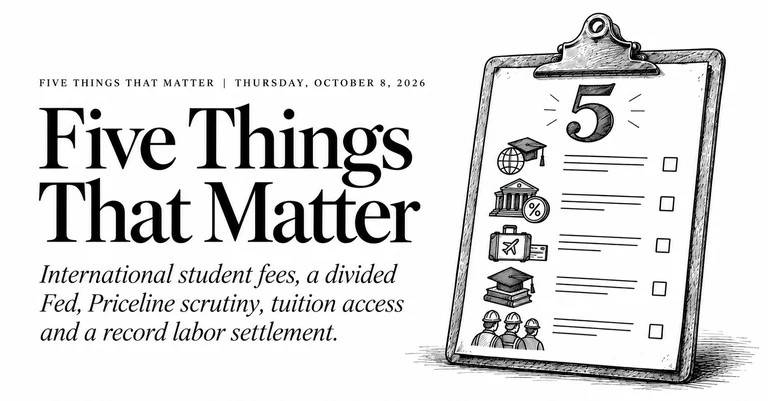
1. The administration wants colleges to pay $70,000 for each international student who enters a U.S. work program. The Department of Homeland Security proposed a $70,000 fee for every new international student entering Optional Practical Training, the program that allows students to work in jobs connected to their degrees during or after college. Schools—not students—would be responsible for the initial fee, with another $30,000 required for each renewal. STEM graduates can currently remain in OPT for as long as three years, making the program an important bridge between U.S. universities and employers looking for technical talent. The proposal arrives as colleges are already reporting pressure on international enrollment: the number of new students entering the United States fell 17% last fall, and some institutions are reporting declines of 30% to 40% this year. DHS describes OPT as vulnerable to fraud and as a source of cheaper foreign labor, while higher-education groups argue that the program helps the United States retain workers it has already educated. The proposal now enters a 60-day public-comment period, and legal challenges are likely if it is finalized. For colleges, this turns another immigration policy fight into a budget question: access to post-graduate work could increasingly depend on whether an institution can afford to subsidize it. AP News Read the AP report
The World Bank sees affordable, locally adapted AI as a route to higher productivity. Whether families benefit depends on who can use the tools—and who keeps the value they create.
Completed foreclosures jumped in August, led by Texas. Foreclosure levels are still far below the housing crash, but the number of borrowers seriously behind on their mortgages keeps rising.
Layoffs.fyi has recorded 131,382 tech layoffs in 2026 so far. Recent months show a slower pace, but the tracker cannot tell us whether displaced workers are finding their way back.