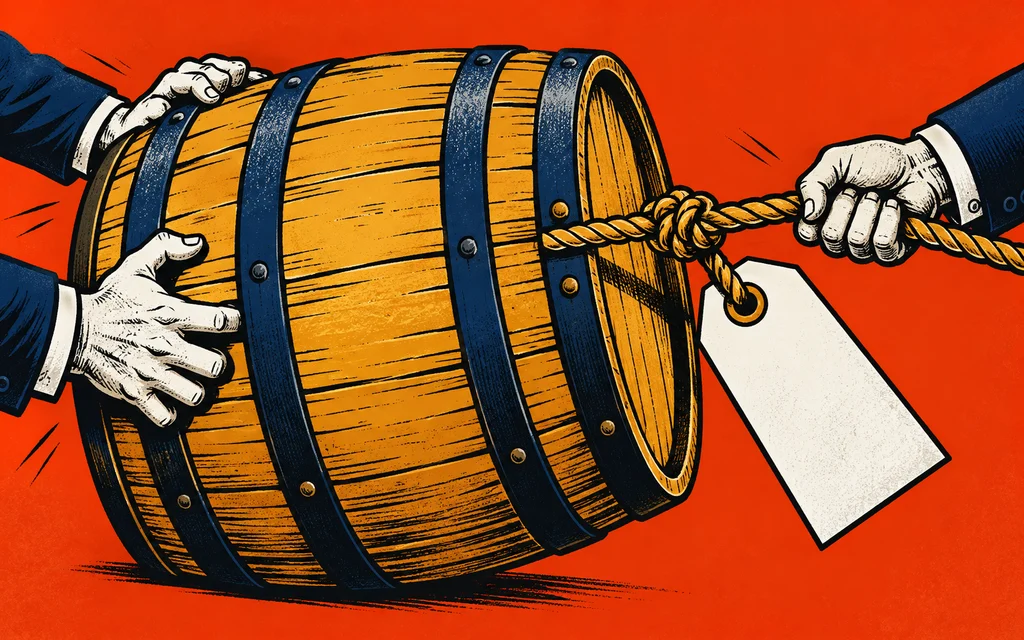
Three potential buyers are now circling the whiskey brand after an earlier deal collapsed. The receiver plans to use Chapter 11 to sell the assets without carrying over the company’s existing liabilities.
Uncle Nearest may finally be approaching a sale, but the path there is becoming more complicated.
Court-appointed receiver Phillip G. Young Jr. said in a recent filing that he is in discussions with three unnamed parties interested in buying the whiskey company’s assets. No agreement has been signed, but Young told the court that a deal is close and that the company is insolvent. The plan is to use a Chapter 11 bankruptcy process to complete the sale, allowing a buyer to acquire the operating assets without assuming the company’s existing liabilities.
The assets include the Nearest Green Distillery in Shelbyville, Tennessee, which sits on more than 400 acres, along with its equipment. The company’s French vineyards have also been sold, pending government approval, while its chateau in Cognac remains unsold.
The first deal never closed
This is not the first time Uncle Nearest appeared to be close to a buyer.
Earlier this year, Young entered into a nonbinding letter of intent with a confidential investment firm described in court filings as having African American ownership and leadership. The buyer was widely speculated to be MarcyPen Capital Partners, but the deal never closed. The original exclusivity period expired, and the receiver then began discussions with other interested parties.
That failed transaction adds another layer to an already prolonged restructuring. Uncle Nearest has spent much of the past year operating under receivership while the court and receiver worked through debt, ownership disputes and questions surrounding the company’s financial condition.
The founders say they have been shut out
Co-founders Fawn and Keith Weaver are opposing the process and have indicated they will challenge any sale.
Their attorney, Curtis Johnson Jr., told Inc. that the founders believe they have been excluded from the sale process and described the receivership as lacking transparency. The Weavers have argued that the case began as a dispute over debt owed to Farm Credit Mid-America and has evolved into a broader fight over control of the company.
The couple has been fighting the receivership since it was imposed. Fawn Weaver previously attempted to place the company into bankruptcy herself, but a judge rejected the filing after finding she was not authorized to do so. The receiver later removed both founders from company leadership.
A sale would not end the scrutiny
The possible transaction is unfolding while Uncle Nearest remains under multiple forms of investigation.
Court filings have disclosed that the receiver is responding to subpoenas from the Securities and Exchange Commission and the U.S. Attorney’s Office for the Southern District of New York. The scope of those federal inquiries has not been publicly detailed. Young is also conducting a forensic review of the company’s financial history.
Separate financial disputes have surfaced around related businesses as well. In September, a federal bankruptcy judge ordered Humble Baron, the restaurant and entertainment venue located at the Nearest Green Distillery, into Chapter 7 and placed it under trustee oversight after disputes involving transfers of company funds. Humble Baron is legally separate from Uncle Nearest, but Keith Weaver owns the entity, adding another layer of financial and legal complexity around businesses connected to the distillery.
The real question is what survives the sale
The immediate question is whether one of the three current bidders reaches a deal. The larger question is what remains of Uncle Nearest after the transaction is completed.
A Chapter 11 sale can preserve the brand, the distillery and its operating assets while separating them from liabilities that helped push the company into distress. But it can also permanently separate a company from the founders who built it and from the ownership structure that once defined its identity.
That tension is particularly significant for Uncle Nearest. The brand built much of its reputation around the history of Nathan “Nearest” Green and around Fawn Weaver’s effort to elevate a largely overlooked Black figure in American whiskey history. A new owner may preserve that commercial identity, but the governance, financing and control of the company could look very different.
For now, Uncle Nearest is no longer simply trying to survive its financial crisis. It is approaching the point where control of the brand itself may change hands.