Continuing jobless claims rise, the White House replaces its cyber chief, Iowa delays a controversial explosives detonation, Reuters journalists authorize a strike, and the Trump-Xi-Putin summit delivers a declaration without an arms deal.
A Joint Center report finds Black rural workers curious about AI but wary of the land deals, water use and missing jobs that come with it. Its answer is a legally binding contract.
Latinos made up nearly half of Chicago’s new HIV cases in 2024. As federal money thins and fear of ICE keeps people away from clinics, community groups are bringing testing to where people already are.
Donald Trump says people stockpiling food and water should calm down because the failures are “individual events.” Reassurance is filling the space where an explanation should be.
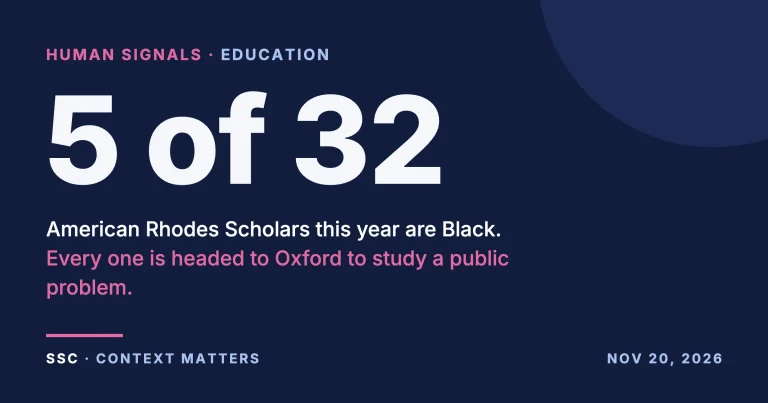
Five of this year's 32 American Rhodes Scholars are Black. Their plans, from maternal health to labor to domestic violence law, are aimed squarely at public problems.
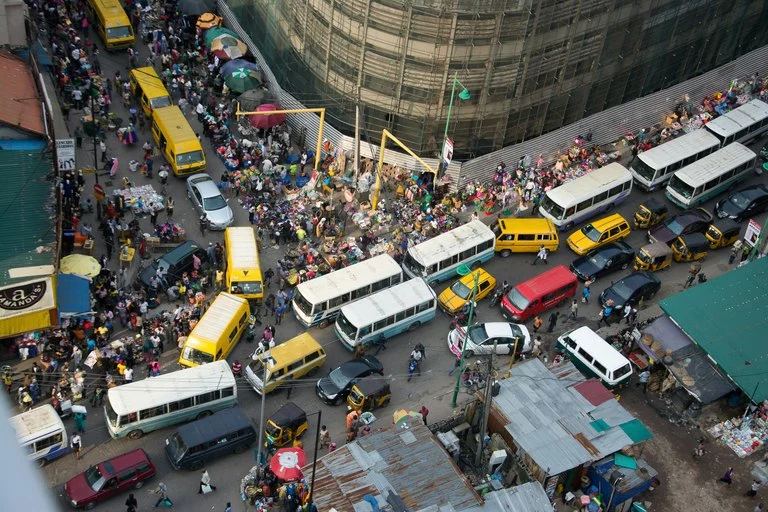
The government frames its 2027 recruitment restrictions as workforce planning and fiscal discipline. For Nigerians looking for stable work, the policy raises a harder question: where are the jobs supposed to come from?
Companies are hiring former reporters to cut through AI slop and show up in AI search. The reporters trying to make the jump say the door is narrower than the trend pieces suggest.
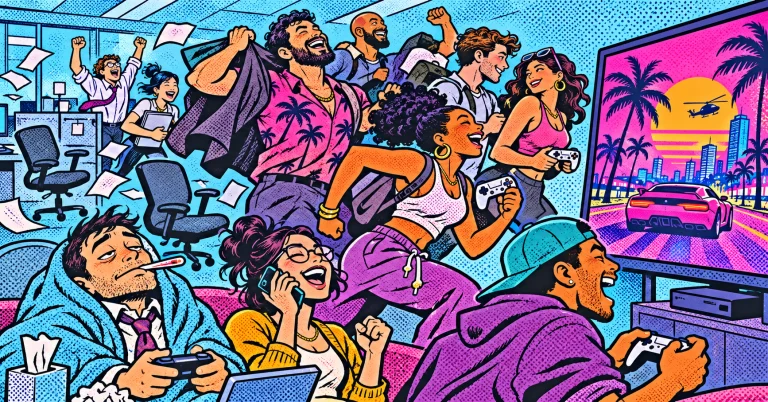
A video game launch is showing up in national time-off data. The more revealing number is how many people planned to call in sick instead of asking for the day.
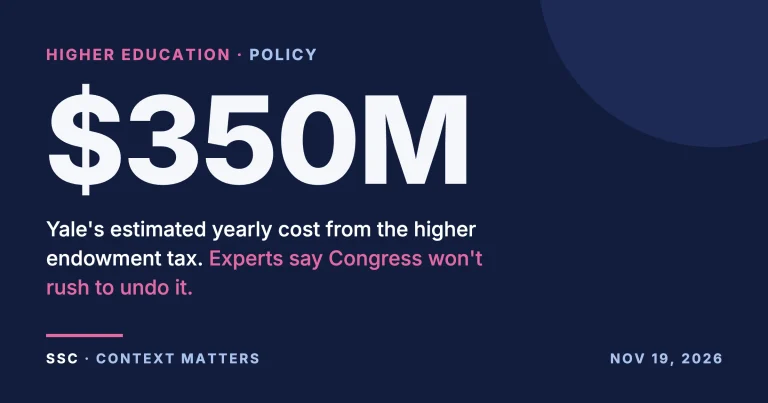
Democrats take Congress in January, but experts say universities shouldn't expect relief from Donald Trump's pressure. Higher education is unpopular, and Democrats ran on affordability.
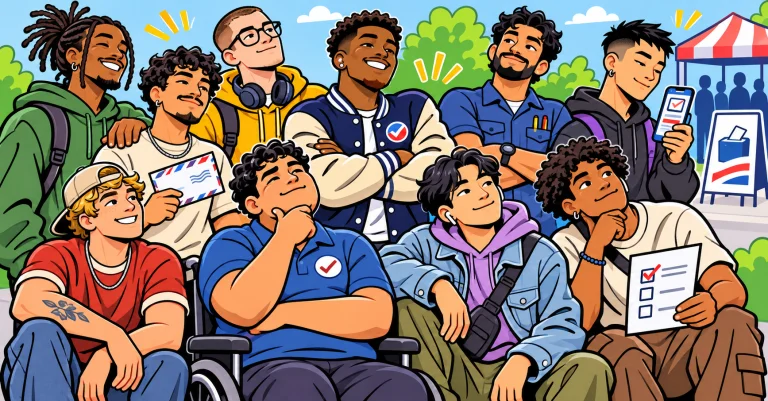
Men under 30 backed Democratic House candidates 59% to 37%, two years after favoring Donald Trump. The data points to economic pressure, not a new political identity.