
The government frames its 2027 recruitment restrictions as workforce planning and fiscal discipline. For Nigerians looking for stable work, the policy raises a harder question: where are the jobs supposed to come from?
Every year, about 3.5 million Nigerians enter the labor force, according to the World Bank. For many of them, a federal government job is a path to steady income, professional growth and economic security. That path is about to get narrower, and the first deadline arrives Friday, when federal agencies must submit their staff records or risk losing their approved staffing levels and budget provisions.
A November 9 circular from Nigeria’s Office of the Head of the Civil Service of the Federation told ministries, departments and agencies to keep their staffing at current levels for the 2027 fiscal year. Agencies that want more workers must justify the request and show the money is there to pay them.
The directive is not a total hiring ban. It raises the bar for adding anyone to the federal payroll, which gives the government tighter control over personnel spending.
The budget sees savings. Job seekers see fewer doors.
President Bola Tinubu’s administration says the restrictions will improve workforce planning, consolidate public-service reforms and stop unauthorized hiring. The circular specifically warns agencies against creating unauthorized vacancies, especially in senior positions.
The policy has drawn fire from the presidential campaign of Oyo State Governor Seyi Makinde. The campaign says the freeze contradicts the government’s promises on job creation and warns it could be a precursor to wider cuts in the public service. The criticism lands ahead of Nigeria’s 2027 presidential election, but the economic tension goes well beyond electoral politics.
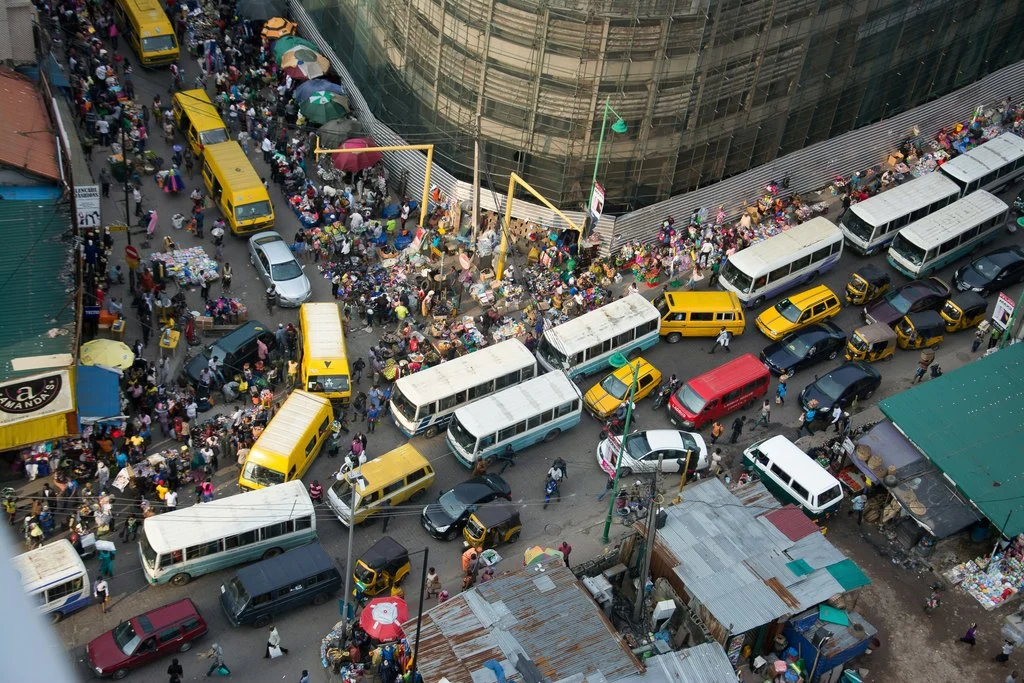
Nigeria can’t rely on government hiring to absorb millions of new workers, and its formal job market is already thin. National Bureau of Statistics and World Bank data show that 93% of Nigerian workers are in informal employment, and 86% are self-employed. Restricting public employment without expanding real private-sector opportunities risks squeezing that small pool of stable jobs even further, in an economy where workers earning $52 a month are still waiting to feel the recovery.
The consequences may not show up right away in federal budget documents. They’ll show up when graduates put off entering their professions, when qualified applicants take jobs below their skills, and when households lose a potential source of reliable income. SSC has already reported that in Nigeria, a degree changes the odds of poverty but guarantees nothing, and a hiring freeze removes one of the few dependable landing spots for the people who earned one.
A hiring freeze is an employment policy, not just a budget decision. Nigeria’s challenge is figuring out whether controlling the government payroll can coexist with creating enough opportunity for the generation now entering the workforce.