Retirement Is Becoming an AI Story
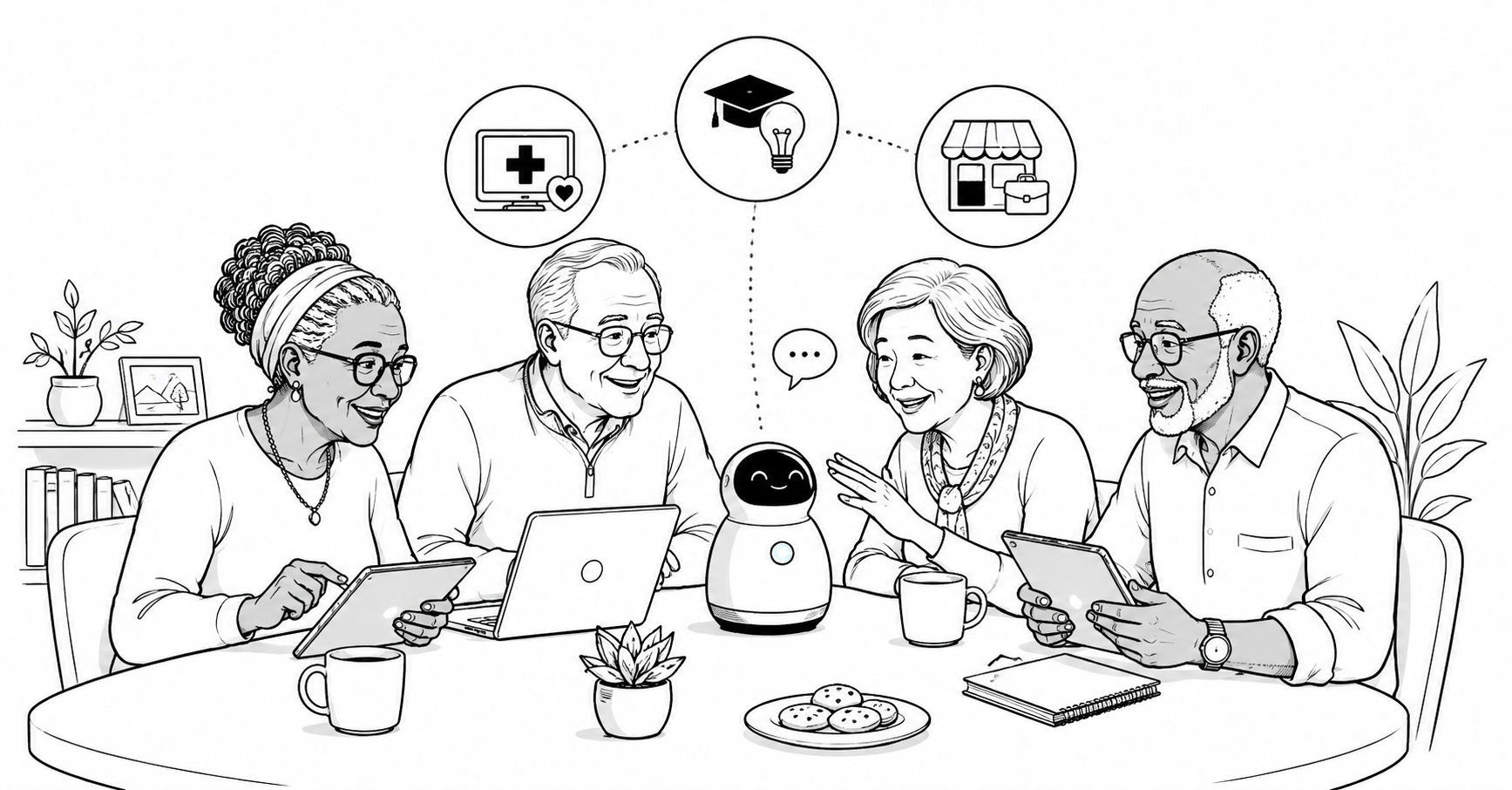
Baby boomers are not stepping away from technology. They are using artificial intelligence to redesign what life after work looks like.
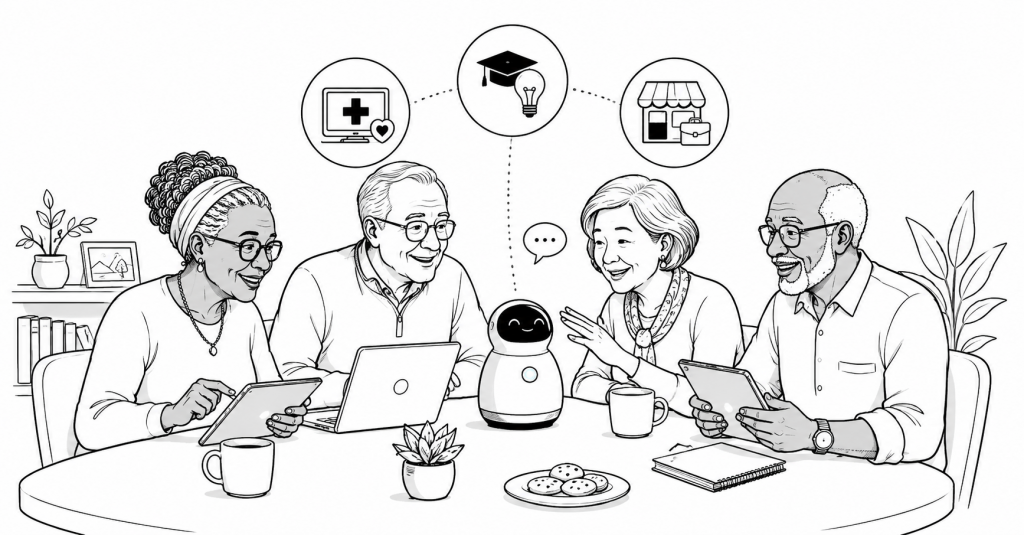
For decades, retirement was marketed as a period of withdrawal. The image was familiar: golf courses, cruises, hobbies, and finally disconnecting after a lifetime of work. But a growing number of baby boomers are approaching retirement differently. Instead of unplugging, they are logging in.
Business Insider recently profiled retirees and older workers who are embracing artificial intelligence as part of everyday life. Some are using ChatGPT to support medical decisions, others are building businesses, learning new skills, or teaching AI literacy to their peers. Retirement communities are hosting AI classes. Expat communities abroad are swapping conversations about gardening for discussions about prompting and software tools. For many older adults, staying current has become a retirement activity in itself.
The shift challenges a common assumption that younger generations are naturally better positioned to benefit from AI. As financial services executive Karen Alexander observed on LinkedIn, AI is too new for anyone to be truly “native.” Mainstream generative AI has only existed for a few years. What matters is less about age and more about curiosity. The competitive advantage belongs to people willing to experiment.
This is important because many baby boomers are confronting a retirement landscape very different from the one previous generations imagined. Longer life expectancy, rising healthcare costs, and economic uncertainty have made retirement less about stopping work and more about redesigning it. AI tools offer something valuable in that environment: leverage. They can help older workers extend careers, launch side businesses, relocate abroad, or maintain a sense of independence that traditional retirement models did not anticipate.
The technology is also filling social and emotional roles. Some retirees described companion robots, AI assistants, and digital communities becoming part of their daily routines. Others admitted concerns about overreliance, misinformation, and spending too much time in front of screens. The same tools that offer connection can create isolation. The tension reflects a broader challenge facing every generation, not just older adults: how to use technology without allowing it to replace human agency.
Previous generations built retirement around pensions, savings accounts, and leisure. Today’s retirees are increasingly building it around platforms, devices, and AI systems that help manage information, health, work, and connection. The meaning of aging is changing alongside the meaning of work.
If Generation Z is the first generation to grow up online, baby boomers may become the first generation to retire online. That shift suggests AI is not simply a technology story. It is becoming a life-stage story. And the future of retirement may look less like stepping away from the world and more like learning how to navigate it with new tools.