New Citizens Are Entering America at the Same Moment Citizenship Feels Less Secure
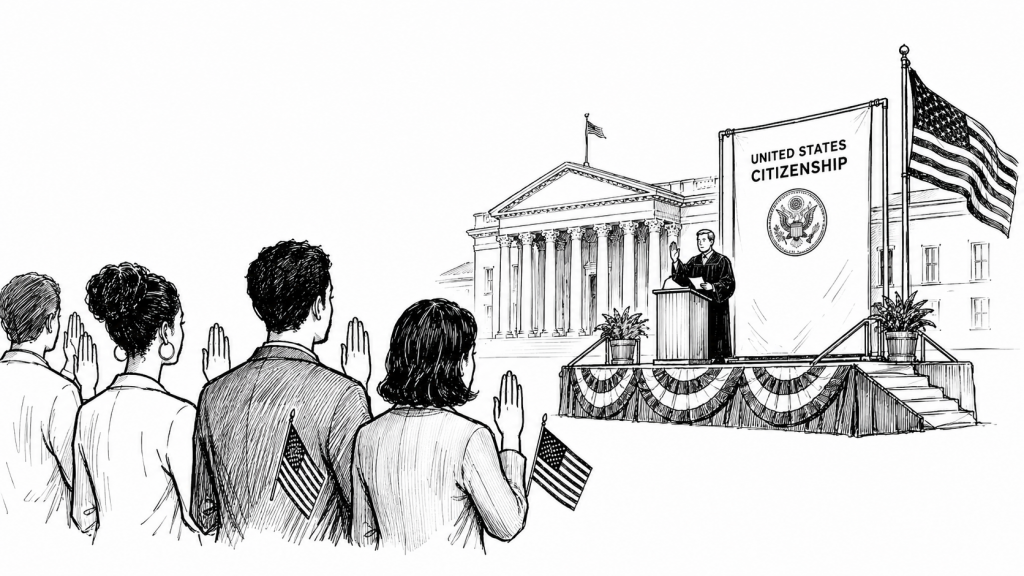
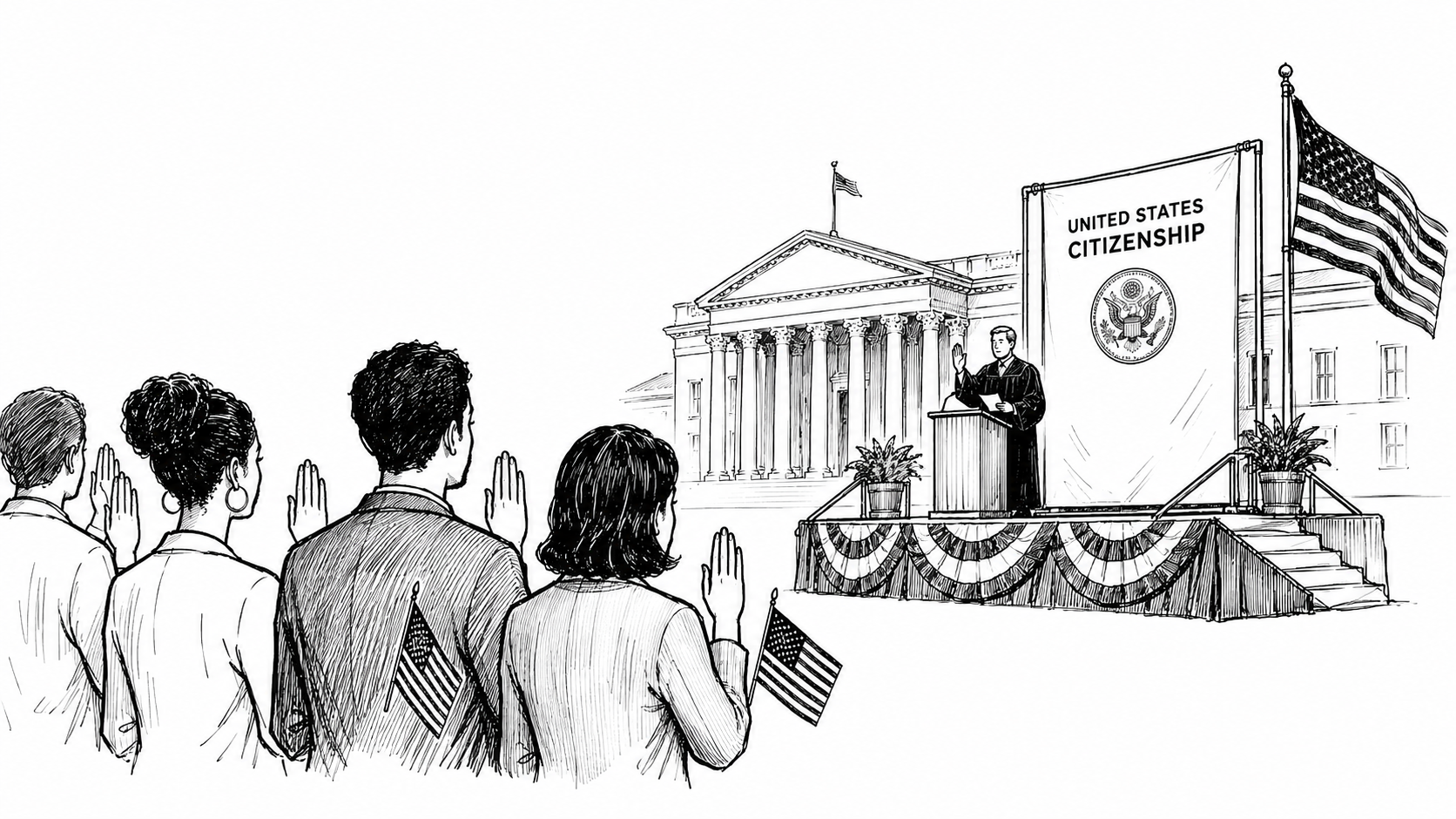
Naturalization ceremonies ran across the country on July 4th weekend, as they do every year, with thousands of people taking the oath of citizenship in federal courthouses, convention centers, and national parks. In the 250th anniversary year, with America 250 events scheduled across the country, the ceremonies carried additional symbolic weight. The Guardian reported on the experience of new citizens navigating that moment — describing a combination of genuine pride in completing the naturalization process and unease about the political environment into which their citizenship arrives.
The unease has specific causes. Naturalization costs have increased. The civics test has been revised to include more questions and a higher passing threshold. Processing times, which had shortened after pandemic-era backlogs cleared, have extended again under the current administration’s reduced staffing at U.S. Citizenship and Immigration Services. And the immigration enforcement environment of 2026 — mass deportations, birthright citizenship litigation, expanded detention, the public visibility of enforcement operations in communities — has created a backdrop against which citizenship itself feels less like a settled conclusion and more like a threshold that requires ongoing defense.
The mechanism producing that feeling is not simply political rhetoric. It is the accumulation of policy decisions that have raised the cost and extended the timeline of naturalization while simultaneously making the legal landscape around immigration status more volatile. A person who filed for naturalization three years ago has waited longer than they were told to expect, paid more than they were quoted, prepared for a harder test, and watched the country’s relationship to immigration enforcement shift in ways that affect their community even if not their individual legal status. Arriving at the oath ceremony is a real achievement. It is also an arrival into an environment that several of the new citizens in the Guardian’s reporting described as anxious rather than settled.
The 250th anniversary framing makes the tension visible in a particular way. America 250 has been organized around themes of national continuity and democratic resilience. The naturalization ceremony is, structurally, the most explicit performance of that continuity: a person choosing, at cost and over time, to become American. The civic ideal embedded in the ceremony and the policy conditions surrounding it are running in opposite directions. The ceremony says the door is open and the process is the point. The policy environment says the door is narrower than it was, the process is longer and more expensive, and the status conferred is more contested at the political level than it has been in recent memory.
What new citizens are navigating is a gap between citizenship as a legal status — the oath, the certificate, the passport — and citizenship as a political and social experience. The legal status is real and meaningful. The experience of belonging that the status is supposed to confer is being shaped by forces that the naturalization process does not resolve: the targeting of immigrant communities in enforcement operations, the litigation around birthright citizenship that has put the meaning of the Fourteenth Amendment in play, and the public debate over who the country is for that has defined the immigration conversation across multiple election cycles.
People became American citizens this week. They did so knowing more about the costs of that status — legal, financial, psychological — than people who naturalized a decade ago did. The ceremony is unchanged. The country they are entering is not.