Brookings’ Black Business Parity Dashboard Just Modeled What Equity Would Actually Be Worth

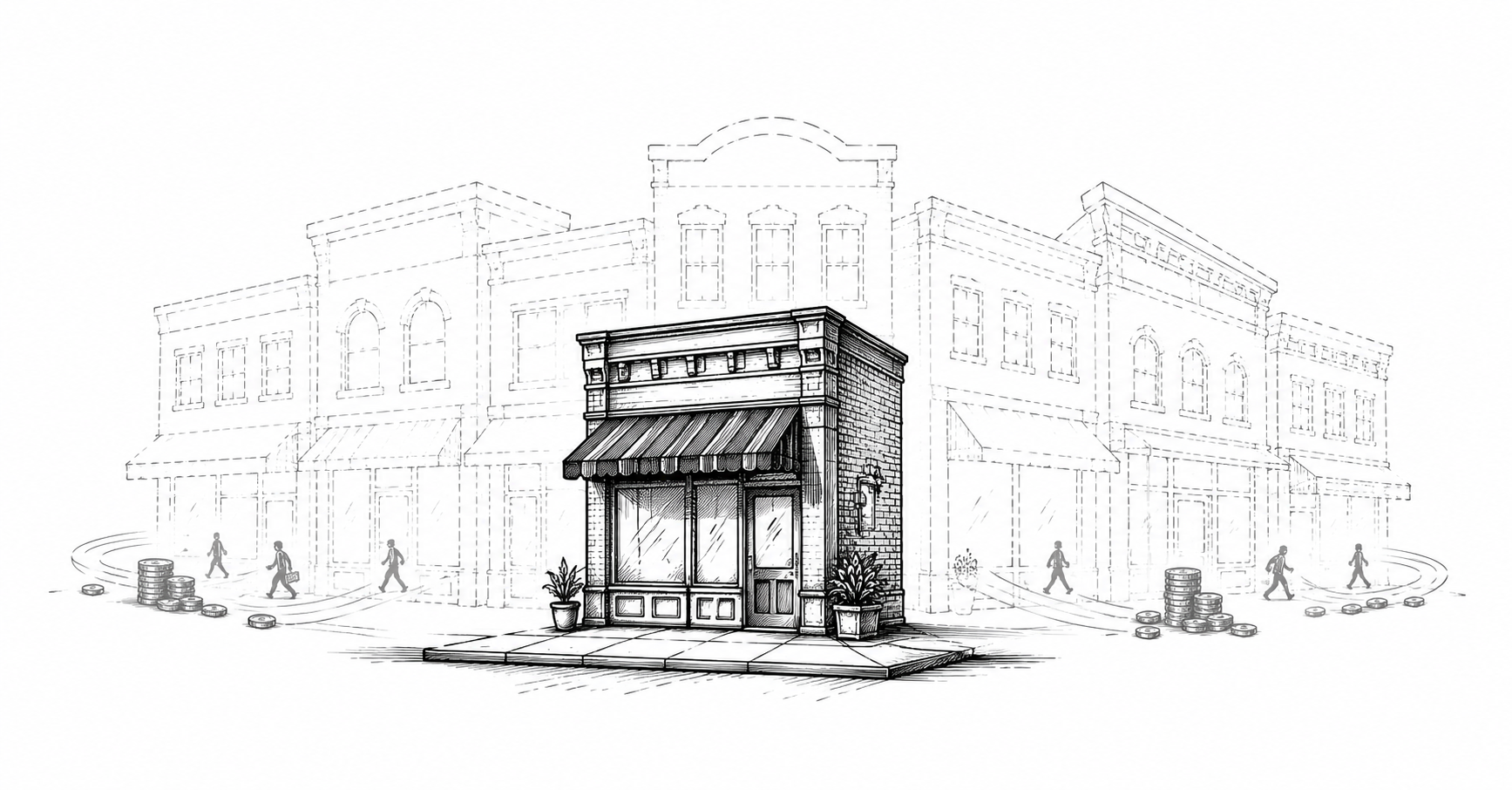
A dollar figure changes an argument in a way a moral appeal can’t. Brookings’ Center for Community Uplift convened an event this month built around a new tool: the Black Business Parity Dashboard. The model answers a specific question usually discussed in vague terms — what would actually happen, in dollars, jobs, and wages, if the share of Black-owned businesses in a community matched that community’s Black population share. Brookings senior fellow and center director Andre Perry presented the initial findings.
The framing converts a familiar advocacy phrase, support Black-owned business, into a quantifiable structural deficit rather than a feel-good ask. Black-owned businesses have long functioned as community anchors in cities like Tulsa, Durham, New Orleans, and Birmingham, providing both an economic pathway and, historically, a direct response to exclusion from other markets. A shifting legal landscape around equity-focused economic development programs is raising real questions about how, or whether, cities and states can continue funding parity-focused initiatives the way they have in the past.
That legal pressure is exactly what makes a dashboard built on hard numbers more useful than another awareness campaign. If a city can see, in dollar terms, exactly how much revenue, how many jobs, and how much wage income it’s leaving on the table because Black business ownership doesn’t match Black population share, that’s a different kind of argument than a moral one. It’s an economic development case a city council or a chamber of commerce can act on regardless of how it feels about the politics of equity as a word.
Whether that data changes funding decisions in practice remains the open question. Models can quantify a gap. They can’t, on their own, force anyone to close it.