Harlem Needs Affordable Housing. The Site New York Chose Already Provides Healthcare.
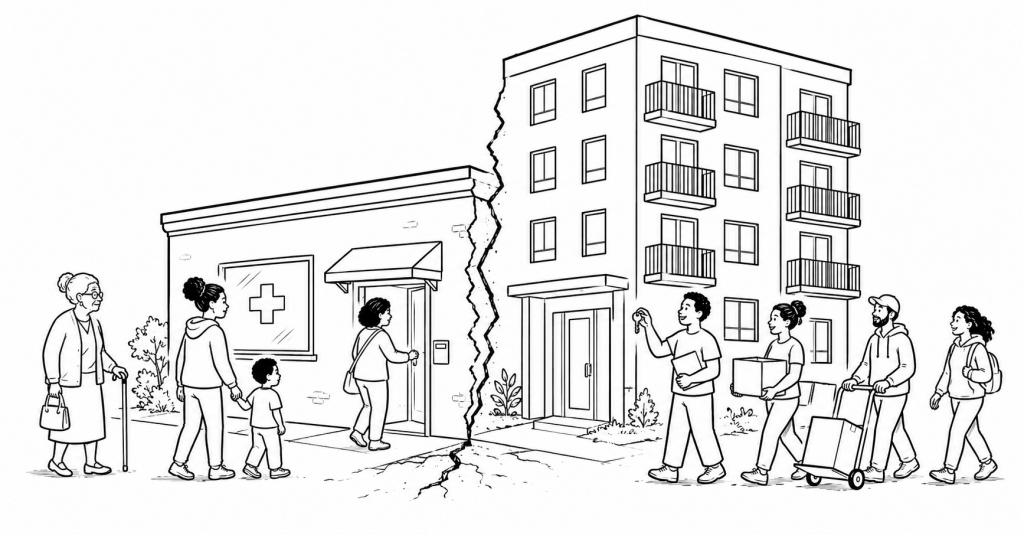
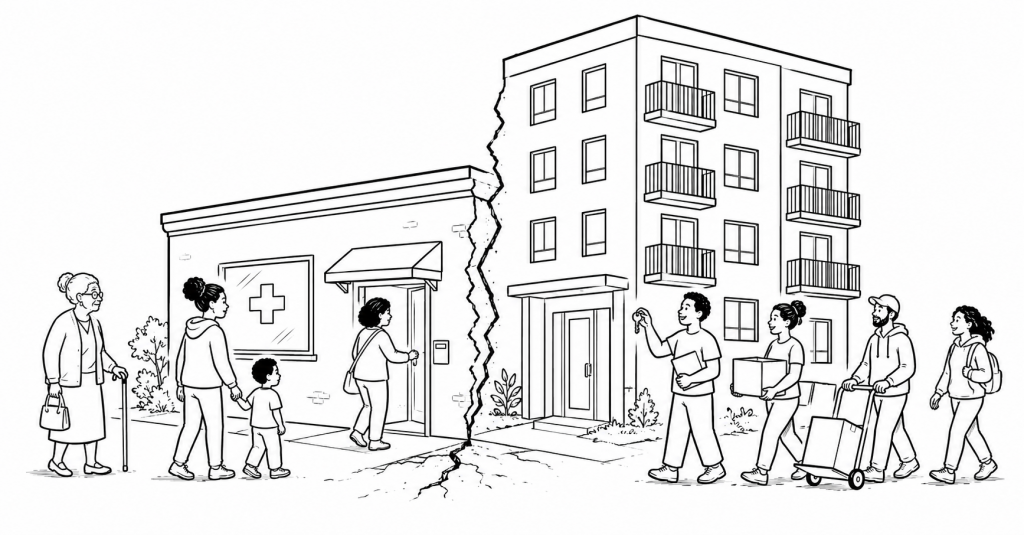
The argument over a Harlem development would be easier if one side were defending luxury apartments.
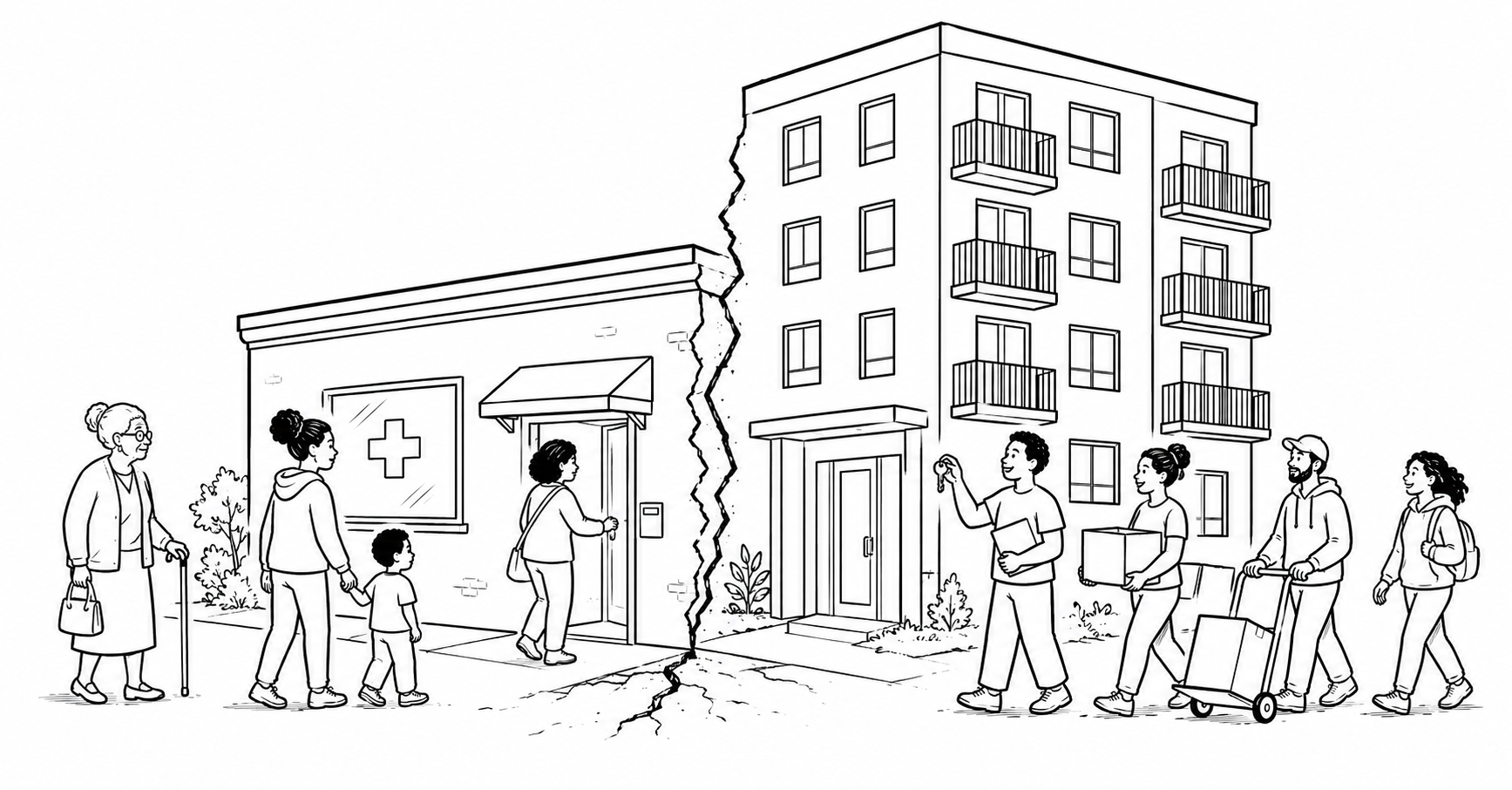
Instead, New York City wants to build 200 units of supportive and affordable housing on a site occupied by a health clinic serving about 7,000 patients every year. The plan would demolish the Heritage Health Care Center at 145th Street and Amsterdam Avenue, along with a neighboring mental-health facility, and replace them with a development called Hill Top. Of the 200 apartments, 120 would provide supportive housing with services and 80 would be affordable units distributed through the city’s housing lottery. The smaller mental-health center would receive space in the new development. Heritage would not.
Residents and several elected officials are now suing to block the project. Their argument is not that Harlem has enough housing. It is that a city confronting multiple forms of scarcity has chosen to address one by removing infrastructure that addresses another.
The Patients Are Not Theoretical
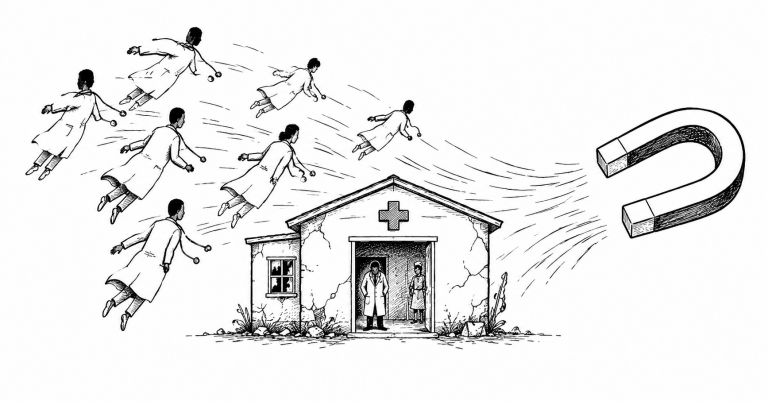
Heritage was founded by community activists in the late 1960s to address limited healthcare access in Harlem, Washington Heights and Inwood. Court records cited by Gothamist show nearly 60% of its patients are eligible for Medicaid and roughly 10% are uninsured. The existing building is deteriorating, but the clinic remains an established point of care in the neighborhood.
The city identified the property in 2023 as a site capable of producing badly needed housing and fast-tracked redevelopment because of the property’s condition. Heritage owns another residential building about two blocks away, but says it lacks the money to convert that property into medical space and estimates that relocation could take two years even if funding were secured. Community Board 9 has voted against the redevelopment in its present form.
The Mamdani administration is defending the project and says the neighborhood needs both housing and continuing healthcare services. The political split reflects the difficulty of the tradeoff: City Council Majority Leader Shaun Abreu and Comptroller Mark Levine support the development, while state Sen. Cordell Cleare and Assemblymembers Al Taylor and Jordan Wright have joined the lawsuit opposing it.
Scarcity Is Forcing Public Goods to Compete
The standard housing debate tends to divide people into builders and blockers. That framing is less useful here. The plaintiffs say they would support a larger project that preserved space for Heritage while adding affordable housing. Their objection is specifically to solving the housing shortage by permanently displacing the clinic.
That distinction matters because housing and healthcare are not unrelated public goods. Housing stability affects health. Neighborhood medical access affects whether people can remain healthy enough to work and stay housed. Supportive housing itself explicitly recognizes that shelter and services often need to exist together.
Yet scarce urban land can force systems that are conceptually connected to compete physically for the same parcel.
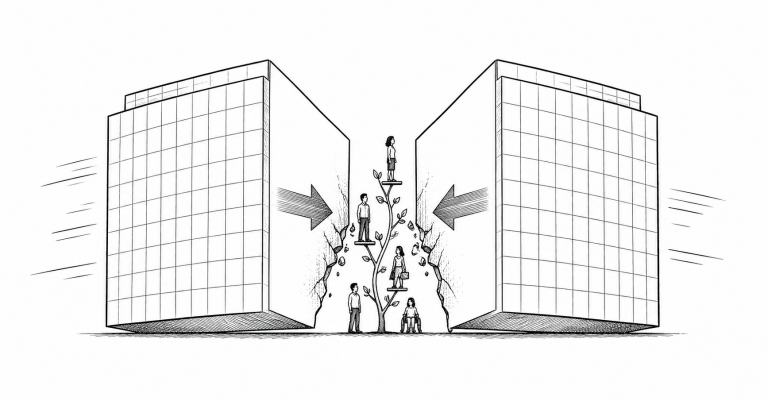
That is the structural problem beneath the Harlem dispute. Cities frequently announce commitments to affordable housing, healthcare access, mental-health services, green space and community preservation as though each can be maximized independently. On the ground, they encounter finite land, finite capital and old buildings already performing functions neighborhoods cannot easily replace.
Harlem does need more affordable housing. Heritage’s patients also need somewhere to receive care. Neither fact cancels the other.
The better measure of public planning is therefore not whether government can identify which need matters more. It is whether government can design systems that stop treating vulnerable residents’ necessities as interchangeable.
When a neighborhood needs both housing and healthcare, building one by removing the other is not simply development. It is a decision about which form of access gets to occupy the land.