Get The End of Day Closing Note
The news tells you what happened. We explain what changed.
- Free. Delivered every evening.

Explore all past issues, only on Beehiiv.
Retail
All Retail stories, newest first.
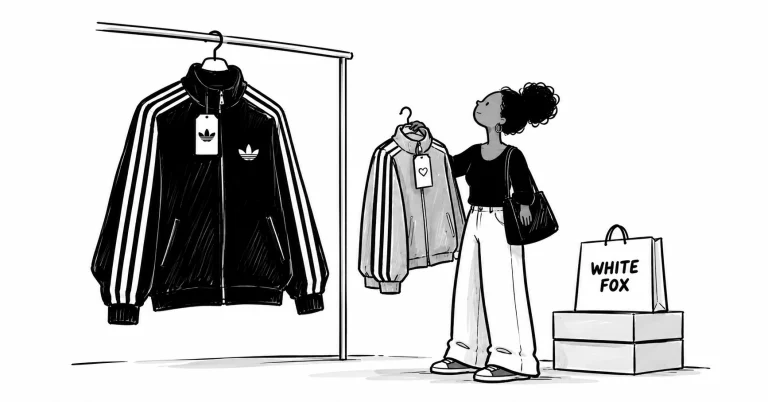
The sportswear giant says adding a stripe doesn’t make a design original. The case puts one of Gen Z’s most visible fashion brands in federal court in Australia.
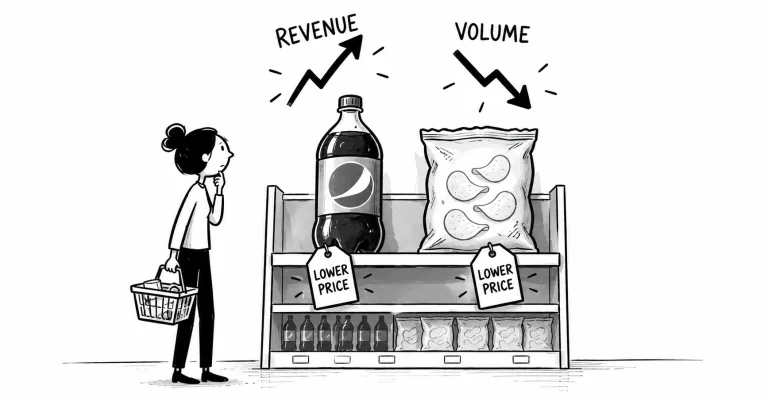
The snack and beverage company faces a test of whether affordability initiatives can rebuild demand while investors push for better margins.
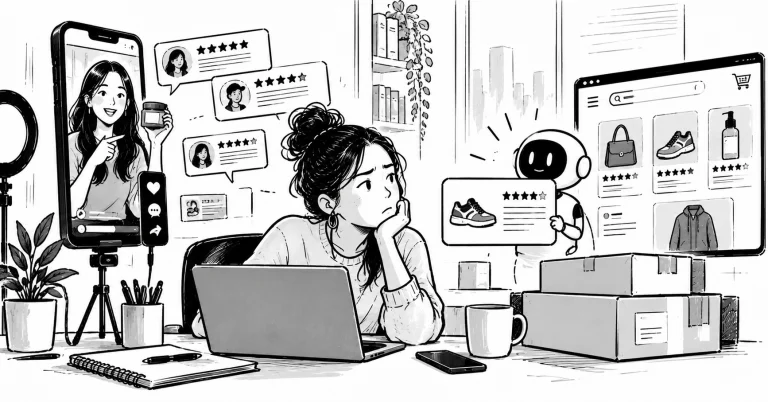
Small creators, AI chatbots and livestreams are reshaping how people decide what to buy. The same shift is making it harder to tell who is actually being honest with you.
Shopify merchants saw holiday and cold-weather demand arrive early in September, with orders for babies’ Halloween onesies and jumpsuits up 209% and Halloween costumes up 198%, according to Shopify’s monthly sales data reported by Retail Brew. Advent calendars rose 143% and Christmas tree skirts 97%, a sign some shoppers are planning past Halloween already. Winter preparation showed up too, with firewood up 129%, space heaters up 118% and snow blowers up 96%. Pets are getting outfitted as well, as pet hoodies climbed 142%. Halloween spending is projected to reach $13.5 billion nationally this year, up from $13.1 billion last year.
Walmart CEO John Furner said in a letter on October 6 that the retailer will not use personal data to charge different customers different prices, writing that using “someone’s income, shopping history, or moment of need to charge them more would violate the EDLP promise.” He also said Walmart does not use its electronic shelf labels to set personalized prices. The letter landed the same day the Federal Trade Commission closed public comments on a proposed enforcement policy aimed at personalized pricing practices it considers deceptive. The FTC has acknowledged that “the extent to which businesses currently use personalized pricing is not well understood,” and the National Retail Federation argued that personalized discounts should be treated differently from personalized prices. How regulators draw that line will shape what shoppers see at the shelf and online.
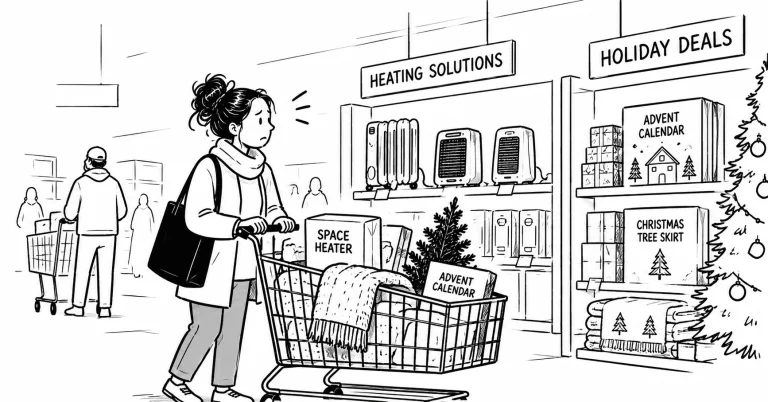
September orders for space heaters, firewood and advent calendars jumped as heating bills climb and confidence slips. The spending looks strong. The mood behind it looks cautious.
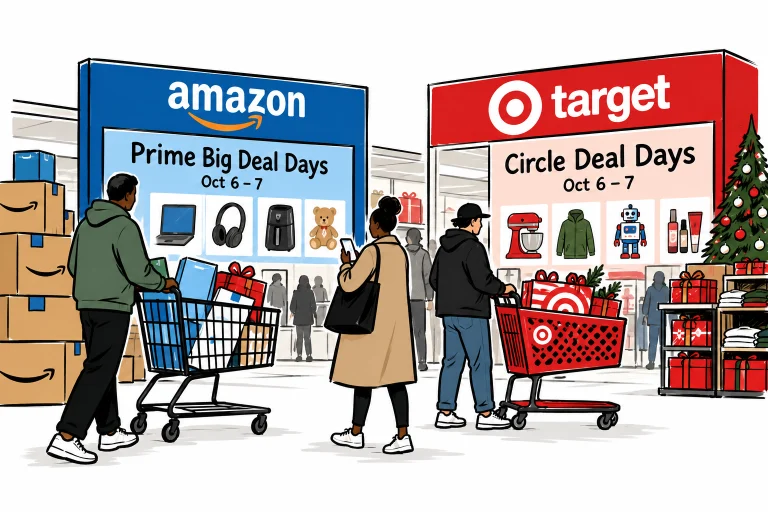
Amazon’s 48-hour Prime Big Deal Days runs October 6–7, putting one of the retailer’s biggest promotional events nearly two months ahead of Black Friday. The sale spans more than 35 product categories, from electronics and beauty to household essentials. For shoppers already planning holiday purchases, that creates an opportunity to compare prices earlier. For Amazon, it creates a chance to capture those purchases before competing retailers get them. Although the CNN Underscored article circulating ahead of the event says the sale starts “tomorrow,” Amazon’s official schedule places its opening on Tuesday, October 6.
Target has cut prices on nearly 2,000 items ahead of its October 6–7 sales event, putting the retailer directly against Amazon’s Prime Big Deal Days on the same dates. The timing shows how aggressively retailers are competing for value-conscious shoppers before the traditional holiday season is fully underway, especially as forecasts point to only modest spending growth and continued sensitivity to prices. For consumers, the competition could produce better deals; for retailers, it raises the cost of winning each holiday dollar because lower prices protect traffic while compressing margins. Forbes reports on Target’s price cuts and holiday strategy here, while Amazon details its Prime Big Deal Days event here.