The news tells you what happened. We explain what changed.
Explore all past issues, only on Beehiiv.
Following the decisions, institutions, and political forces shaping everyday life.
Policy
A proposed Education Department rule would let the secretary end grants "for convenience." More than 5,500…
By Social Storytellers Collective News Desk · September 28, 2026
Policy
The fight over CNN, MS NOW and Politico was framed as a free-speech case. It also…
By Social Storytellers Collective News Desk · September 28, 2026

The dispute has reached the appeals court, extending a fight over whether federal immigration authority can be used to restrict who attends a particular university.
A federal judge in Boston blocked the Trump administration’s immigration-fine policy October 5, ruling that its implementation violated administrative law. The government had assessed penalties of $998 per day against migrants who did not leave after final deportation orders, applying them retroactively for up to five years. Judge George O’Toole found deficiencies in individualized allegations and in the process used to change the rules. The decision interrupts a financial enforcement mechanism capable of imposing enormous debts; it does not itself cancel the underlying deportation orders.
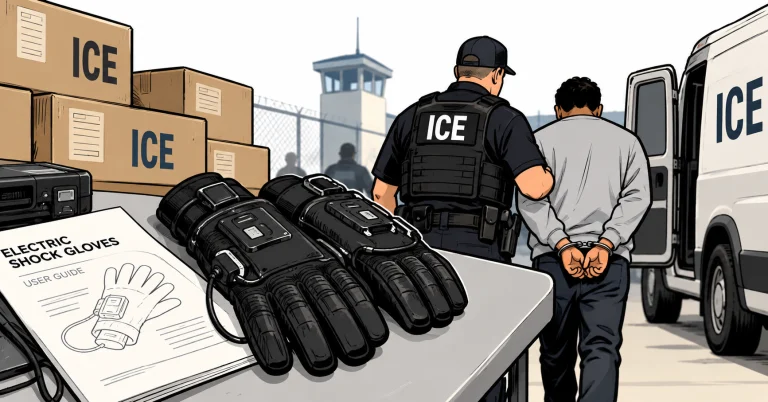
Newly disclosed findings put pain and fear at the center of a federal equipment purchase, while the rules governing its use remain unresolved.
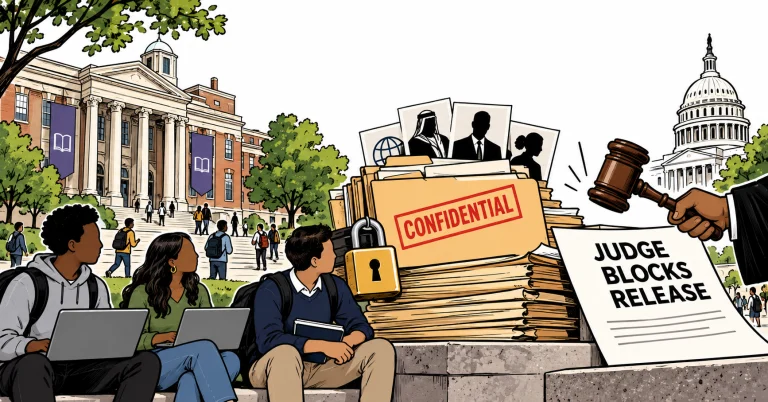
A temporary court order has stopped publication of previously confidential identities. The dispute tests how far public accountability extends—and whether Washington can change the terms after collecting information.
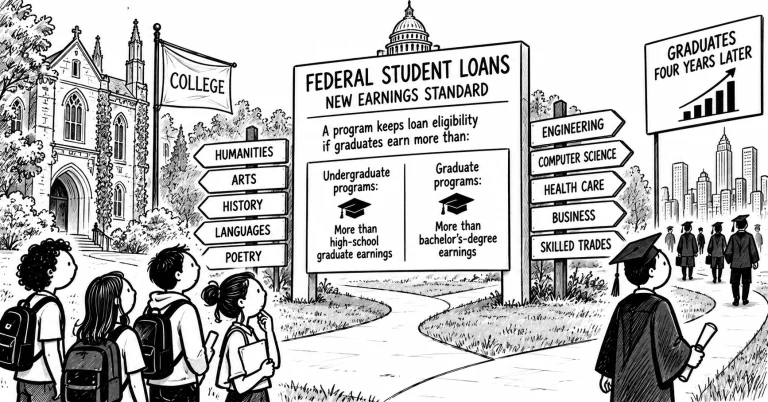
An earnings standard gives Washington more influence over which programs students can finance—and puts colleges under pressure to show an economic payoff.
An extinction warning drew attention at City Hall. The proposals under review would put independent testing, human shutdown controls and legal accountability behind the industry’s safety promises.
Donald Trump signed an executive order October 5 directing Treasury to provide temporary relief involving diesel used on highways. The order instructs the IRS to announce that specified penalties will not apply when dyed diesel is sold for highway use or used on highways between October 5 and December 31, 2026. It also directs tax-payment deferrals, subject to Treasury determinations and existing legal authority. The mechanism is more specific than a blanket elimination of diesel taxes: it changes payment timing and enforcement for designated activity. Truckers and other users will need the implementing guidance to determine how the temporary provisions affect their purchases and obligations.
Climate liability, immigration detention, voting requirements and gun restrictions are all on a docket built around who has the authority to set the rules.
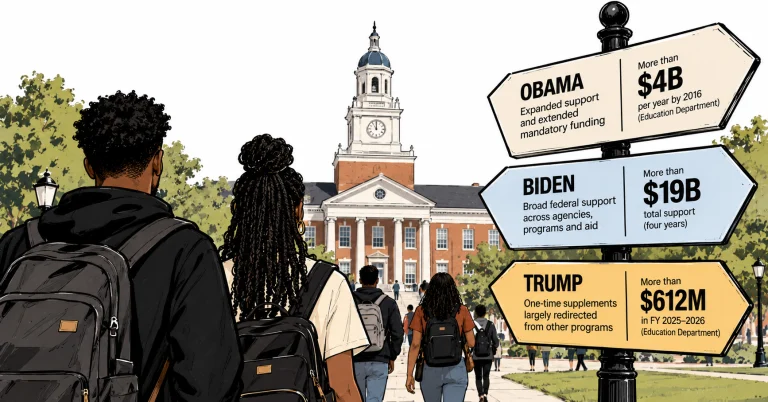
The administration has directed more than $600 million in additional money to HBCUs. That does not mean it has outspent Obama or Biden. The numbers being compared measure different things.
A federal judge in Oklahoma suppressed evidence after ruling that a warrantless search across automated license-plate reader systems, including Flock Safety cameras, violated the Fourth Amendment. The search allowed law enforcement to reconstruct a driver’s movements without obtaining a warrant first. Automated plate-reader networks have expanded rapidly because individual cameras can be installed by police departments, neighborhoods and private businesses, but the ruling focuses on what happens when those separate data points become a searchable record of a person’s travel. The case does not eliminate license-plate readers, but it puts new legal pressure on the ability of police to use aggregated camera networks as retrospective tracking systems.
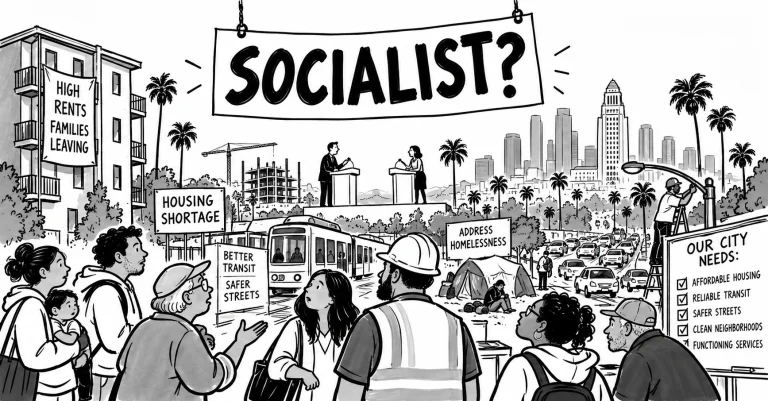
Nithya Raman's challenge to Karen Bass is being treated as another test of democratic socialism. Los Angeles voters are also deciding whether the city's basic systems still work for people who rent, commute and struggle with housing.
The one-time payment will offset part of a Medicare premium. Its funding mechanism says more about the policy than the size of the check.