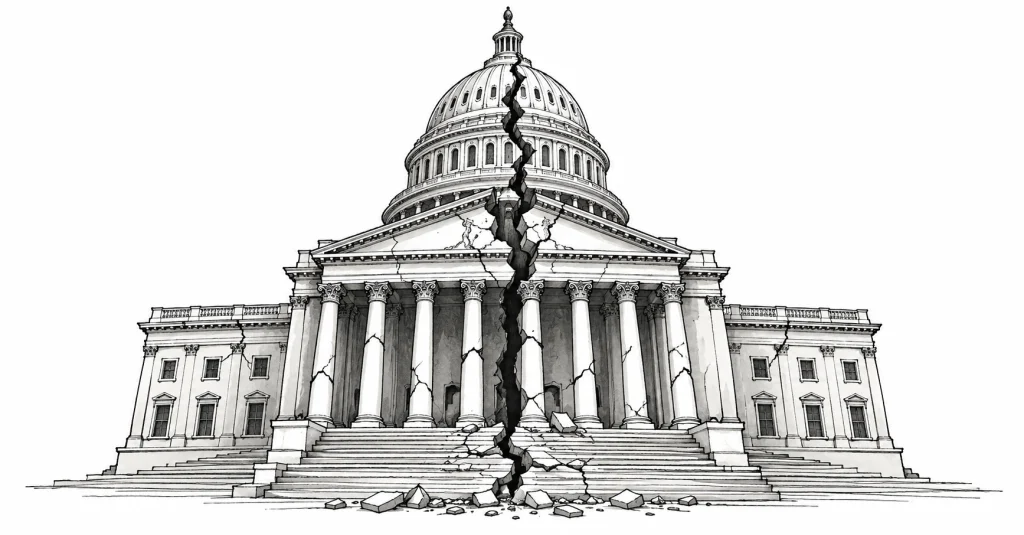
Climate liability, immigration detention, voting requirements and gun restrictions are all on a docket built around who has the authority to set the rules.
The Supreme Court opened its new term Monday with disputes that could alter how states regulate everything from climate liability to elections and immigration. Among the cases before the justices are challenges involving nearly 60 climate lawsuits around the country, mandatory detention of immigrants, Arizona’s proof-of-citizenship voting requirements, restrictions on semiautomatic rifles and the ability of religious schools to participate in publicly funded education programs.
Climate Went First
The term opened with ExxonMobil and Suncor Energy challenging a lawsuit brought by Boulder, Colorado. Boulder wants to seek damages for climate-related costs including wildfires, flooding and infrastructure impacts, while the companies argue federal environmental law prevents states and local governments from using state law to pursue those claims.
The implications extend well beyond Colorado. Reuters reports that nearly 60 similar climate cases are underway nationally. A broad ruling for the energy companies could constrain many of them; a ruling allowing Boulder to proceed could preserve a path for cities and states seeking compensation from fossil-fuel companies. Justice Samuel Alito is recused, creating the possibility of an evenly divided court.
Immigration and Voting Come Next
The court will also consider whether immigrants who have lived in the United States without legal status can be detained without bond hearings and how much opportunity migrants must receive to challenge deportation to third countries with which they have no connection. Both cases emerge from the Trump administration’s broader immigration enforcement strategy.
Arizona’s election laws bring another question of government authority before the court. The justices will review provisions requiring documentary proof of citizenship for some voter registrations and allowing voter-roll removals when citizenship cannot be confirmed. Arguments are expected in December.
That combination makes this term less about one ideological issue than about jurisdiction itself: what Washington can require, what states can prohibit and what local governments can challenge. The decisions will arrive individually over the coming months, but collectively they could redraw several boundaries of government power before the 2028 presidential cycle begins.
Sources: Associated Press overview and Reuters climate-case reporting