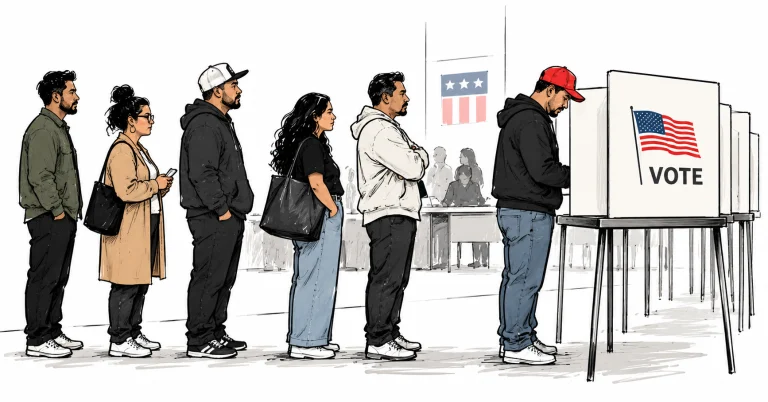
The question has moved back into public view after Los Angeles Times columnist Gustavo Arellano argued this week that Latino men who helped expand Trump’s coalition in 2024 could become a decisive voting bloc in the midterms. His column is explicitly an appeal to Latino men to reject Trump. The underlying data, however, points to a broader question: whether the 2024 shift represented a durable partisan realignment or a more conditional response to the economy, immigration and dissatisfaction with Democrats.
For a decade, the red hat has operated as campaign merchandise, political identity and cultural shorthand. The 2026 midterms are testing whether the movement built around Donald Trump can produce the same political participation when his name is not on the ballot.
The September 30 deadline turned Senate Bill 12 from legislation into an administrative system. Texas school districts now have to document how they changed policies, programs and training to comply.
Donald Trump’s approval rating has fallen to 37%, the lowest recorded by The Wall Street Journal for an incumbent heading into midterm elections since the newspaper began that polling in 1990. The survey, conducted September 16–21 among 1,500 registered voters, found 65% describing the economy as weak and 60% saying Trump’s policies have made economic conditions worse.
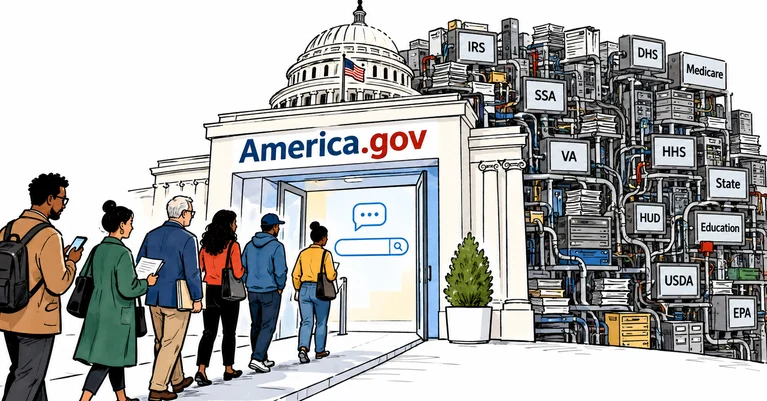
The federal government wants Americans to stop navigating agencies and start asking one AI assistant for help. A better front door could make government easier to use, but it cannot by itself reconcile the rules, databases and eligibility systems operating behind it.
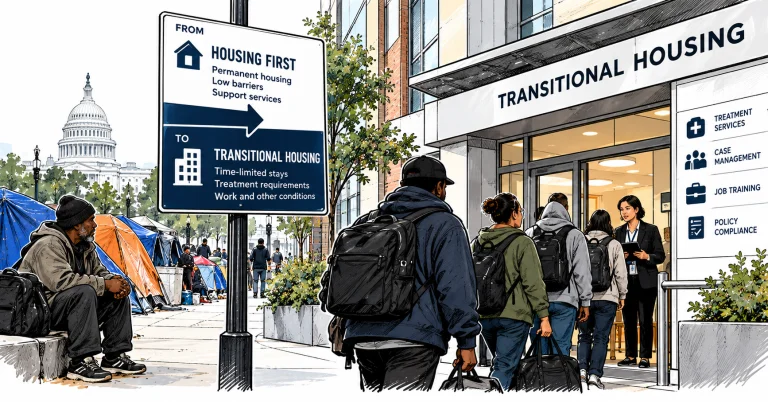
The federal government is moving away from Housing First and toward transitional housing tied to treatment and other requirements. Providers are redesigning programs before the full consequences are known.
An accommodation made for visiting guests changed which employees were allowed to do their jobs. A strike and independent investigation turned a logistical decision into a workplace-power dispute.
The Trump administration says proposed changes could allow Head Start to serve hundreds of thousands more children without additional funding. The tradeoff is fewer required family services, larger classes and potentially fewer teachers.
From Australia to the EU, governments are setting minimum ages for social media. Alabama's $100 million TikTok settlement shows the American alternative: regulating how the products work, one lawsuit at a time.
A proposed Education Department rule would let the secretary end grants "for convenience." More than 5,500 public comments show how much of American education now depends on money that could be withdrawn at will.
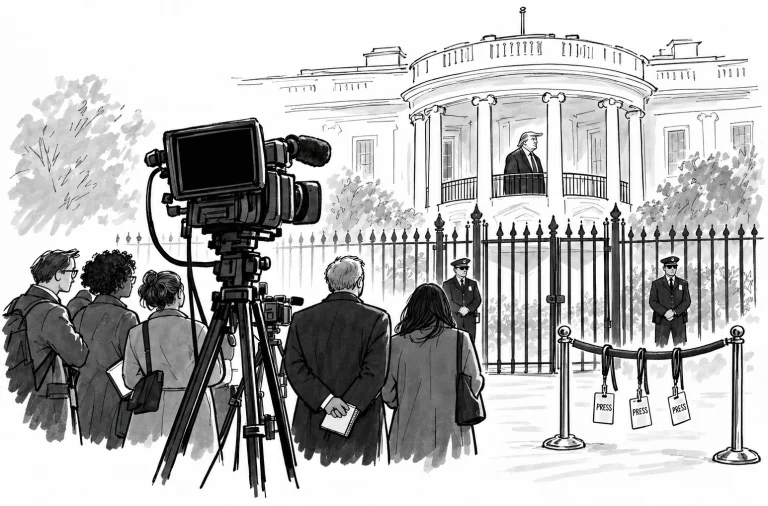
The fight over CNN, MS NOW and Politico was framed as a free-speech case. It also showed that the press pool works as shared infrastructure, and what happens when the outlets that share it stop cooperating.