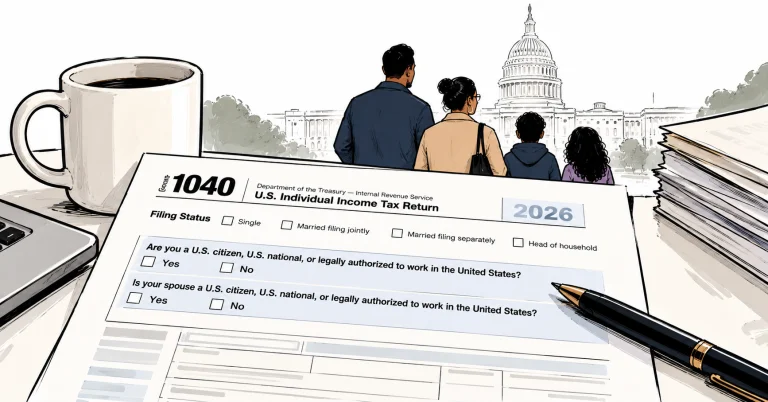
The proposed 1040 would ask every filer about citizenship or work authorization. The IRS already knows who qualifies for the tax credits the administration says it is trying to protect.
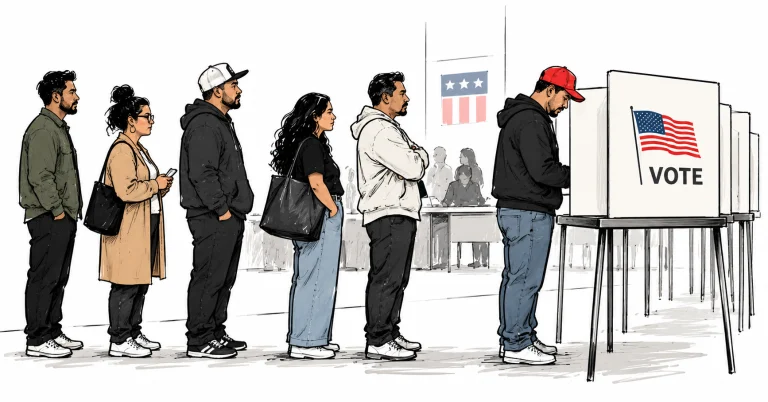
The question has moved back into public view after Los Angeles Times columnist Gustavo Arellano argued this week that Latino men who helped expand Trump’s coalition in 2024 could become a decisive voting bloc in the midterms. His column is explicitly an appeal to Latino men to reject Trump. The underlying data, however, points to a broader question: whether the 2024 shift represented a durable partisan realignment or a more conditional response to the economy, immigration and dissatisfaction with Democrats.
Coffee shops, bookstores, libraries and book clubs are doing something the internet cannot quite replicate: giving people somewhere to be without going home or going to work.
More than a quarter of UK employees are covered by non-compete clauses. Technology founders say restrictions designed to protect existing companies are slowing the formation of the competitors Britain says it wants.
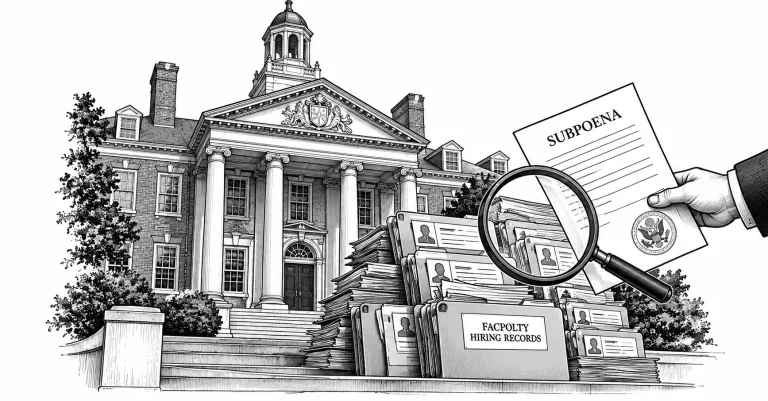
A federal lawsuit asks a judge to force Harvard to hand over faculty hiring records. Before any court weighs discrimination, it will decide how far a government investigation can reach into a university's diversity work.
New limits on accompanying family members took effect October 2, with exemptions and protection for families already in Australia. The changes alter the practical decision to pursue an overseas education.
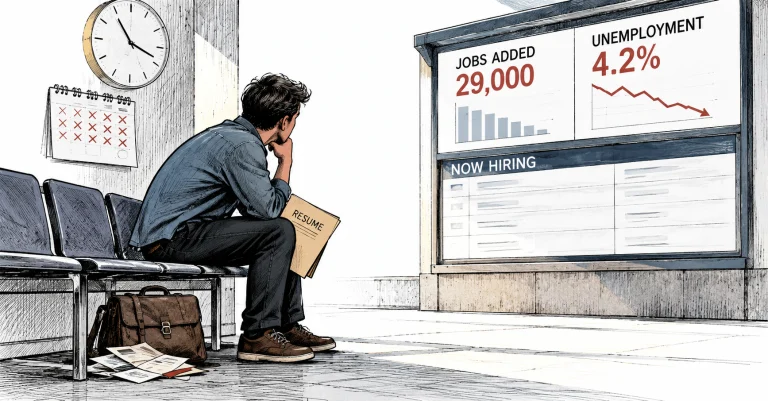
September added just 29,000 jobs, and the summer was revised lower. A steady unemployment rate offers little comfort to the people still trying to get hired.
Twenty-five years after liberalization, mobile connectivity has become part of everyday economic life. The next phase is harder: maintaining the infrastructure, financing upgrades and extending reliable access after the easy growth has already happened.
Ken Griffin’s record donation will fund a new research campus near his company’s headquarters. Its reach will depend on the opportunities it creates for students, researchers and the surrounding community.
Donald Trump’s approval rating has fallen to 37%, the lowest recorded by The Wall Street Journal for an incumbent heading into midterm elections since the newspaper began that polling in 1990. The survey, conducted September 16–21 among 1,500 registered voters, found 65% describing the economy as weak and 60% saying Trump’s policies have made economic conditions worse.
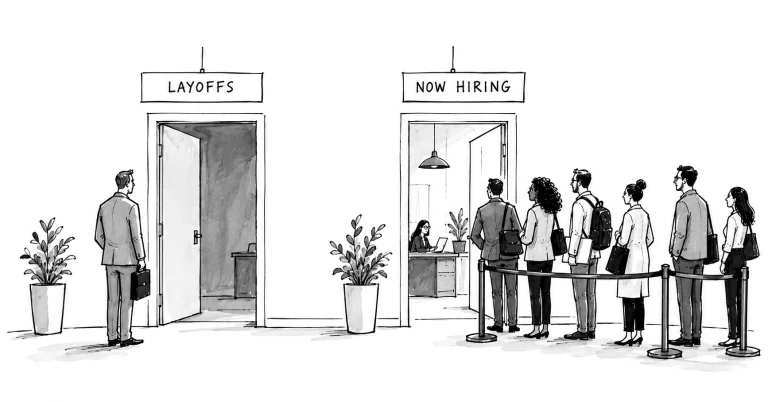
Layoffs remain remarkably low. Hiring remains restrained. Those conditions can exist at the same time—and they create very different labor markets depending on whether you already have a job.
Houston has spent years using property-tax abatements to attract private investment. A proposed rewrite would attach something new to the bargain: higher wages, health benefits and apprenticeship opportunities for the workers building those projects.