Amazon Is Putting $230 Million Into Whole Foods Pay and Benefits
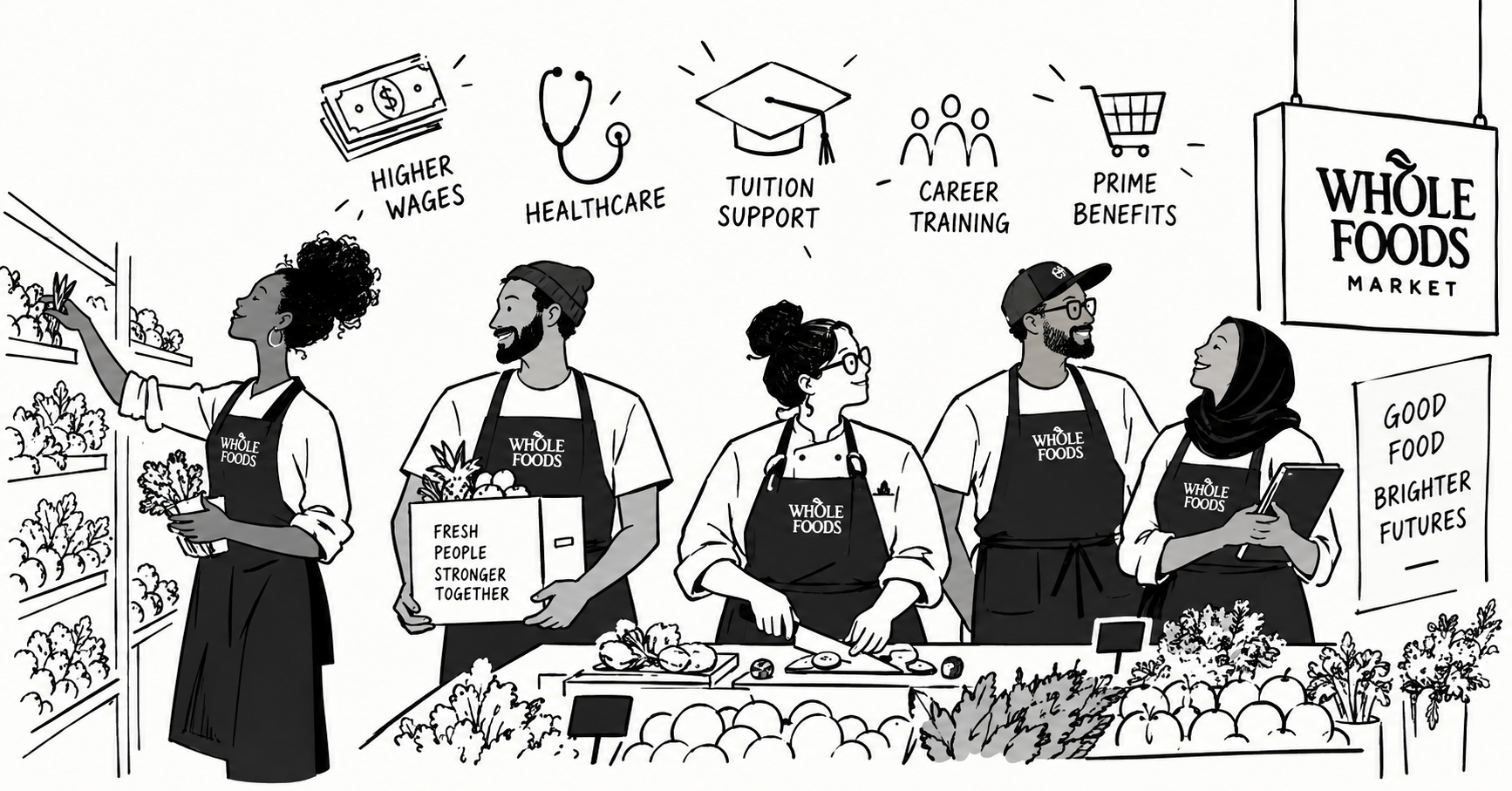
Amazon is investing $230 million in pay and benefits for more than 100,000 Whole Foods Market employees, increasing the average store wage to more than $21 an hour beginning September 28. Once benefits are included, the company says average total compensation will rise to roughly $29 an hour. The scale matters because the changes go well beyond a conventional hourly raise: Amazon is expanding healthcare, education benefits and career training at the same time.
Compensation Is Expanding Beyond the Hourly Wage
Beginning January 1, 2027, Whole Foods employees will be able to choose comprehensive health plans starting at $5 per week, with $5 copays for primary-care and behavioral-health providers. Roughly 20,000 employees working at least 20 hours per week will gain dental, vision and basic life insurance. The company is also adding fertility and specialty-care benefits. Amazon says the total value of benefits available to full-time Whole Foods employees will increase by more than 75%.
Education is becoming another part of the compensation package. Amazon plans to extend its Career Choice program to Whole Foods employees next year, allowing eligible workers to have tuition prepaid for college, skills programs and professional certifications. More than 300,000 Amazon employees have participated in Career Choice since the program began in 2012. Hourly Whole Foods employees will also receive Amazon Prime memberships, currently valued at $139 annually.
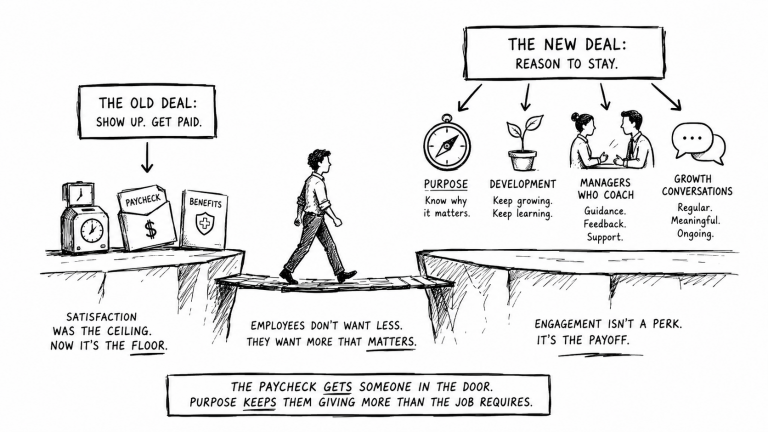
The investment suggests a broader change in the competition for hourly workers. For years, employers experimented with workplace culture, scheduling technology and relatively inexpensive perks to distinguish jobs. Whole Foods is putting money into benefits whose economic value employees can calculate directly: wages, insurance, tuition and credentials.
Retention Is Becoming a Skills Strategy
The company is also building career pathways around work that cannot easily be reduced to generic retail tasks. More than 2,150 Whole Foods employees have already completed apprenticeship programs in fields including butchery, fishmongering, bakery decorating and pizza making. Up to 300 workers can enter those programs each quarter, with training ranging from 12 or 13 weeks for some specialties to as long as a year for meat-cutting programs.
That matters in a period when employers are simultaneously experimenting with automation and struggling to retain workers with specialized skills. A cashier can potentially move between retailers with relatively little retraining. A certified butcher, fishmonger or cheese specialist carries expertise that is harder to replace. Training programs give workers a reason to remain while also increasing the economic value of the employee to the company.
Amazon says employee feedback helped shape the investment, including requests for clearer wage progression, broader health coverage and more benefits for part-time employees. The larger experiment will be whether those expenditures change retention and advancement enough to justify the cost. If they do, the Whole Foods investment offers a different model for frontline employment: rather than treating hourly labor primarily as a cost to minimize, companies may find that wages, benefits and transferable skills are infrastructure worth paying to preserve.