A Fund That Was Blocked From Buying the World Cup Just Bought the Lakers Instead
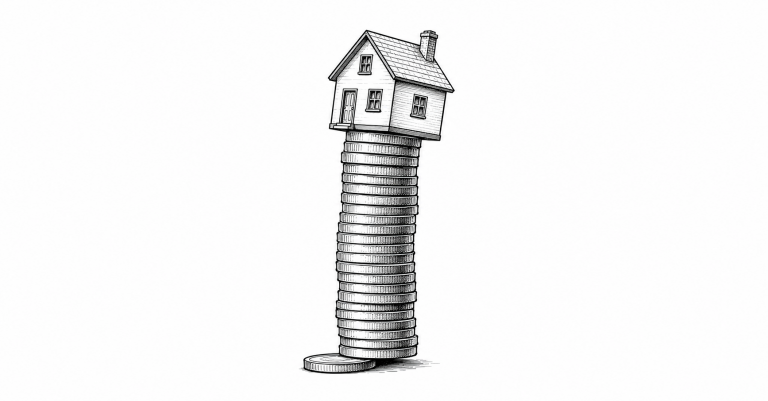
Josh Kushner and Bob Iger paid $12.5 billion for an asset that added no seats, no championships and no new fans in fourteen months. The premium was for scarcity, and scarcity is the one thing a league controls.
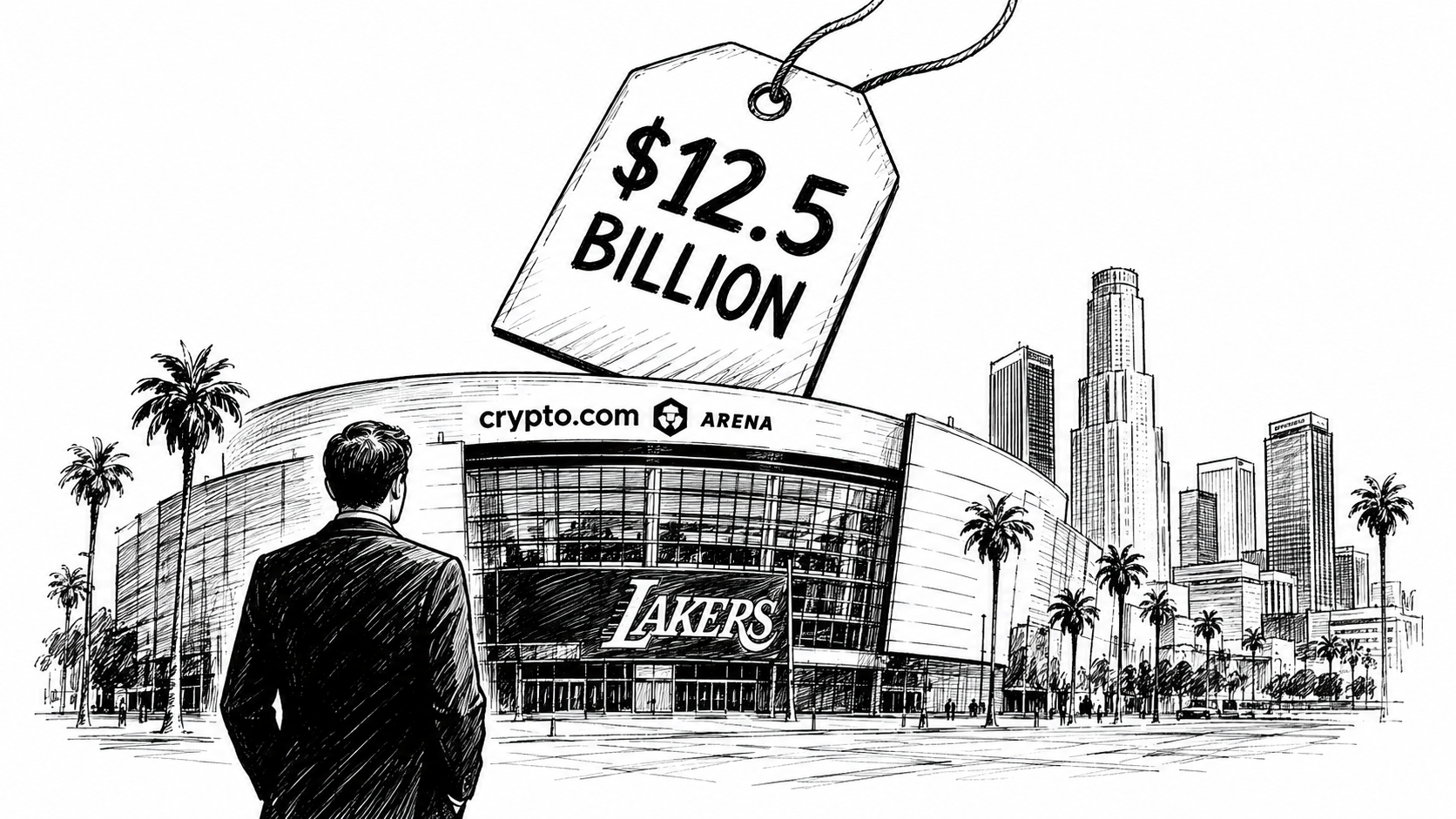
Ramona Shelburne reported for ESPN that Mark Walter has agreed to sell control of the Los Angeles Lakers to Kushner and Iger for $12.5 billion, the highest price ever paid for an American professional sports franchise. Walter agreed to buy the team fourteen months ago at a $10 billion valuation and took control only after the NBA approved the transaction on October 30, 2025. He is exiting with a $2.5 billion increase on a franchise Jerry Buss purchased for $67.5 million in 1979.
Nothing about the basketball operation explains the difference. The Lakers did not expand Crypto.com Arena, did not win a title — their last came in 2020 — and lost LeBron James to the Philadelphia 76ers in July. The roster now runs through Luka Dončić. What changed in fourteen months was not the product but the number of buyers with $12.5 billion and nowhere comparable to spend it.
The Supply Is Fixed by Design
There are thirty NBA franchises because the NBA has decided there are thirty. That decision is the mechanism. A league that controls how many teams exist controls how quickly the price of an existing team can rise, and a fixed supply meeting an expanding pool of technology and finance fortunes produces exactly the appreciation curve the Lakers just demonstrated. Walter held the team for roughly nine months after approval and cleared close to $280 million in valuation per month without operating it differently than the Buss family had.
The pivot inside this deal makes the point sharper than the price does. Kushner and Iger were pursuing an NBA expansion franchise in Las Vegas before they redirected toward Los Angeles, according to ESPN. Expansion means building an identity, a fan base and a broadcast market from nothing over a decade or more. Buying the Lakers means acquiring seventeen championships, a global brand and inherited loyalty already assembled by players, employees and Los Angeles itself. Given a choice between manufacturing scarcity and purchasing it, capital of this size will always purchase.
The Value Was Built by People Who Are Not Paid When It Transfers
Every element that makes the Lakers worth $12.5 billion was produced by someone outside the ownership group. Fans bought tickets and passed allegiance across three generations. Players created the moments that made the franchise legible in Manila and Lagos. Public transit, publicly financed streets and the cultural reach of Los Angeles supplied the market position that an investor is now paying a record premium to occupy.
None of those contributors holds equity in what they built. The $2.5 billion in appreciation flows to the party that arrived with enough capital to hold the asset for nine months, and the next increment will flow to Kushner and Iger on the same terms. This is the ordinary operation of trophy assets rather than an aberration: accumulated public meaning converts into private wealth at the moment of sale, and the conversion is legal, expected and entirely one-directional.
Sports Ownership Is Where Blocked Capital Goes
Kushner founded Thrive Capital, whose portfolio includes OpenAI, SpaceX, Stripe and A24, and he co-founded Oscar Health. He also runs Thrive Eternal, the fund that FIFA proposed selling a $4.2 billion minority stake to for the right to help run future World Cups. Gianni Infantino withdrew that proposal earlier this month after opposition from soccer federations across Europe, North America and Asia. Weeks later, the same capital closed on the Lakers in three days.
The contrast is the story of where this money is heading. FIFA’s members could block a sale because the World Cup is governed by a confederation structure that gives national federations a vote. The Lakers required a seller, a price and eventual approval from a board of thirty owners with every incentive to ratify a transaction that revalues their own holdings upward. Kushner must divest his minority stake in the Miami Heat to complete the purchase, a rule that governs conflicts between franchises but places no ceiling on price. Jeanie Buss remains governor for at least five years under the terms Walter negotiated, and the Buss family retains a reported fifteen percent, preserving the appearance of continuity while control moves twice in a single calendar year.
Walter’s exit carries one unresolved thread: Bloomberg and ESPN both note that his investment operation is the subject of a federal inquiry into how loans to his companies were disclosed. His companies deny wrongdoing, and no party has linked the inquiry to the timing of the sale.
What Happens to the Price of Entry
The next NBA expansion fee will be priced against $12.5 billion rather than against $10 billion, which means Las Vegas and Seattle will cost more than any group outside sovereign funds, technology fortunes and multi-family investment vehicles can assemble alone. Expect the pressure to land on ownership rules rather than on prices — limits on institutional capital, on debt ratios, on how many franchises a single fund may touch. Those rules are the only remaining constraint on who may own a piece of American cultural life, and they are written by the same thirty people whose net worth rises every time the ceiling moves.