
October 31 – November 5
Return to Sender
October 31–November 5, 2026. Gas hit a record $4.15 on Election Day, voters handed Democrats both chambers of Congress, and Elon Musk’s $190 million bet on Texas cost his companies a lot more than $190 million. Last week we asked who gets the bill. This week, a lot of Americans wrote “return to sender” on it.
Last Friday, we said Americans would check the receipt. On Tuesday, they did.
They showed up angry about gas, groceries and power bills, and they sent a message to the people who’d been running up the tab. But a ballot only reaches some bills. Companies kept cutting jobs the same week. The AI boom kept landing on household power bills. And across 25 stories Social Storytellers Collective published from October 31 to November 5, the pattern held: voters can change who’s in charge, but changing who pays takes longer.
The Election: Return to Sender

The map looks different this morning. Democrats won both the House and Senate, flipped at least seven Republican-held Senate seats and took governors’ mansions in states Republicans have run for decades. Kansas picked its first Democratic senator in nearly a century. The map turned blue, and it didn’t stop at the usual battlegrounds.
The night came with a stack of firsts. Georgia has had 83 governors, all of them white men, until Keisha Lance Bottoms beat a billionaire who spent more than $200 million of his own money. Deb Haaland became the first Native American woman elected governor, Abdul El-Sayed the first Muslim U.S. senator, and Gina Hinojosa Texas’ first Hispanic governor. America elected its first Black woman governor, first Muslim senator and a generation of political firsts. The next fight is over how much power they’ll actually get to use.
In Texas, the receipt has a name on it. Ninety percent of Black voters backed James Talarico, three months after 77% said the state Democratic Party takes them for granted. Black Texans gave Democrats their widest margin, and now they want something back. Loyalty isn’t free. It’s a loan.
The voters both parties thought they had figured out moved again. Young men backed Trump 56% to 42% in 2024. This time, about 63% voted for Democratic House candidates. Young men helped elect Trump, and two years later they voted Democratic. Latino voters swung back too, with roughly six in ten backing Democrats after giving Trump 48% two years ago. Latino voters keep swinging, and both parties keep mistaking it for loyalty. Nobody owns these voters. They’re shopping.
And one race is still open. In Mississippi, Scott Colom led Sen. Cindy Hyde-Smith by 65 votes out of nearly a million as of Wednesday, in a state with no recount law. Mississippi never wrote rules for an election this close. Now it has one.
Money: The Party and the Pump
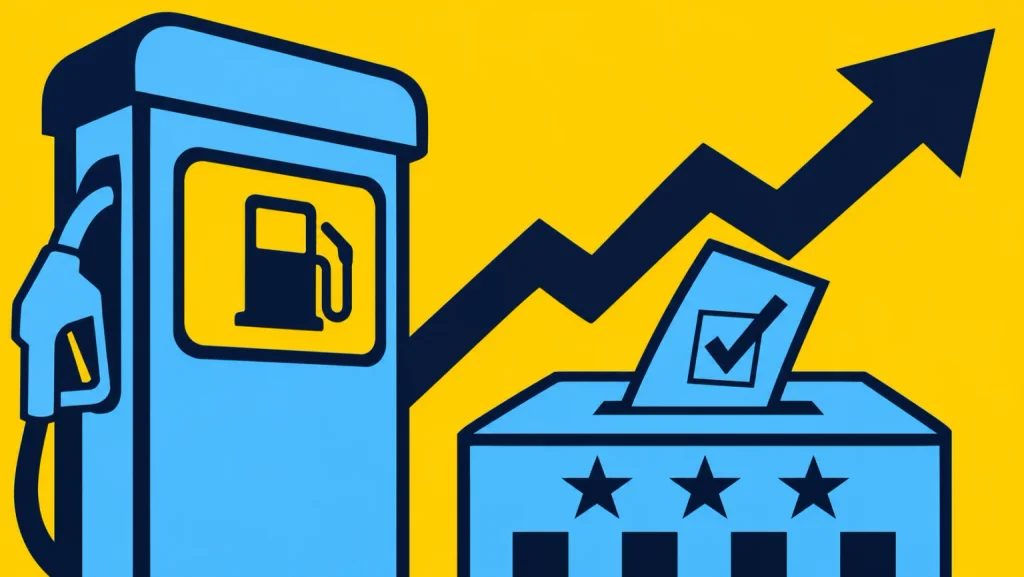
Voters walked into the booth paying the most for gas ever recorded on a congressional Election Day: $4.15 a gallon, $1.11 more than a year ago, with diesel at $6.29. Gas hit $4.15 on Election Day, setting a new record as Americans voted. If you were wondering what was on the ballot, it was that.
The next morning, Wall Street popped the champagne. The Dow jumped 1,569 points, its best day since the April 2025 tariff pause, and Brent crude fell below $95 on bets that a Democratic Congress will push to wind down the war with Iran. Wall Street threw a party, and households are still waiting on the invite. The invitation arrives when it shows up at the pump.
The mood is better. The math isn’t. Consumer confidence rose 7.5 points in October, and in the same survey people said they plan to spend less on cars, homes and services while expecting prices to rise 5.8% next year. Consumers feel better. They’re still spending less. Even a six-figure salary isn’t the cushion it was: only 30.2% of people earning $100,000 or more say their finances are improving, down from 45.2% in late summer 2025. Even Americans earning six figures are feeling the squeeze.
Then there’s the turkey. Target is selling a $30 Thanksgiving dinner for six, Walmart has a $35 basket for 10, and Aldi says it can feed 10 for under $39. The $30 Thanksgiving dinner says plenty about the American economy. When a cheap holiday meal is the big marketing push, the economy is the story.
Work: They Did Everything Right

Weil Gotshal’s first-year associates took on the law school debt, landed the elite job and started this fall. On Oct. 27, they were told to start looking for work somewhere else, before their first annual review. They did everything right. Their firm is closing anyway. The partners take their clients with them. The newest people get 90 days.
The rest of corporate America kept calling cuts something else. Fiserv eliminated 3,000 roles since June, doubled its savings target to $1 billion, planned $500 million in stock buybacks, and watched its shares rise. Fiserv cut 3,000 jobs. Wall Street heard “efficiency”. Google expanded voluntary buyouts to five more countries while it doubles down on AI, offering a month of pay per year of service, capped at 12. Google is offering employees a way out while it doubles down on AI. And Disney has reportedly asked some managers to find 20% in annual savings, with thousands of jobs under consideration. Disney is reportedly preparing another round of major cuts.
Psychologists now have a name for what this does to people: AI grief, the loss of an identity, a career path and the ability to provide. Even workers who keep their jobs are overstating their AI use and burning out to prove they’re still needed. Workers are grieving more than lost jobs. They’re grieving the careers AI took off the table. A layoff ends a job. This ends a plan.
Power: Who Gets a Piece

Last week, we asked what Elon Musk stood to gain from spending nearly $190 million to elect Ken Paxton. This week, the market answered a different question. Paxton lost, Democrats swept Texas, and by Thursday Tesla and SpaceX were each down about 15% in two days, on track to lose more than $380 billion in combined value. Musk bet $190 million on Texas staying red. Wall Street is pricing the loss. Expensive bet. More expensive loss.
He’s still playing for control. A possible Tesla–SpaceX merger could give Musk about 56% of the voting power in a $3.5 trillion company while he’d own closer to 37%. A Tesla–SpaceX merger could give Elon Musk 56% voting control without meeting his pay targets. Owning a third and running the whole thing is a neat trick.
The AI money is moving even faster. Anthropic’s updated IPO filing shows $17 billion in revenue in a single quarter and about $895 billion in spending commitments, mostly computing and data centers, with most of the early gains already gone to private investors. Anthropic’s IPO filing shows how fast AI money moves. Who actually gets a piece? You may already be chipping in. Residential electricity prices are up more than 10% since 2024, and utilities earn a regulated profit of around 9% to 10% on everything they build, including capacity for data centers. Utilities make money when they build. That’s why your power bill is funding the AI boom.
And your medicine cabinet just consolidated. Kimberly-Clark closed its $48.7 billion purchase of Kenvue, putting Huggies, Kleenex, Tylenol, Listerine and Neutrogena under one roof, and promised about $2.1 billion a year in savings without saying what that means for workers. Huggies, Tylenol and Listerine now share an owner.
Access: The Bills the Ballot Can’t Reach
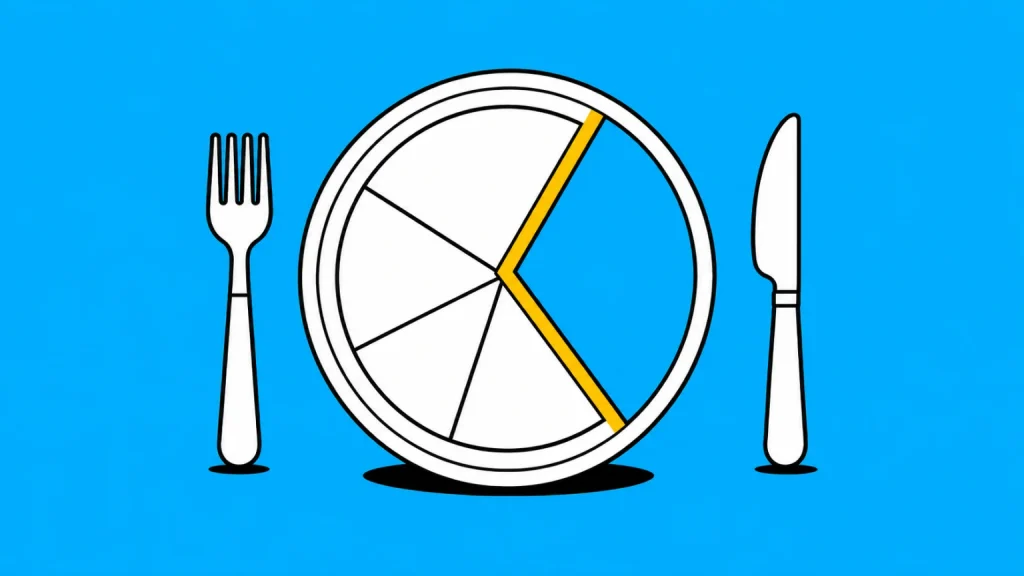
Some of the bills on Tuesday’s ballot were already paid, by the people with the least room to pay them. About 5.5 million fewer Americans get SNAP than a year ago, pushing enrollment to a 17-year low. Unemployment didn’t fall. The paperwork just got harder. SNAP didn’t shrink because Americans got jobs. It shrank because paperwork became the policy.
Starbucks is redesigning its menu for customers on GLP-1 drugs: protein lattes, jerky, smaller bites. In October, it stopped covering those same drugs for weight loss for its own employees. Starbucks wants GLP-1 customers. It stopped paying for its workers’ prescriptions. Same drug, different side of the counter.
Some costs show up years later. The U.S. declared measles eliminated in 2000. This year it has recorded 4,852 cases through Oct. 29, more than double all of 2025, and a child in New York became the state’s first measles death in 30 years. Measles was eliminated in America 26 years ago. Now nearly 5,000 cases have been reported.
And a cultural home may be up for grabs. Contract talks between Essence Fest and New Orleans have stalled, one vendor says she’s still owed $500,000, and Houston, Atlanta and five other cities have shown interest. Essence Fest could leave New Orleans. The warning signs have been there all year. Thirty years of Fourth of July weekends don’t move easily. But they can move.
What We’re Watching Next
Mississippi’s Senate race comes down to affidavit ballots, and mail ballots postmarked by Election Day can arrive through Nov. 10. Watch whether oil stays below $95 long enough to reach the pump before Thanksgiving travel. Watch Musk’s companies, and whether Democratic wins at the state level slow the data center buildout that’s been landing on power bills. And watch the new Congress: it doesn’t take office until January, but the people who elected it are already keeping a list.
Here’s the pattern to watch: Tuesday changed who answers the bill, not the bill itself. The jobs cut this week stay cut. The power bills keep coming. Voters sent a message to the people who’d been charging them. Next comes the harder part: making sure the next bill isn’t addressed to them, too.
Friday Forward publishes every Friday on LinkedIn. For the daily read, the End of Day Closing Note lands in your inbox seven nights a week, and you can sign up free right here.