
Food aid enrollment just hit a 17-year low. The work requirements behind the drop are working as designed: as a filter, not a jobs program.
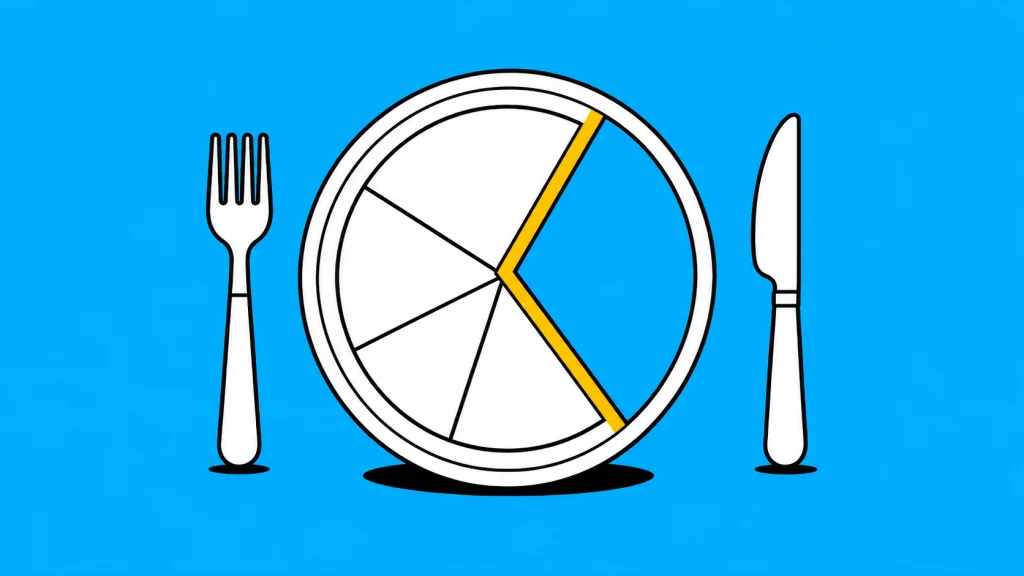
Washington just ran a test on what happens when you make hungry people prove they deserve to eat. About 5.5 millionfewer Americans get SNAP than a year ago, and enrollment has fallen to 36.1 million, a 17-year low, according to the Center on Budget and Policy Priorities’ analysis of USDA data. The One Big Beautiful Bill Act, signed by Donald Trump in July 2025, made that happen. Its backers say the drop proves Americans are moving from welfare to work. The labor market says otherwise.
The jobs story doesn’t add up
If people were leaving SNAP for paychecks, unemployment would fall and wages would climb. Neither happened. Unemployment has held near 4% since the law passed, and real wages have slipped. What did change is the rulebook. Adults up to age 64 must now document 80 hours a month of work, training or volunteering or lose benefits after three months. Parents lose their exemption once their youngest turns 14. Veterans, people experiencing homelessness and young adults leaving foster care lost their exemptions entirely.
Work requirements mostly test whether someone can keep up with paperwork, not whether they work. Most adults on SNAP who can work already do, often in hourly jobs with shifting schedules that are hard to document month to month. The country has seen this before. When Arkansas added Medicaid work requirements in 2018, roughly 18,000 people lost coverage within months, and research published in the New England Journal of Medicine found no rise in employment. SNAP is now running that experiment nationally, and about 2 million of the people cut off are children, CBPP estimates.
The incentives point one way
The law also hands states a reason to cut. States now pay 75% of SNAP’s administrative costs, up from 50%. Starting in October 2027, they’ll pay a share of the benefits themselves, tied to their error rates. When every enrollee costs a state money, the cheapest move is fewer enrollees. Arizona’s caseload has already been cut in half.
What isn’t being counted
The administration ended USDA’s annual Household Food Security Report in 2025, the government’s main measure of hunger for three decades. So the people leaving SNAP are being counted as a policy success, while what happens to them afterward isn’t being counted at all. A program that loses track of the people it removes can’t tell whether it moved them into jobs or into food bank lines.
The SSC take
This law moved power from a federal food floor to state budget offices and paperwork deadlines. The cost hasn’t disappeared. It has moved to food banks, school cafeterias, emergency rooms and the paychecks of families already struggling to afford basic necessities. Expect states to cut harder before their benefit-cost bills arrive in 2027, and expect food bank demand this winter to tell the story that federal data no longer will.