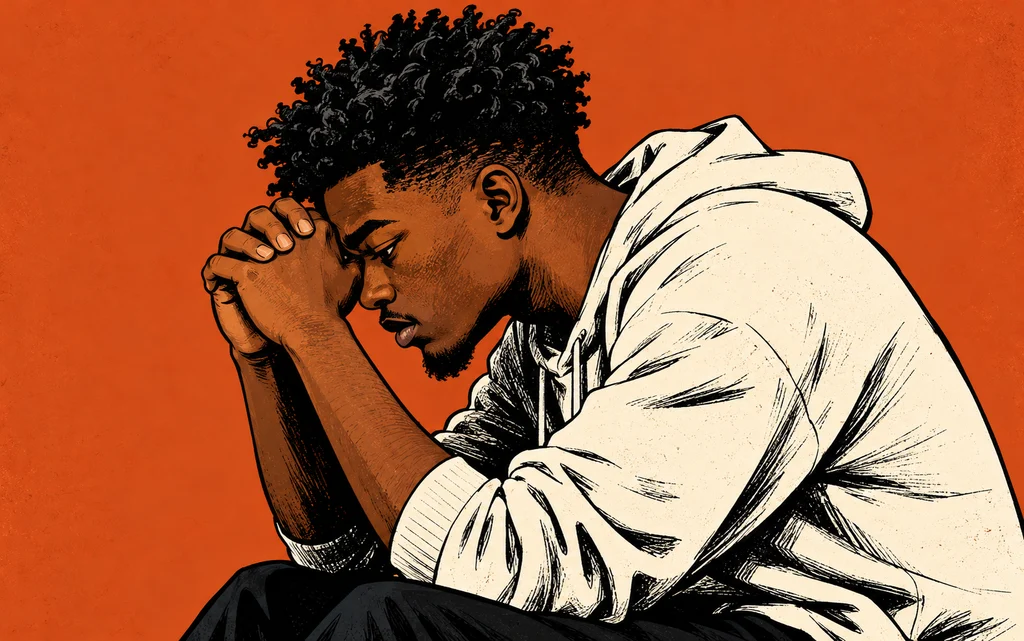
Donald Trump’s gains with Black voters in 2024 were real, and they were concentrated among men. Trump won 15% of Black voters, up from 8% in 2020, according to Pew Research Center’s study of verified voters, and 21% of Black men. Other surveys put the shift among Black men even higher: AP VoteCast found Trump’s share rising from 12% to 25%, and roughly 3 in 10 Black men under 45 backed him, about double his 2020 share.
Those numbers have produced a lot of finger-pointing and very little explanation. Black men have been blamed for sexism, for being duped online and for abandoning their communities, while Democrats have been blamed for neglect and Republicans for pandering. The evidence points somewhere more complicated, and in several places it does not point clearly at all. What follows is what the research can and cannot tell us about why some Black men moved.
The Shift Was Partly About Who Showed Up
The most important finding is also the least discussed. Pew found that Trump’s improvement among Black voters came mainly from changes in who turned out, not from large numbers of voters switching sides. Some Black voters who backed Joe Biden in 2020 did vote for Trump in 2024, but those defections were largely offset by Black voters who moved the other way.
That matters for how the story gets told. A Black man who stayed home in 2024 changed the electorate as much as one who changed his vote, and the reasons for staying home, such as disillusionment, distrust or a sense that neither party was speaking to him, are different from the reasons for embracing Trump. Surveys also disagree on the size of the shift: Pew put Trump at 21% among Black men, AP VoteCast at 25% and Navigator Research at 24%, while the national exit polls showed little change at all. Any honest account has to start with that uncertainty.
Money Came First
When Black men who voted for Trump explain their choice, the economy usually comes first. Among young Black men, Navigator Research found that jobs and the economy topped their list of concerns, followed by inflation, and that they were deeply pessimistic about economic conditions. Navigator found Trump winning 30% of Black men ages 18 to 44, up from 13% in 2020.
That economic frustration predates the election and has not gone away. SSC has documented how inflation-adjusted pay is slipping again and how working-class status is becoming an identity rather than an income bracket. For younger Black men with less wealth and fewer financial cushions, a message about prices, paychecks and small business ownership landed in a way that abstract warnings about democracy often did not.
“It’s Been a Very Long Time Since the Democrats Kept Their Promises”
The feeling that Democrats take Black voters for granted is harder to measure, and SSC could not find a recent national survey that asks the question directly by gender. But it shows up again and again in how voters describe their own decisions. “It’s been a very long time since the Democrats ever really kept their promises,” a 25-year-old Black consultant in Virginia told The Associated Press after voting for Trump, adding that Trump’s “minority community outreach really showed up.”
The way the party spoke to Black men late in the campaign may have reinforced that feeling. In October 2024, Barack Obama told a group of supporters in Pittsburgh that hesitancy about Kamala Harris “seems to be more pronounced with the brothers” and suggested some were “just not feeling the idea of having a woman as president.” Supporters saw a call to action, while many Black men heard a lecture. The organizers behind this year’s Black men’s turnout push now describe Black men as having been “an afterthought throughout the election cycle,” and research by HIT Strategies found that one in four Black men ages 18 to 45 were uncertain or unlikely to vote in the midterms. As we reported this month, Black voters remain Democrats’ most reliable bloc, but turnout will decide what that loyalty is worth.
Leadership, Masculinity and the Head of the Household
Trump’s image as a strong leader also mattered. AP VoteCast found that Black men and women were about twice as likely as in 2020 to describe him that way. Research on men’s identity helps explain why that message resonated: in a 2025 study of men by Precision Strategies, nearly 70% of Black Gen Z and millennial men said being head of household is very masculine, the highest share of any group, and 71% of Black men said faith gives their lives meaning.
Views about gender roles also appear in the voting data, although not in the way the loudest commentary suggests. Political scientists Michael Tesler and Crystal Robertson found that sexist attitudes helped predict which Black men switched from Biden to Trump. But those men had already moved toward Trump before Harris entered the race, which suggests the shift was about broader views on gender and leadership rather than a simple rejection of a woman candidate.
The Red Pill Pipeline
Online “manosphere” and red pill content, which promises young men status, money and dominance, is often blamed for Trump’s gains with young men of every race. The evidence that it reaches young Black men is growing. The Precision Strategies study found that the most controversial content reaches heavy online users, especially young Black and Hispanic men, and Equimundo’s State of American Men 2025 survey found that men who endorse manosphere beliefs they encounter online are three times as likely to endorse strongman politics.
What the research does not show is that red pill content changed large numbers of Black men’s votes. Neither study breaks down the effect by race, and the influencers in question often sell self-improvement, fitness and financial advice alongside more hostile messages about women. As we reported, the second wave of red pill content is already on TikTok, and it looks like self-improvement. It is plausible that this ecosystem made a strongman message feel familiar to some young Black men, but that remains a hypothesis rather than a documented cause.
Trans Rights and the Culture War
The Trump campaign spent about $19 million on its “Kamala is for they/them” ad, airing it heavily during football games in October 2024. A Democratic super PAC, Future Forward, reportedly found the ad moved viewers 2.7 points toward Trump, while a randomized trial released by GLAAD found no significant effect on vote choice. Neither study reported results for Black men specifically.
Black Americans’ views on gender identity help explain why the issue had some purchase. A 2023 Pew survey found that 68% of Black adults say a person’s gender is determined by their sex at birth, compared with 60% of all Americans, and that view rises to 84% among those who attend religious services weekly. At the same time, Black adults were less likely than the public overall to say society has gone too far in accepting transgender people. That combination suggests many Black voters hold traditional views on gender without wanting the issue to define politics, which helps explain why an ad focused on it could resonate with some voters without moving most of them. As we’ve reported, religion still divides the midterm electorate, and faith runs deep among Black men.
What Has Happened Since
Whatever drew some Black men to Trump in 2024, it has not translated into lasting approval. By August 2025, Trump’s approval among Black voters had fallen to 11%, with 84% disapproving, according to Economist/YouGov polling. The same pattern is emerging among Latino voters, where, as we reported today, Trump’s support is showing cracks and the debate over whether Latino men’s shift holds looks a lot like the one among Black men.
None of the explanations above works on its own, and none requires assuming the worst about Black men. Economic frustration, a sense of being taken for granted, ideas about leadership and the head of the household, online culture and views on gender all overlapped, and for many men the deciding choice was not Trump at all but whether to vote. That is the lesson for both parties heading into November: Black men moved because they were weighing their own interests, and they can move again.