Workday’s AI Hiring Lawsuit Keeps Moving
A discovery order in late May means Workday now has to hand over the data behind its own bias claims.
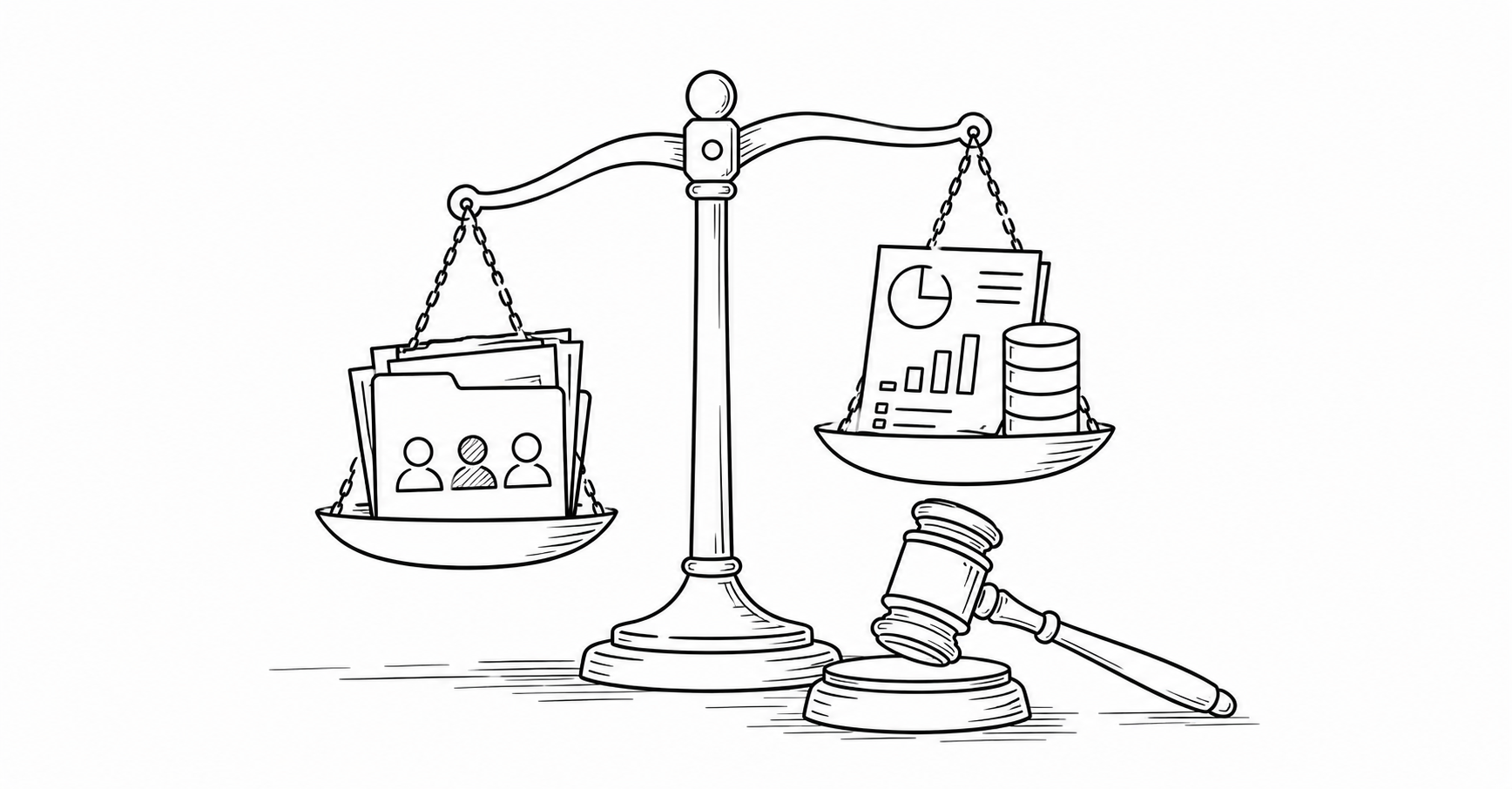
A federal judge ordered Workday on May 29 to turn over AI bias-testing data and applicant records as part of discovery in Mobley v. Workday, the closely watched class action alleging the company’s hiring algorithms discriminate against older, Black, and disabled job applicants. The case, filed by Derek Mobley in 2023, has already cleared two major legal hurdles other AI-hiring lawsuits haven’t: in 2024, Judge Rita Lin ruled Workday could be directly liable under federal civil rights law as an “agent” of the employers using its software, not merely a neutral tool. In May 2025, she granted preliminary collective certification under the Age Discrimination in Employment Act, opening the door for other rejected applicants over 40 to join the case. More than 11,500 employers use Workday’s platform, including over 60% of the Fortune 500.
The discovery order is important because it forces a level of transparency AI hiring vendors have mostly avoided. Workday’s defense has rested partly on the claim that its software merely implements criteria employers set, rather than making independent decisions about who advances. The court already rejected that framing once, finding the company’s software “is not simply implementing in a rote way the criteria that employers set forth, but is instead participating in the decision-making process by recommending some candidates to move forward and rejecting others.” The May 29 order pushes that finding into discovery: Workday now has to produce the actual bias-testing data and applicant scoring records that would show whether its algorithm in fact deprioritized older applicants, and by how much.
That distinction — between a vendor that executes a client’s stated criteria and a vendor that exercises independent judgment over who gets hired — is the legal hinge the entire AI hiring industry is watching. Mobley’s lawsuit names Workday specifically, but the same screening logic runs through hiring software at thousands of companies, and at least two other active cases are testing variations of the same theory. Swanson v. IBM, filed in May 2026, applies the identical age-discrimination argument directly against an employer’s internal use of AI rather than a vendor’s product. Kistler v. Eightfold AI, filed in January 2026, tests a different angle entirely — whether an AI hiring platform functions as an unregistered consumer reporting agency under federal credit-reporting law. None of these cases have reached a verdict, but together they’re building the first real body of case law on a question regulators haven’t settled: when an algorithm decides who gets an interview, who’s actually liable when it discriminates.
The opt-in window for applicants joining the age-discrimination collective closed March 7, 2026, which means the class of plaintiffs is now fixed even as the case moves into its merits phase. What happens next depends on what the bias-testing data Workday now has to produce actually shows. If it confirms a statistically significant pattern of excluding older applicants, the case moves toward the kind of disparate-impact finding that could reshape how every company using algorithmic hiring software has to document and defend its tools — not because they intended to discriminate, but because the system did, and the law increasingly treats that distinction as far less protective than employers have assumed.
— SSC Tech Desk | Social Storytellers Collective
Free, daily structural analysis like this lands in your inbox every weekday morning. Subscribe: https://246481934.hs-sites-na2.com/newsletter