
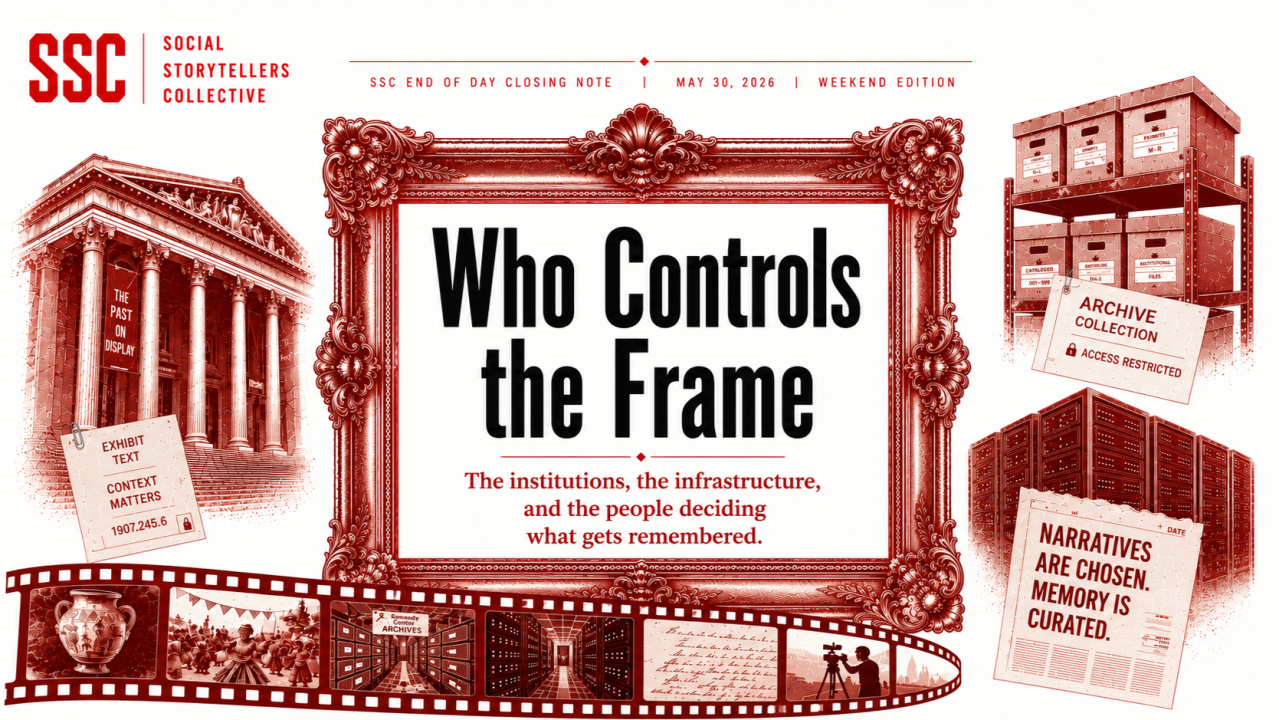
The institutions, the infrastructure, and the people deciding what gets remembered — End of Day Closing Note | May 30, 2026
The Roots Picnic is in Philadelphia tonight. Jay-Z headlines with The Roots for the first time in over a decade, Beyoncé already spotted in the crowd. SSC’s Will Davison Jr. was at the first one in 2008 — Amtrak down from Harlem, De La Soul on the stage, frankincense in the air — and wrote earlier this year about what that field meant then and what this lineup means now. That piece is worth revisiting tonight. The festival that started as a community gathering has become one of the most deliberate curatorial statements in Black music. What it has become is worth celebrating. The distance it has traveled is also worth naming. That gap — between what something was built to be and who it ends up serving — is exactly where tonight’s stories live.
June is two days away. The pools are opening, the out-of-office replies are starting to stack up, and every ad on your screen is trying to sell you a version of summer that looks like it belongs to someone else. That gap — between the summer being marketed and the summer most people are actually going to have — is exactly where tonight’s stories live. The distance between the version of things being sold and the version being lived is not incidental right now. It is the story. Across the economy, across culture, across the institutions that are supposed to hold memory and make room for more of us — the same dynamic keeps surfacing. Someone is deciding what gets built, what gets named, what gets preserved, and who gets to be seen on their own terms. And someone else is absorbing the cost of those decisions without being consulted. SSC is back today with all of it.
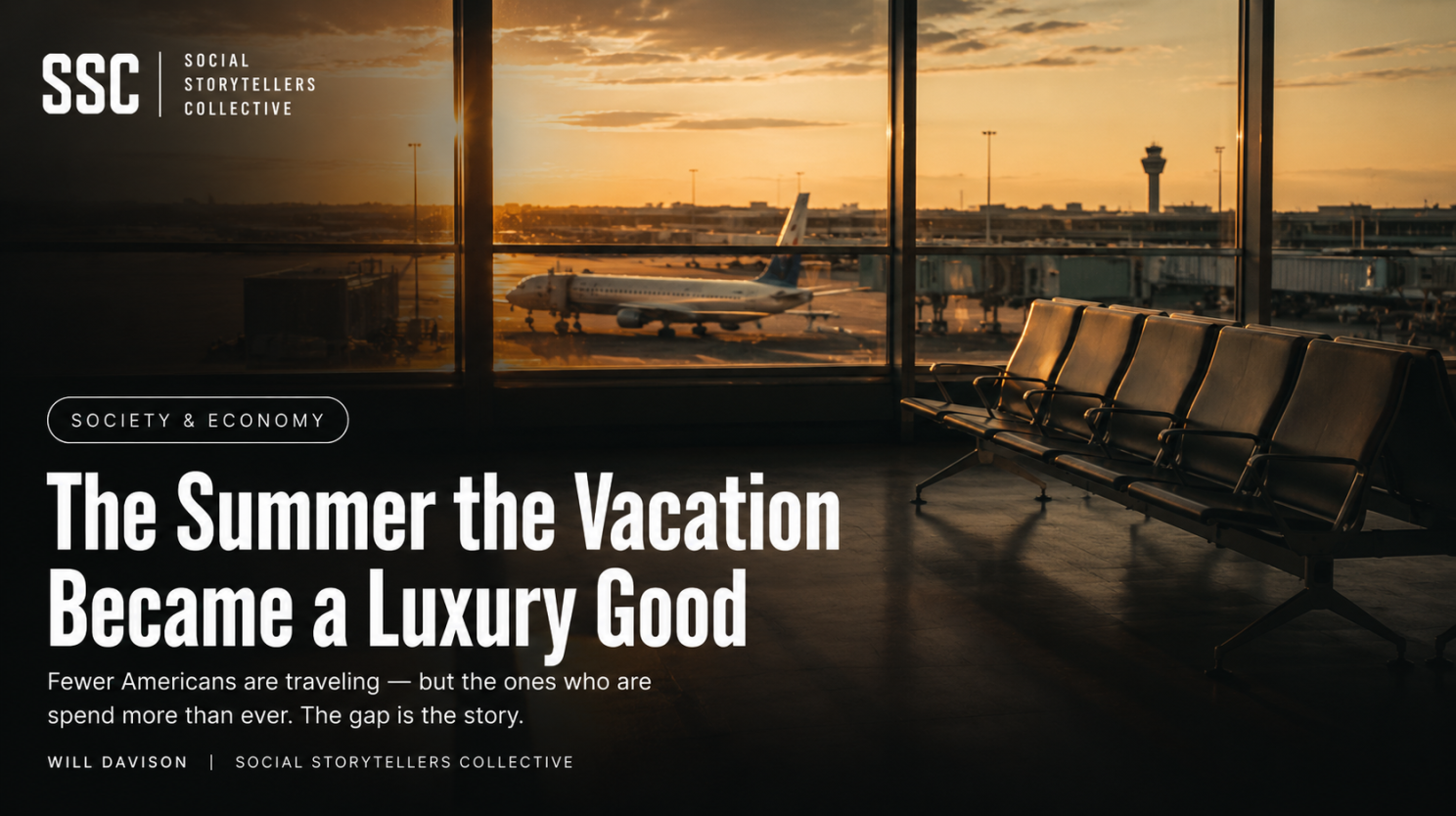
The Summer the Vacation Became a Luxury Good names what is actually happening underneath the summer travel headlines. Fewer Americans are traveling this summer than at any point in six years — and yet total travel spending is up. The math resolves the moment you understand that the people who dropped out of the count were the budget travelers: the families and workers for whom a trip was always a stretch, who finally ran the numbers and found the stretch had become a wall. What remains is a leisure economy that looks healthy on paper because the people it priced out are no longer in the denominator. Rest is not disappearing from the American economy. It is being sorted — upward.
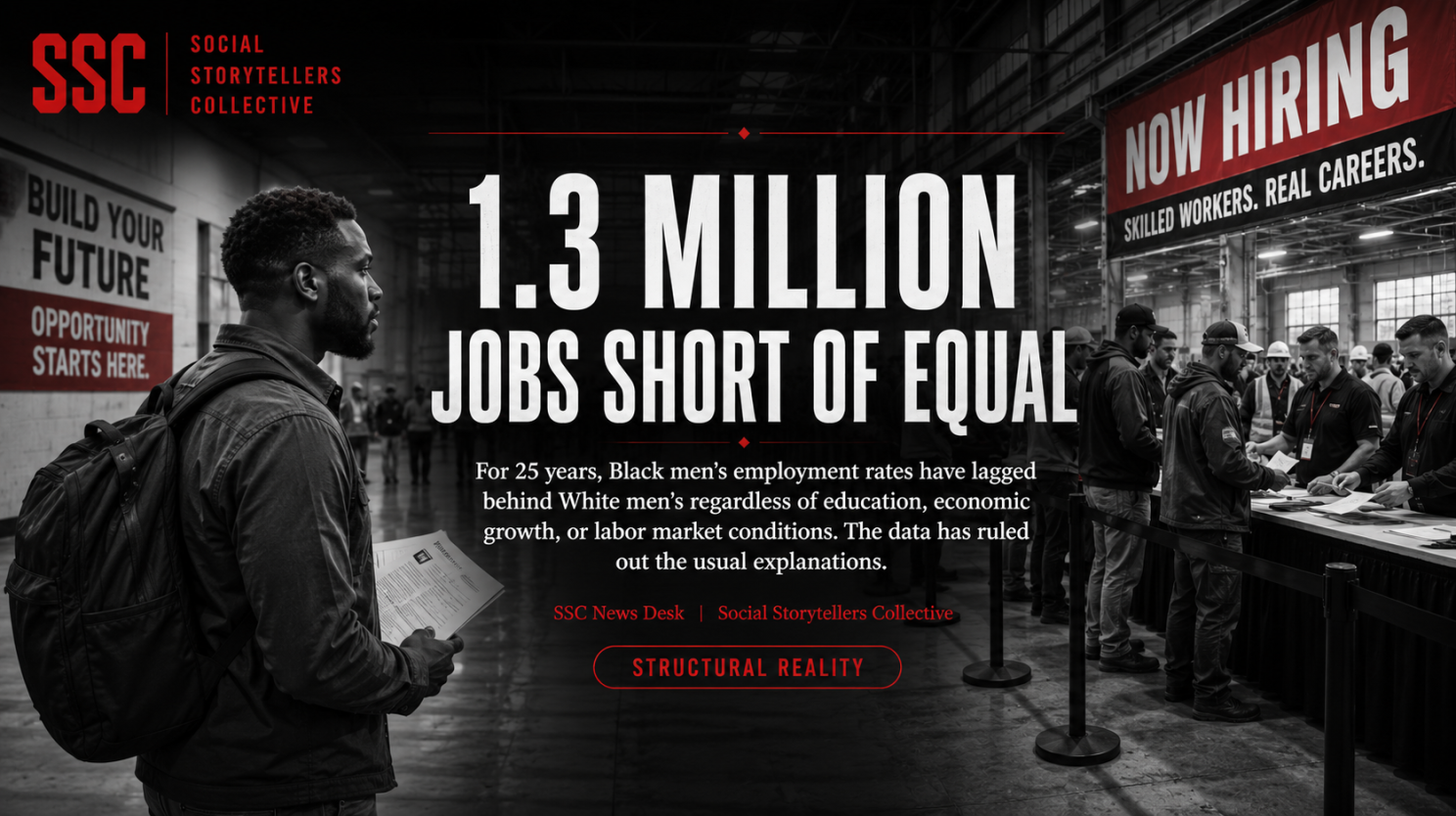
And while that sorting plays out at the leisure end of the economy, Bryson Davis reports today on what it looks like at the labor end — and the data is unambiguous. The Labor Market Has a Black Male Problem — and the Data Proves It’s Not About Skills draws on a new report from the Center for Economic and Policy Research by researcher Algernon Austin, released today, and the conclusion it forces is one that policy has spent a quarter century refusing to act on. Prime-age Black men — ages 25 to 54 — have averaged 11.4 percentage points below White men in employment every single year from 2000 to 2025. Not during recessions. Every year. The CEPR data dismantles every conventional explanation in sequence: Black men have higher educational attainment than Hispanic men, who have a substantially higher employment rate. Among young men with no high school diploma — where credentials are essentially irrelevant — the Black-White employment gap doesn’t shrink. It widens to 16.6 percentage points. A computer repair training study makes the mechanism explicit: Black and Latino participants achieved A+ certification at nearly identical rates — 53 and 54 percent — and after completing the program, Latino participants saw a meaningful employment gain while Black participants saw none. Same credential, same rate, different outcome. What remains after every excuse fails is discrimination. $65 billion in lost earnings in 2025 alone. 1.3 million jobs short of parity. And a policy record that has had this data for decades and chosen not to act on it.
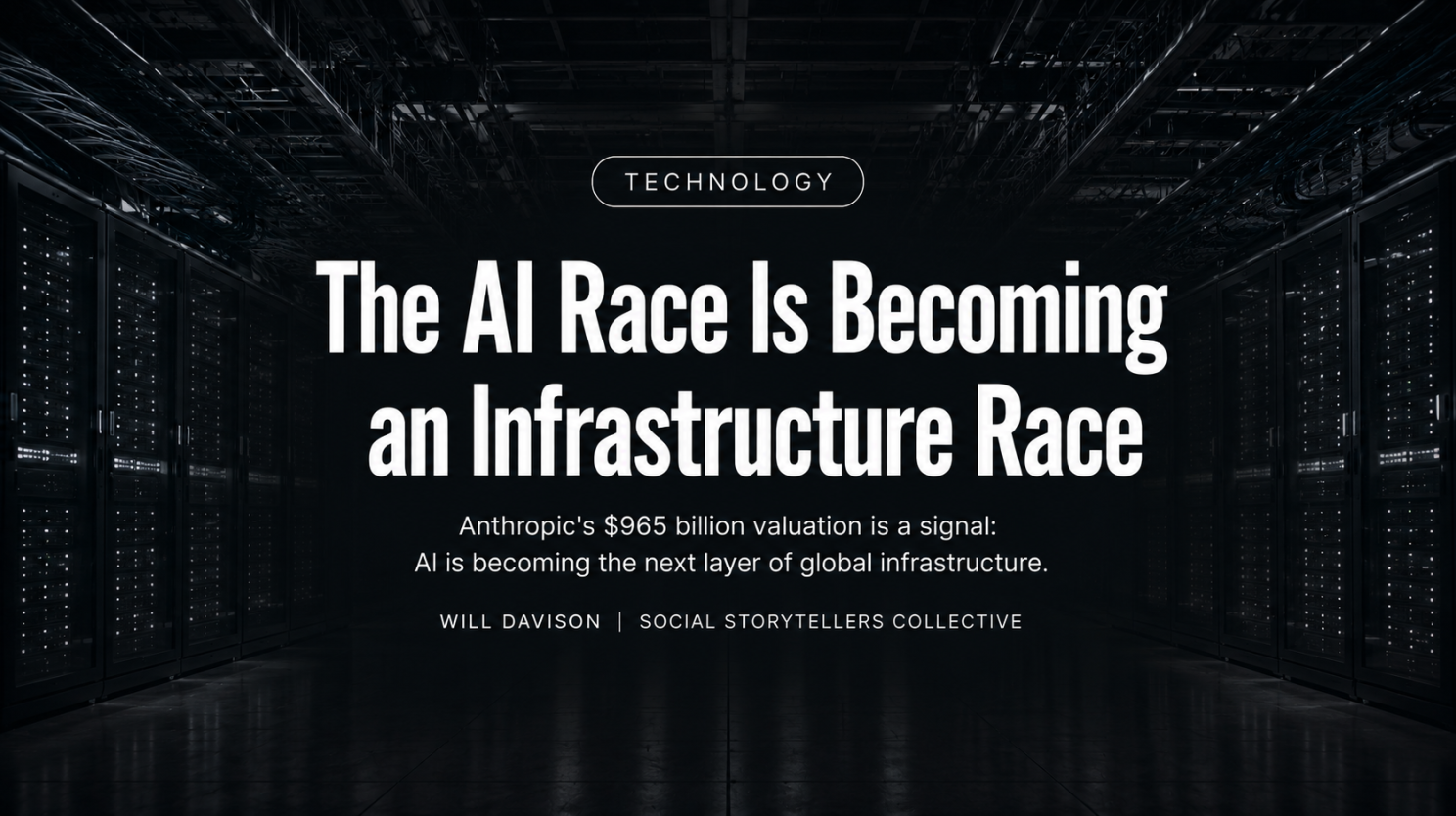
That same sorting logic is shaping the infrastructure being built to run the next economy. Will Davison Jr. reports tonight that the AI race is becoming an infrastructure race, and Anthropic ‘s $965 billion valuation is the clearest signal yet of what that means. This is no longer a story about competing chatbots or benchmark scores. The companies leading this sector are positioning themselves as the operating layer underneath everything else — the rails everyone else will have to rent. Amazon is the primary compute partner. The capital coalition backing this moment is not purchasing exposure to a technology; it is purchasing exposure to dependency. Every infrastructure transition this country has run followed the same pattern: gains accrued to the firms and shareholders who owned the new systems, disruption settled onto the workers those systems replaced, and the communities already on the wrong side of earlier divides entered the next era without a stake in what was being built. AI is that cycle again, running faster and across more of the labor market at once.
And the people who built that cycle are now walking back their own predictions about it. Brandon Crenshaw has the full accounting in The Correction Nobody Asked For. Sam Altman said today he was “pretty wrong” about AI’s economic impact. Dario Amodei has quietly reframed automation from job destroyer to productivity multiplier. Both OpenAI and Anthropic are preparing IPOs. The workers who spent the better part of 2025 in therapy offices, accepting worse terms, watching their employers use the AI displacement narrative as cover for margin-driven layoffs that had nothing to do with automation — they did not get a correction. They got a rescheduled narrative timed to a roadshow. Twenty-four percent of workers now say AI is negatively affecting their mental health. The apocalypse predictions were wrong. The damage they did was not hypothetical. And the correction arrived on a schedule that serves the people who made the mistake, not the people who lived inside it.
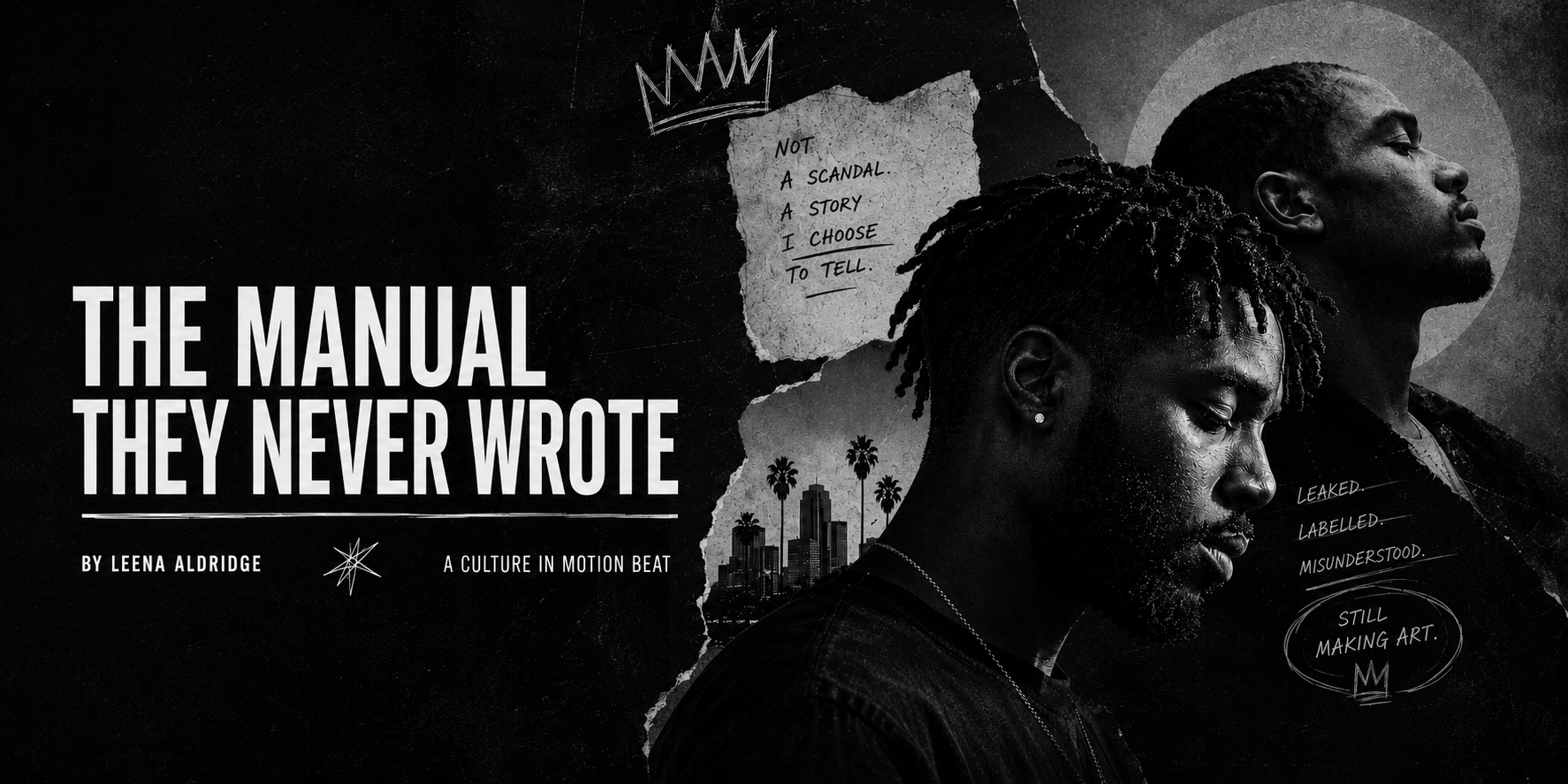
The question of who controls the narrative — and who absorbs the cost when it changes — doesn’t stay in the economy tonight. Leena Alridge takes it somewhere more personal in The Perks That Never Came. Isaiah Rashad, in a recent conversation with collaborator Dominic Fike for Pigeons & Planes, reflected on the years since his sexuality became public and named the absence plainly: he’d half-expected something like “Frank Ocean perks” — some version of the critical embrace that openness is supposed to confer. What he got instead was a label, and the sense that the label closed more doors than it opened. The piece asks the right question. Frank Ocean published a letter in his own words before Channel Orange dropped and walked into that conversation as its author. Rashad was never offered that sequence. His privacy was violated, explicit videos spread without his consent, and by the time he spoke, the conversation about him was already running without him. The advantages he imagined were not rewards for being out. They were the dividends of authorship. You cannot collect the perks of self-definition when self-definition was the thing taken from you.
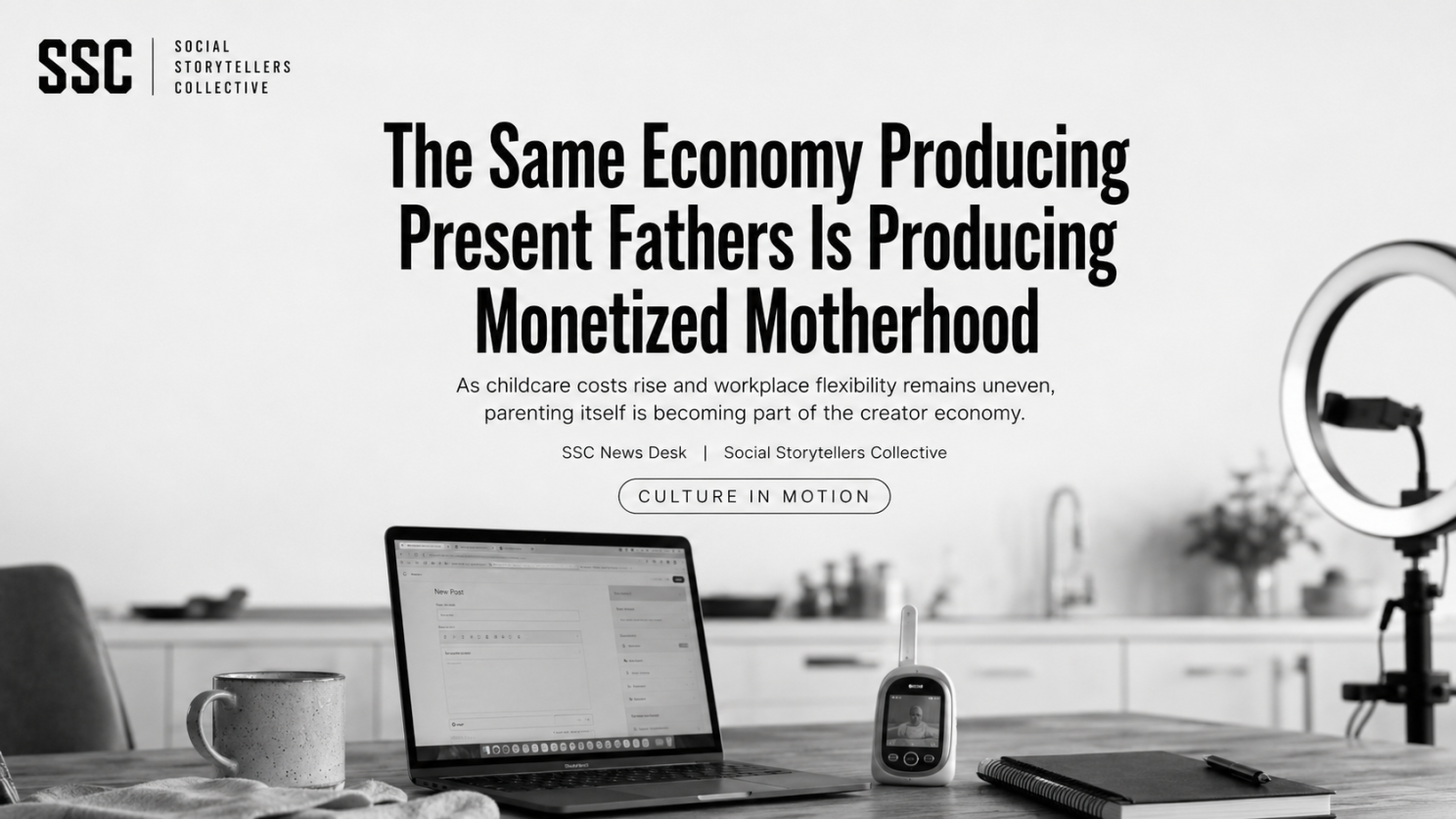
That structural imbalance plays out differently inside the household, but it follows the same logic. The Same Economy Producing Present Fathers Is Producing Monetized Motherhood — from the Social Storytellers Collective News Desk — looks at what happens when workplace flexibility is distributed unevenly. College-educated fathers are increasingly negotiating presence at home without sacrificing career mobility, and that gets framed as cultural progress. Meanwhile, mothers who can’t access the same institutional leverage are building parallel income systems around the labor they’re already doing: parenting becomes content, domestic routines become monetizable, the home becomes a production environment. The creator economy didn’t invent caregiving labor. It found a way to extract value from work the formal labor market has always underpaid. Both groups are responding to the same economy. They are just navigating it through different survival models, and the gap between those models is widening.
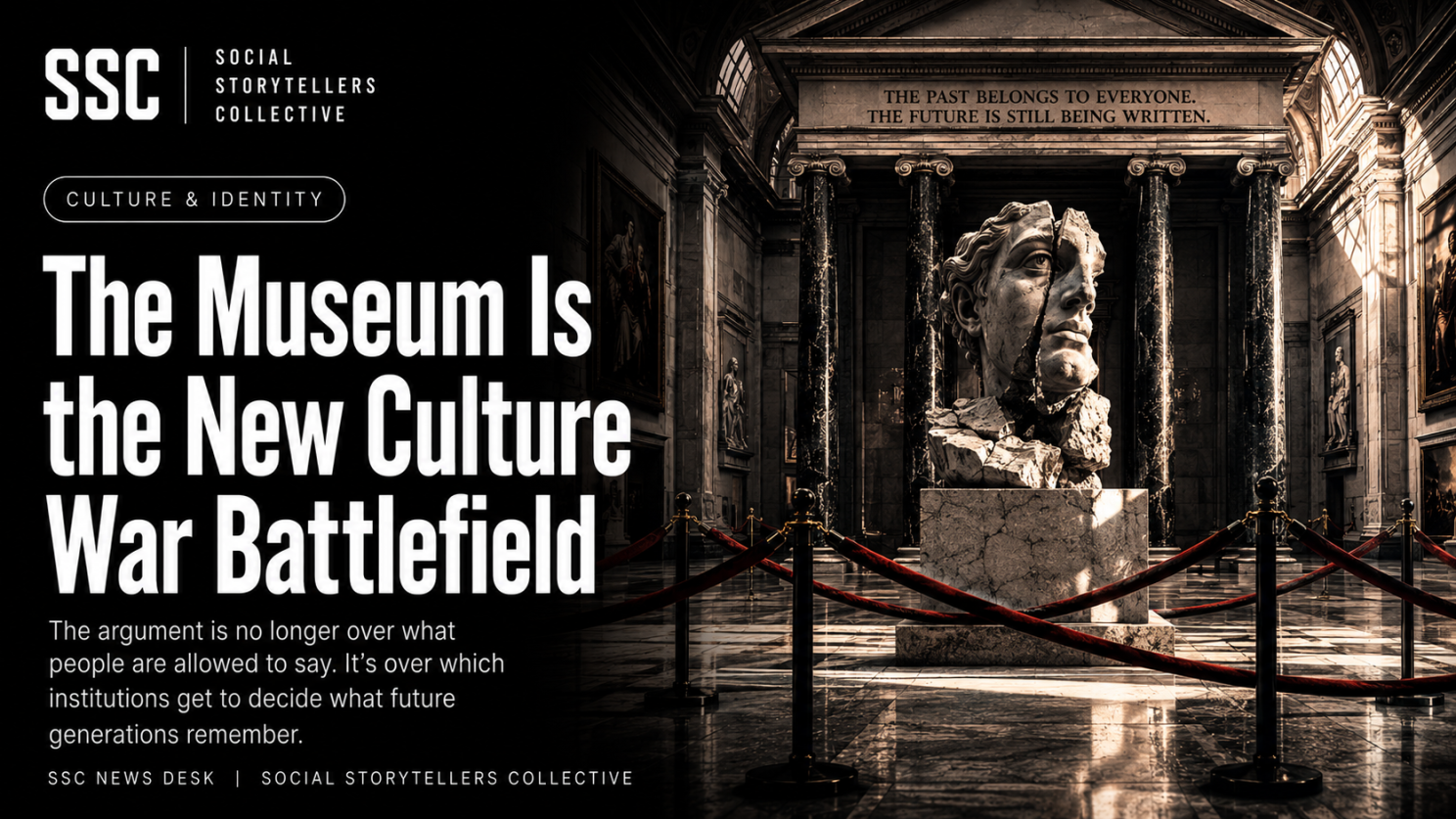
“The question of who decides what the public encounters first — and what that authority actually costs — runs through everything today. The Museum Is the New Culture War Battlefield makes the architecture visible.” The British Museum‘s decision to postpone a Jewish Culture Month lecture after learning protesters planned to disrupt it got absorbed almost immediately into the usual cycle — capitulation, safety, institutional cowardice, depending on who was writing. But the real story is more durable than any one controversy: the culture war has moved past speech and into the infrastructure of memory itself. Museums, archives, and cultural institutions are among the most contested spaces in public life today precisely because they confer a legitimacy platforms cannot. A museum exhibition can shape how a community understands itself for decades. The fight is over who controls the institutions that determine what gets preserved, displayed, funded, and called history at all — and more communities, having watched those decisions made without them, are no longer willing to call institutional authority neutral.
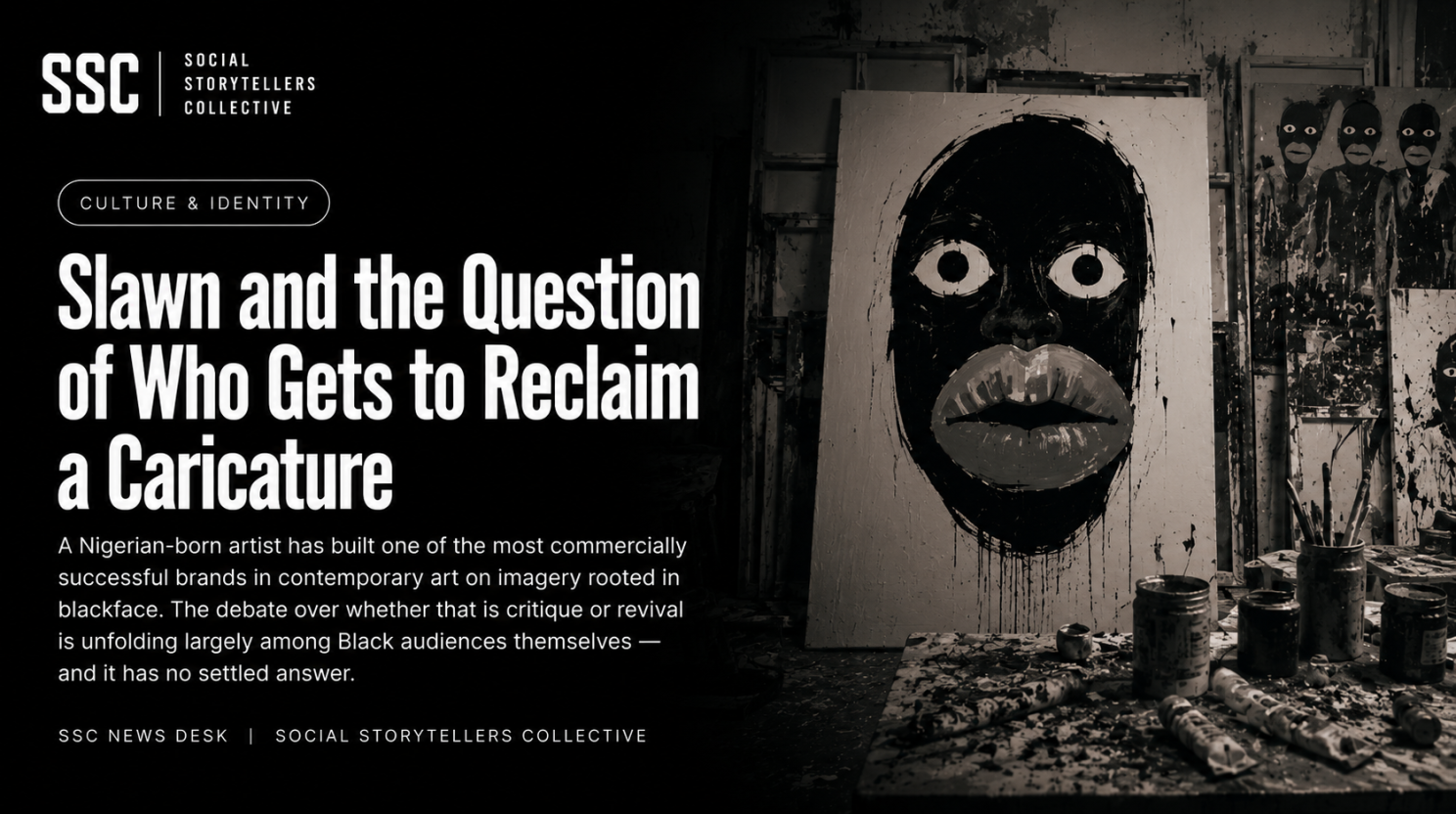
Slawn and the Question of Who Gets to Reclaim a Caricature lives in that same territory. Olaolu Slawn — Nigerian-born, London-based — has built one of the most commercially successful brands in contemporary art on a signature face: exaggerated features, oversized red lips, a recurring image rooted in blackface caricature. The most established gatekeepers in British culture have embraced it — the BRIT Awards trophy, the FA Cup, Sotheby’s, Saatchi Yates, Louis Vuitton. That embrace is precisely what alarms his critics, who argue that some images carry a historical charge too heavy for any individual artist’s intent to neutralize. His defenders place him inside a long tradition of artists who appropriate offensive symbols to confront audiences with them rather than let them fade into comfortable forgetting. What makes this debate distinct is that the sharpest disagreement isn’t between Black and white audiences — it’s among Black people across the diaspora, where cultural location and historical frame produce genuinely different readings of the same canvas. The galleries have settled the commercial question. The cultural one is still open.
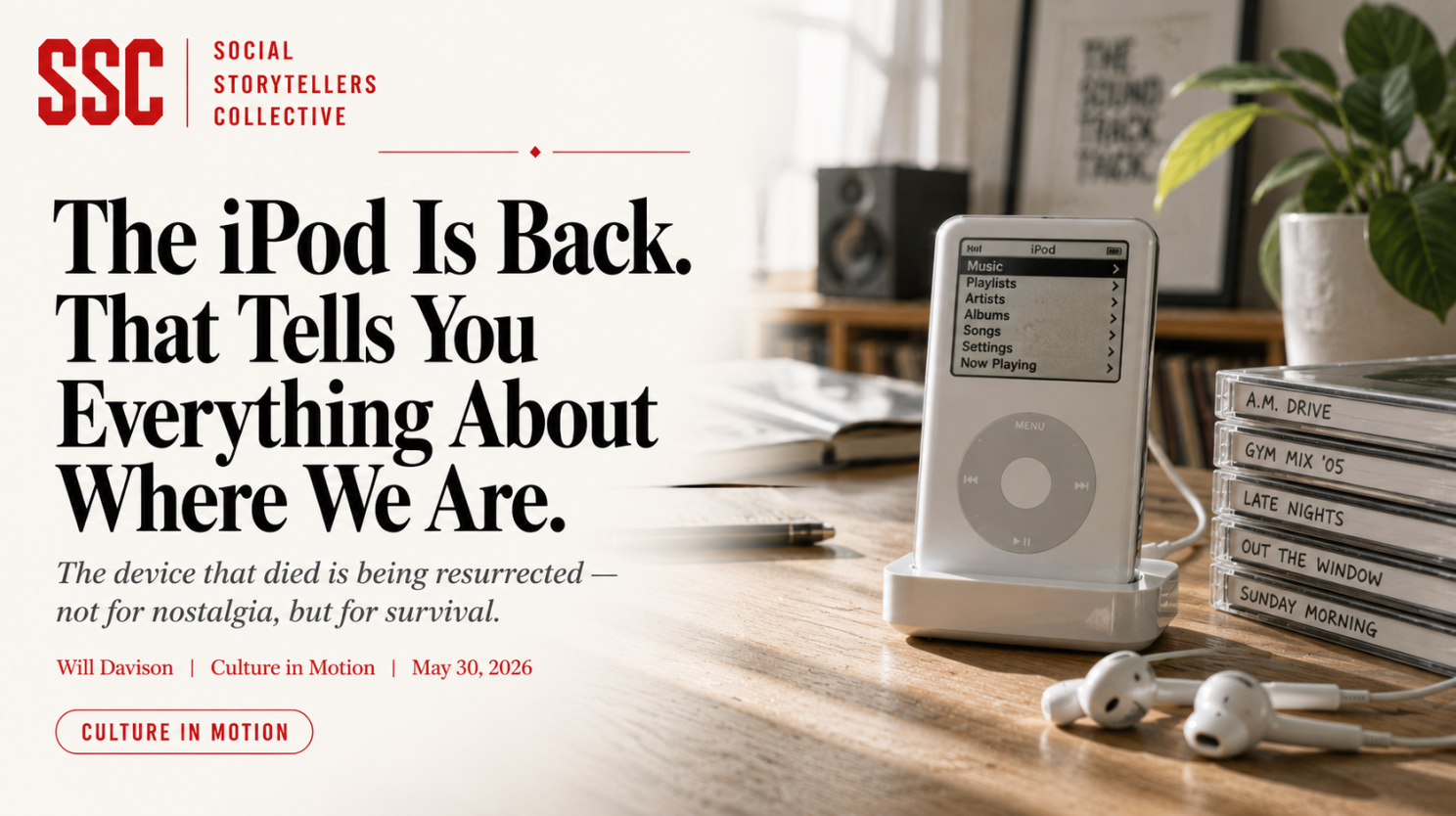
The attention economy has a tell — and it showed up this week in the secondhand electronics market. The iPod Is Back. That Tells You Everything About Where We Are. Four years after Apple discontinued it, refurbished iPod sales jumped 48 percent last year. The buyers are largely young people who never owned one the first time around — and they are not buying it for the nostalgia. They are buying it because it does one thing. It plays the music you put on it, in the order you arranged it, without tracking your engagement, serving you an ad, or deciding what comes next. In 2026, a device that does one thing without harvesting your attention has become something people will actively seek out and pay for. The piece traces what was lost when Apple quietly rolled back the ecosystem and Spotify moved in — the deliberate playlist, the music that belonged to you — and what the revival signals about where people are mentally right now. This is not a consumer trend. It is a verdict on what the current options are doing to people.
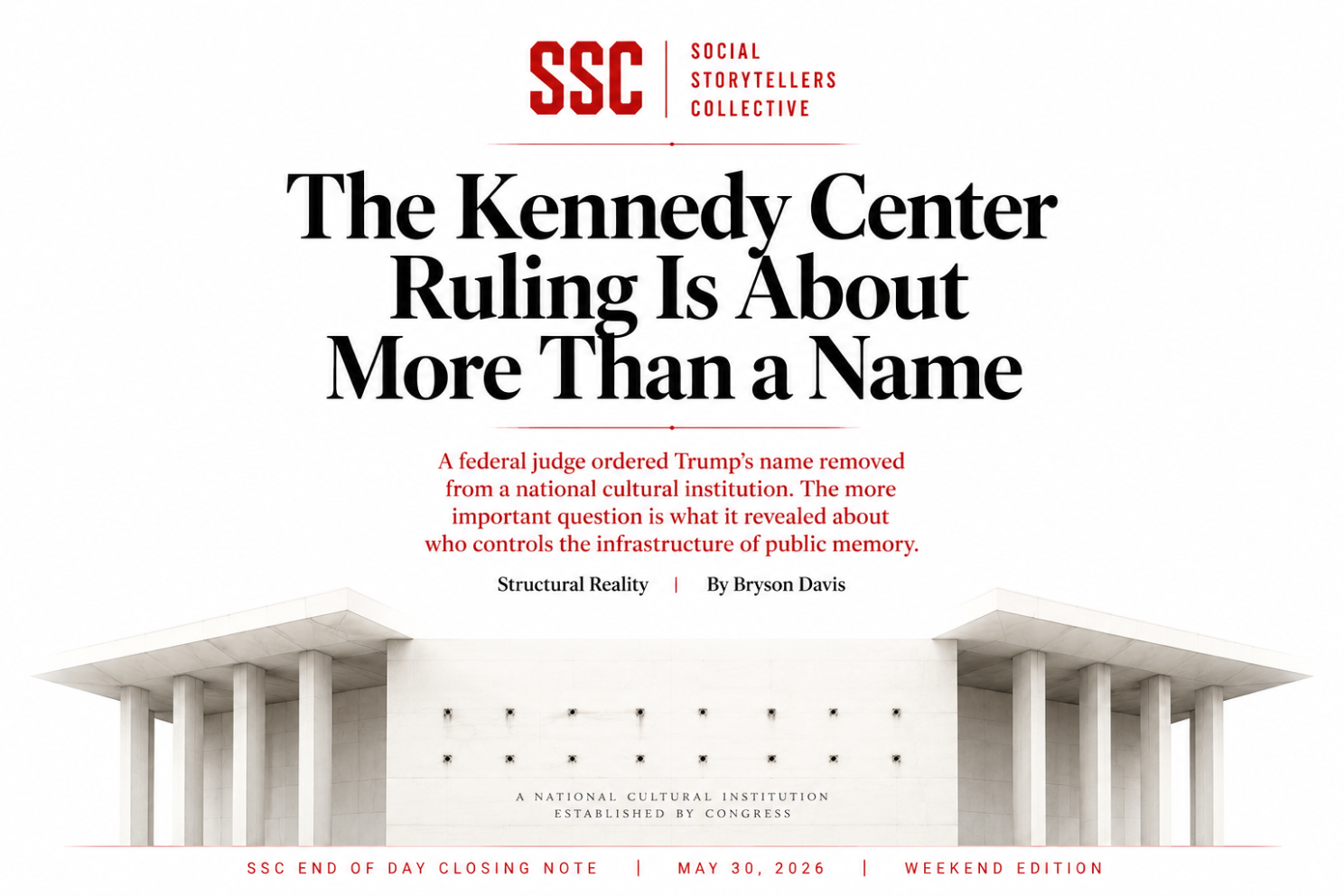
Two stories breaking today pull all of this into civic life directly. Bryson Davis reports that the Kennedy Center ruling is about more than a name. A federal judge ruled today that Trump‘s name must be removed from the building and its website within fourteen days, finding the board overstepped its statutory authority — Congress named the institution, and only Congress can rename it. The planned two-year closure for renovation is temporarily blocked. After the renaming, artists including Philip Glass, Renée Fleming, Stephen Schwartz, Béla Fleck, and the production of Hamilton canceled engagements. The renaming cost the institution the programming that defines it. The piece makes the larger argument: the fight is not about a name. It is about a pattern of institutional capture playing out across the cultural sector, and what happens when the institutions responsible for preserving public culture no longer have the capacity to protect that function when the pressure is political, sustained, and coming from the people who control their funding. And in Louisiana, lawmakers passed a new congressional map along party lines today that dismantles a Democratic-held, majority-Black district, boosting Republican odds of holding the House in November. The map comes one month after the Supreme Court struck down the state’s prior map as an illegal racial gerrymander — a ruling that weakened the 1965 Voting Rights Act and opened the door for exactly this. Rep. Cleo Fields‘ district is being redrawn around predominantly white communities. Governor Jeff Landry is expected to sign. Both stories are about the same question the museum piece raised: which institutions have the authority to decide what gets recognized and protected — and who bears the cost when that authority moves in the wrong direction.
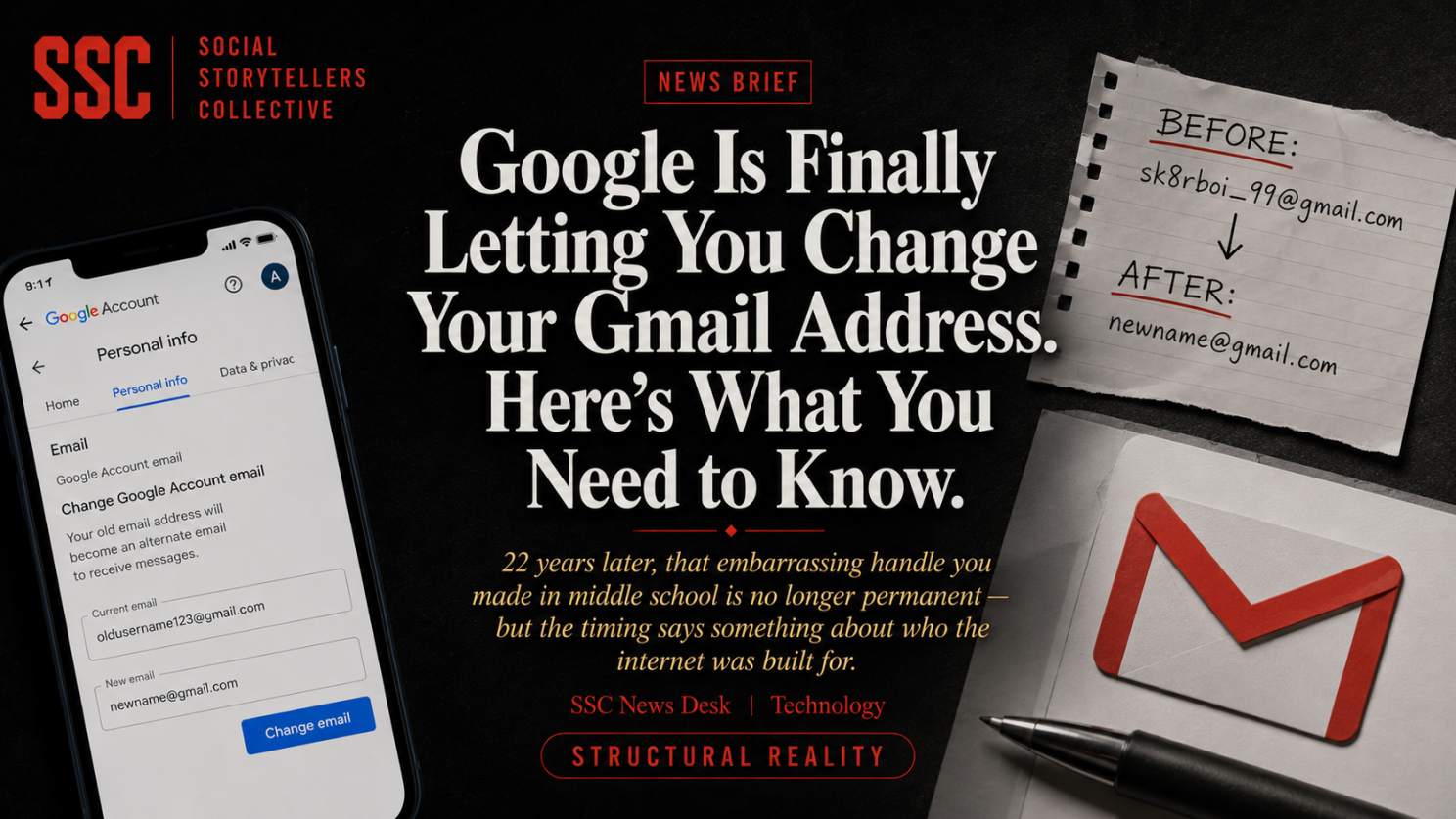
And because not everything today is a fight — Google Is Finally Letting You Change Your Gmail Address is a practical update worth knowing about, with a structural argument underneath it that fits everything else we covered today. Googlebuilt a system in 2004, handed it to teenagers, and left those teenagers — now adults navigating a credentialed economy — with no way to update the first impression that system created for them. A Gmail address is not just a communication tool. For millions of people it is a professional identity marker, the first thing a recruiter sees before reading a single word of a resume. Research on hiring discrimination has documented that contact details signal race, class, and background before credentials are ever evaluated. The fix Google is rolling out now is real and it is useful. The fact that it took 22 years to arrive — on a schedule that served the platform, not the people who needed the update — is the part worth sitting with. We have the full breakdown, including what you can and cannot do with the new feature, at the link.
Daily Visual Signal
A visual interpretation of the deeper systems, tensions, and structural shifts shaping the current moment — designed to translate complex societal changes into a single image.
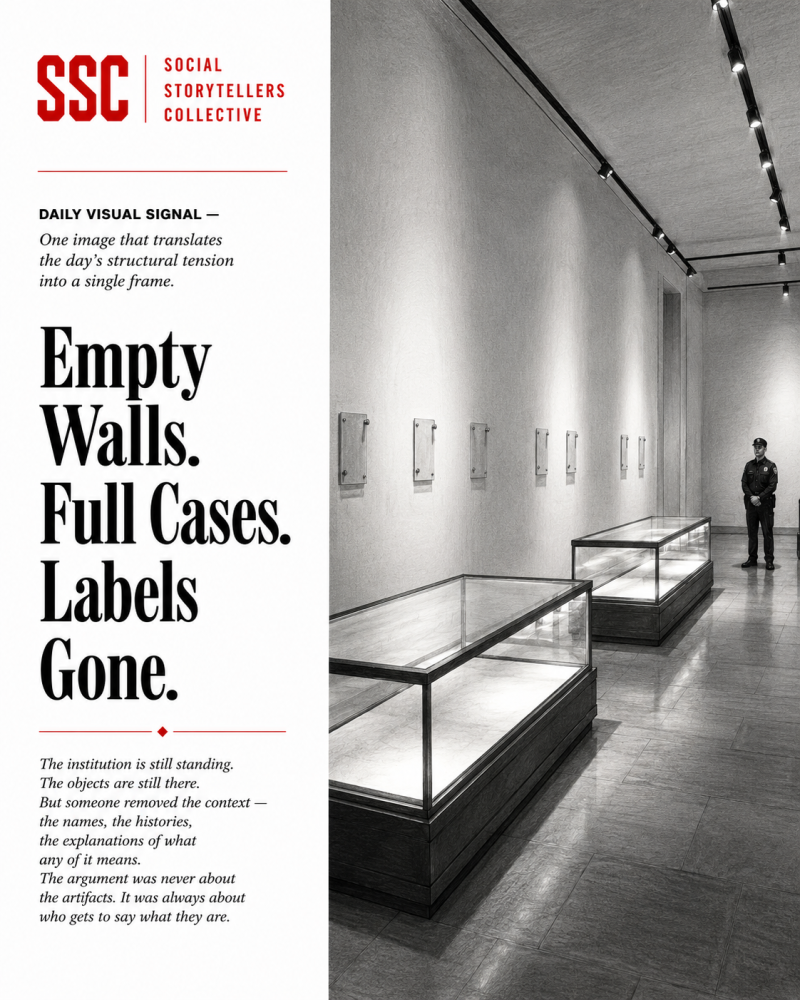
An empty exhibit hall. Track lighting overhead, white walls, placard brackets still mounted but blank — the labels removed. The cases are there. The objects are gone. In the corner, a security guard stands with nothing to guard. In small type along the baseboard: The argument is no longer over what people are allowed to say. It is over which institutions get to decide what future generations remember.
Featured Story
Can Cultural Identity Still Be Celebrated Without Becoming Political?
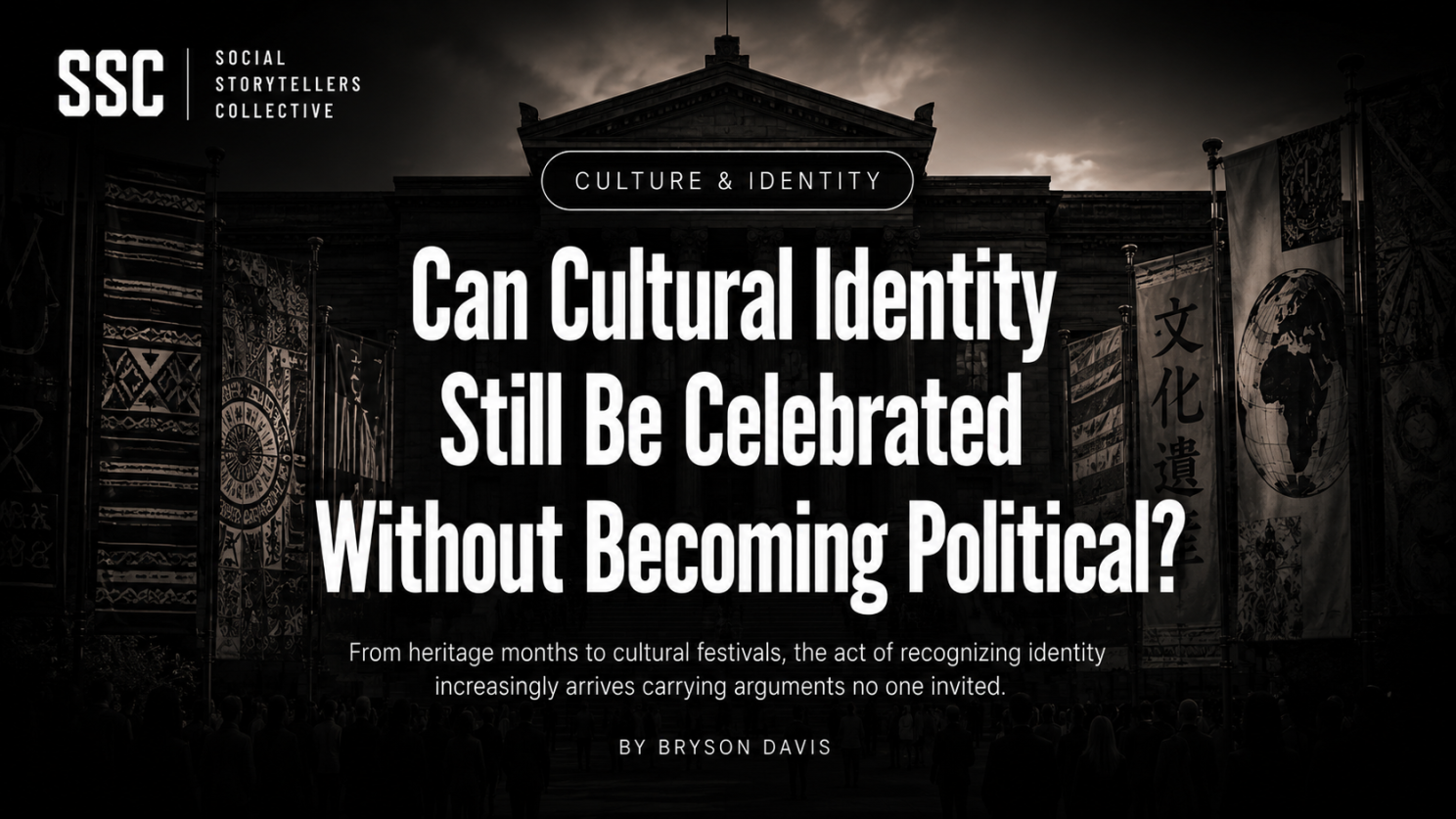
The framing is wrong from the start, and Bryson Davis says so directly. The question assumes that cultural identity and politics were ever meaningfully separate — that heritage months and cultural festivals once existed in some neutral zone where communities could simply be seen without that visibility carrying consequences. That zone never existed. Black History Month exists because Black history was systematically excluded from the institutions that produce and transmit official knowledge. Pride celebrations emerged from a movement simultaneously demanding legal protection and physical survival. Indigenous heritage programming carries within it an unresolved argument about land and sovereignty. These are not background contexts for the celebrations. They are the reason the celebrations exist. What has genuinely changed is not the nature of visibility — it is the infrastructure processing it, and that infrastructure was built to produce conflict rather than comprehension. The question that actually needs examination is not whether cultural identity will be political. That is settled. The question is whether the institutions processing that visibility were ever built to produce anything other than division. Read the full piece.
AI and its impact on creative labor is a story Social Storytellers Collective has been tracking closely — and most of what that tracking has turned up is damage. Displacement, exploitation, the systematic devaluation of creative work. That coverage is accurate and it is not stopping. But the full picture requires space for this too. The Associated Press is reporting on Samuel Smith, a London-based singer-songwriter diagnosed with Parkinson’s disease in 2020, who used AI tools to finish his second album when the disease took away his ability to play guitar. Smith hummed melodies into his phone, uploaded them into generators like Suno and Udio, and used the output not as finished product but as demos — a way to communicate his vision to the session musicians who recorded the final tracks. He still wrote the lyrics. He still heard the music. AI gave him a way to make what was in his head audible again. In a news cycle dominated by what AI is taking from workers and artists, Smith‘s story is a reminder that the same technology is also, in the right hands, an act of refusal — a way of saying the disease does not get to decide when the music stops. Read the full story at AP.
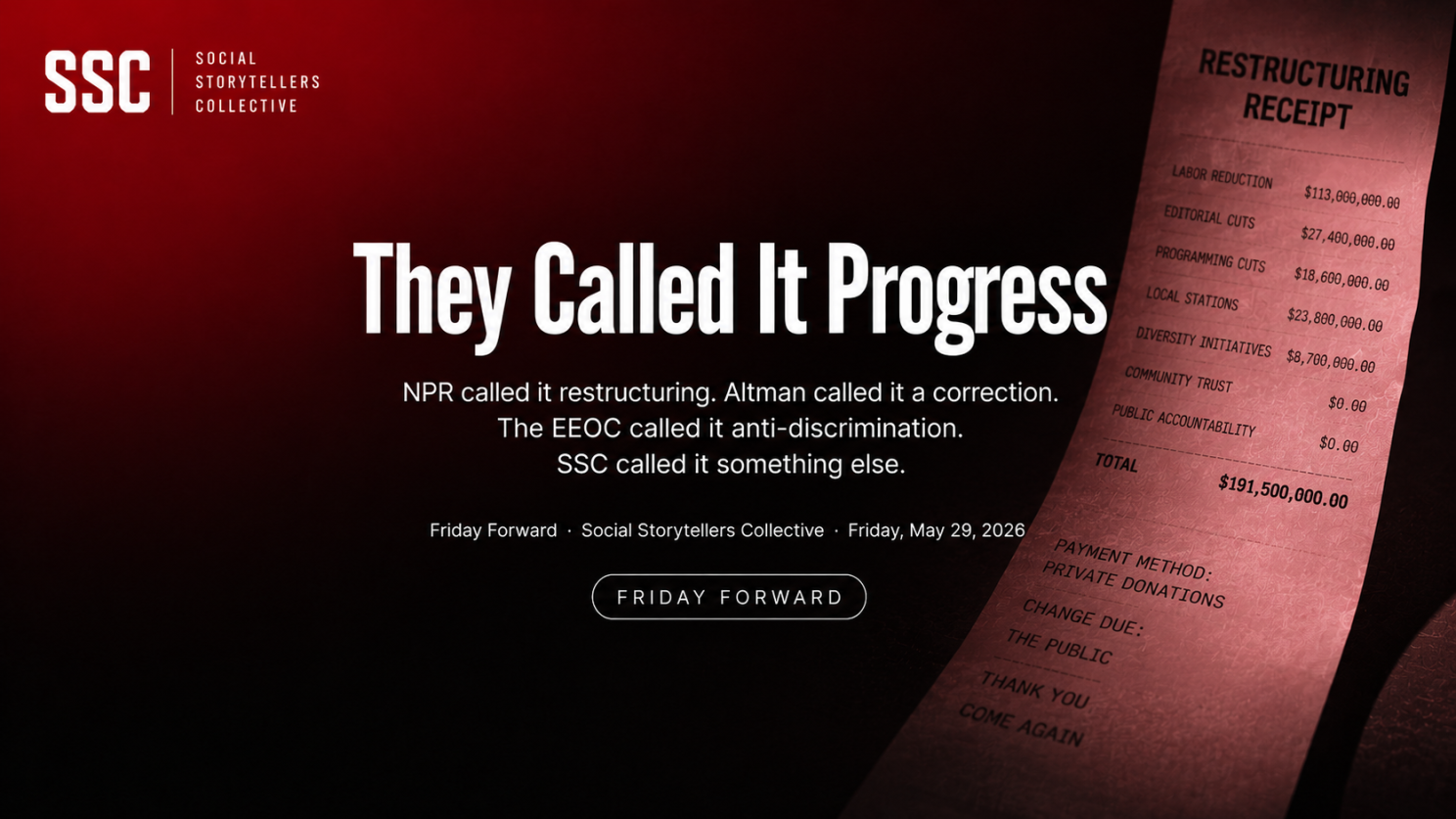
If you are not yet a subscriber to our weekly roundup — Friday Forward, which publishes every Friday — here is yesterday’s edition. They Called It Progress is the architecture of today in full: who controls the story, who pays when the story changes, and what fills the space when the institutions that were supposed to hold the line let go. The thread running through the NPR buyouts, the Gartner data on AI layoffs and ROI, the 650,000 Black men who exited the labor force since November and got a headline that called it stabilization, the EEOC now investigating Nike for attempting to diversify its workforce — it is the same thread running through every story in tonight’s edition. SSC‘s job is to read that distance clearly and name it honestly. That is what we did today.
Today’s edition is unified by a single question: who controls the frame — and who absorbs the cost when that control is exercised without accountability. The vacation economy is sorted upward. The labor market’s Black employment gap is documented and ignored. The AI narrative was corrected on a schedule that served the people who got it wrong. Isaiah Rashad never got to author his own story. The museums are being fought over because memory is power. The Kennedy Center and Louisiana’s redrawn map are the same argument wearing different clothes. What SSC tracked today, across every beat, is the distance between the version of things being managed and the version being lived — and the institutions, the infrastructure, and the people deciding which version becomes the record. We will be watching.
We will be back on Monday with more. — SSC
All of today’s coverage lives at socialstorytellers.substack.com. The full archive, beat navigation, and every linked piece are best experienced on a computer. If you have been reading and have not yet subscribed, we would be glad to have you with us.