
His new partnership with Depend is a different argument entirely — and it says something about where masculinity branding is headed.
For decades, superstar athletes sold an image of physical perfection. They endorsed trucks, razors, luxury watches, and protein powders. The message was simple: strength meant control. The body performed without limitation, and if it didn’t, the public wasn’t supposed to know.
This week, Deion Sanders appeared on national television discussing a new partnership with Depend, following his public disclosure of the health challenges that followed his bladder cancer surgery. The product is not remarkable. The person selling it is.
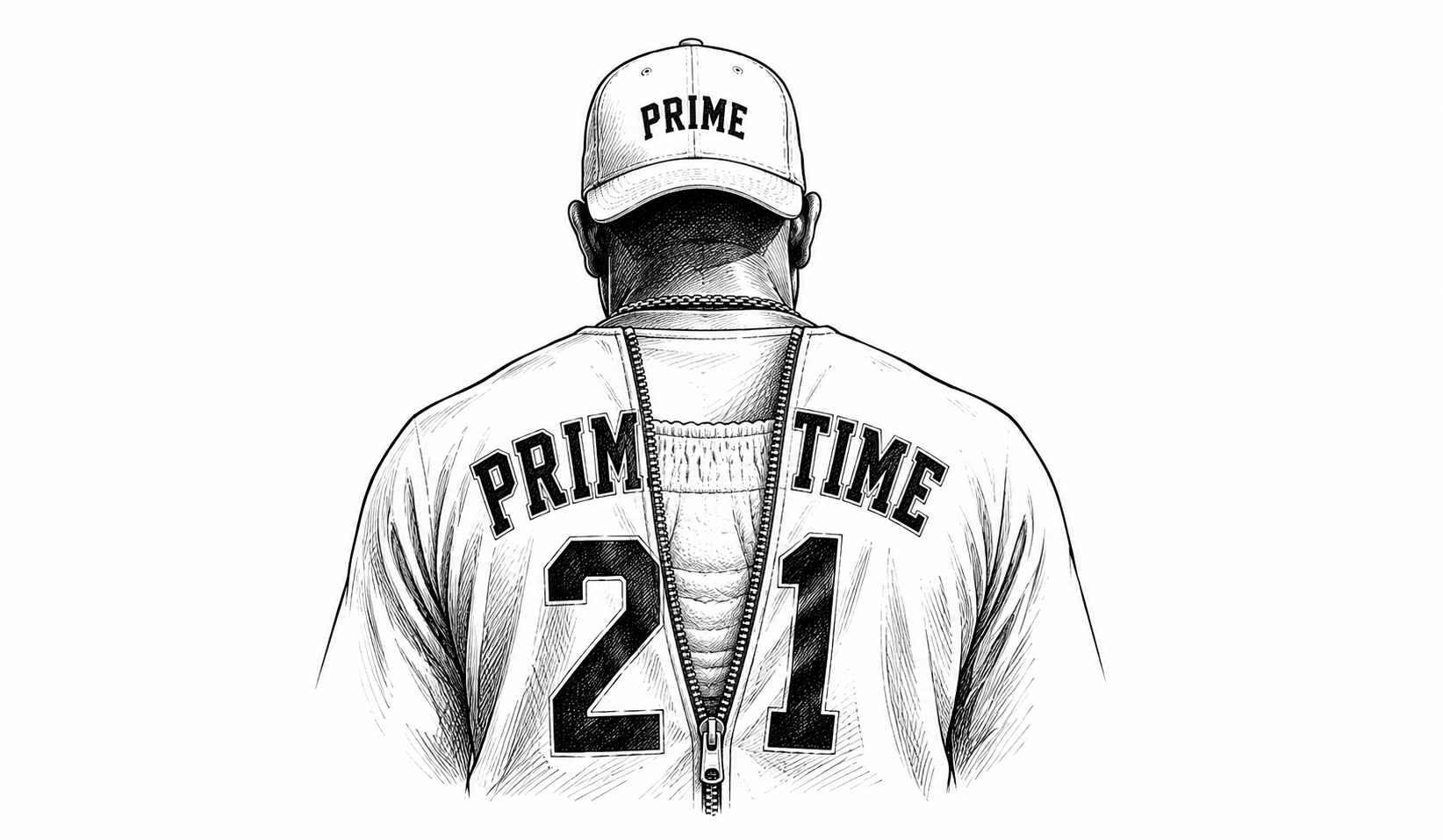
For most of his career, Sanders was “Prime Time“ — a carefully constructed symbol of confidence, speed, swagger, and abundance. His brand was built on winning, style, and the appearance of being untouchable. In another era, acknowledging a medical condition that required protective underwear would have been treated as a threat to that image. Instead, Sanders made it part of his public story.
That decision reflects a broader shift SSC has been tracking all month. The internet tells us masculinity is becoming more flexible, but its behavior often suggests otherwise — audiences police men who deviate from expected performances of masculinity, turning clothing choices, grooming, and even travel decisions into referendums on identity and authenticity.
Illness operates differently. It introduces a reality that performance cannot fully conceal.
Millions of men experience urinary incontinence, particularly after prostate or bladder cancer treatment, but the condition has long carried enough embarrassment that many avoid discussing it at all. Sanders is using one of the strongest personal brands in sports to normalize a conversation most men have avoided privately for years. The endorsement functions as something larger than advertising — it argues that vulnerability and strength are not opposites.
The public response illustrates how masculinity branding is changing. Audiences still admire confidence, but increasingly reward authenticity grounded in lived experience over manufactured relatability. Sanders is not abandoning the “Prime Time“ persona. He is expanding it to include survival, recovery, and adaptation.
The larger story is not that Deion Sanders is selling Depend. It is that one of sports’ most recognizable symbols of invincibility has decided that credibility no longer comes from pretending the body never fails. It comes from acknowledging that it does — and continuing to lead anyway.
If the last generation of male celebrity branding was built on the illusion of perfection, the next generation may be built on something harder: the willingness to be seen as human.
— SSC News Desk | Social Storytellers Collective
Related SSC Analysis: Rick Ross Wasn’t Mocked for Flying Commercial. He Was Mocked for Breaking the Character. — The same mechanism from the opposite direction: what happens when a celebrity’s public reality contradicts the brand, rather than expands it.
Get SSC analysis delivered to your inbox every day. Subscribe free on Beehiiv: socialstorytellerscollective.beehiiv.com