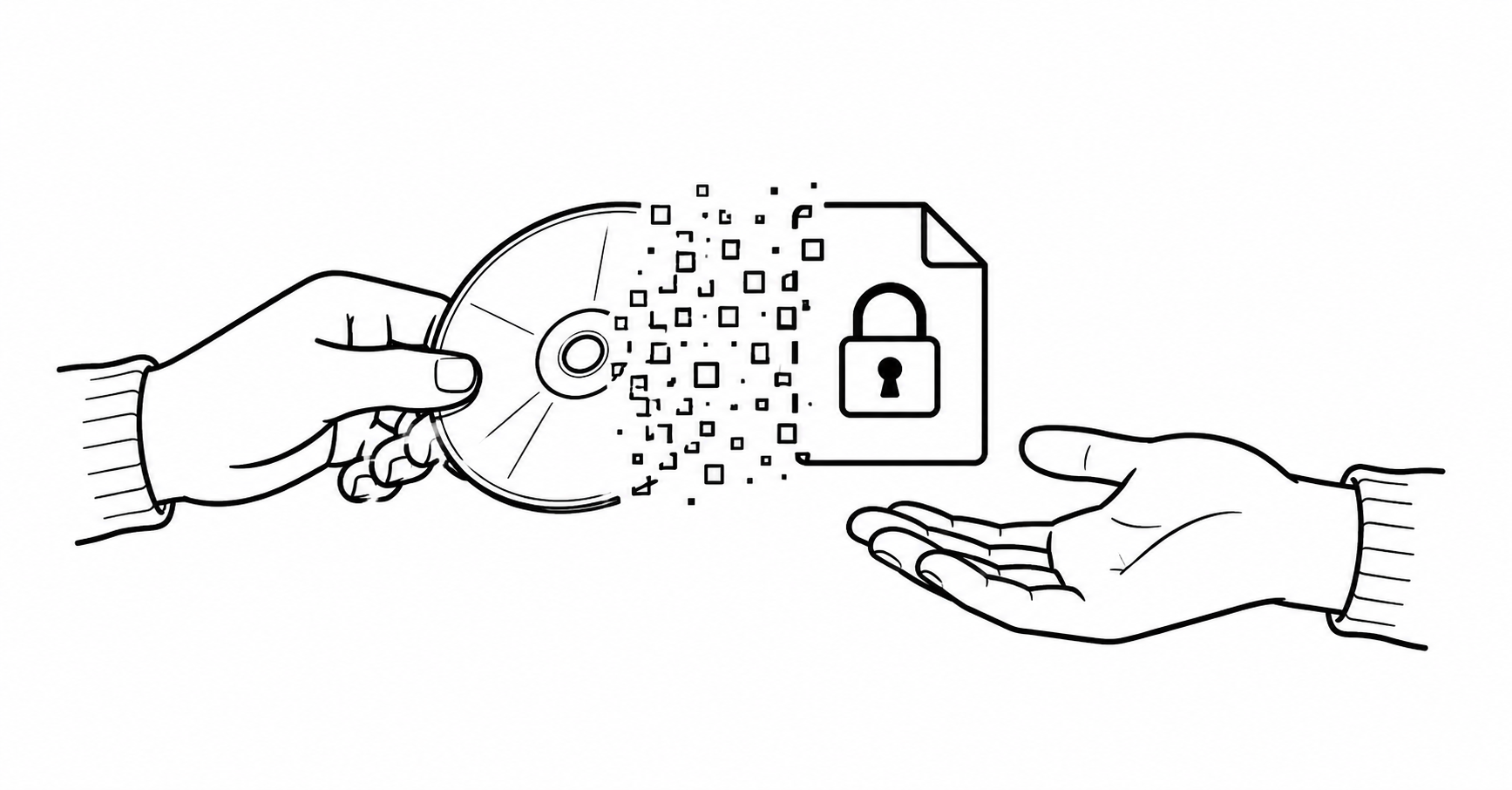
When the Last Disc Ships, Nobody Will Own a Game Again
Sony will stop pressing PlayStation games to disc in 2028. What ends with the disc is the ability to own a game, lend it, resell it, or keep it after the company stops selling it.
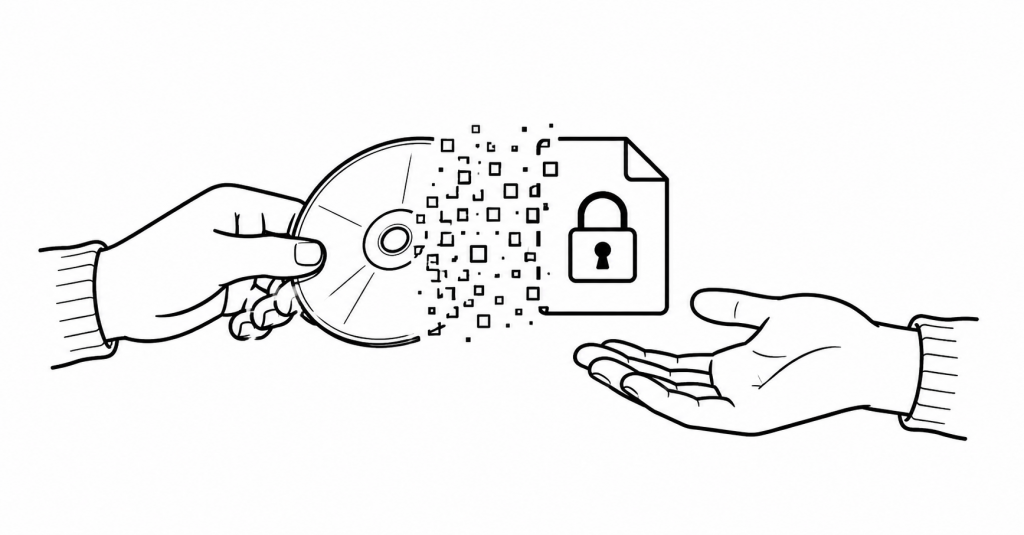
Sony said it will stop releasing new PlayStation games on physical optical discs from January 2028, citing consumer preference for digital media, and will offer new titles through the PlayStation Store and other digital retailers, AFP reported via France 24. The stated reason is accurate. Most players do buy digitally, and have for years. What the announcement does not describe is what the disc was doing besides carrying data, and that function has no digital equivalent.
A disc is a transferable object. The person holding it can lend it to a friend, sell it to a stranger, keep it in a closet for fifteen years, or leave it to someone. None of those actions require the publisher’s participation or continued existence. A digital purchase is a license to access a file on terms the seller sets and can change, tied to an account that can be suspended, on a storefront that can be shut down. When the storefront closes, the library goes with it, and this has already happened repeatedly across the industry to games people paid full price for.
So the transition being described as a format change is a change in the legal character of the purchase. The word buy stays on the button. What it refers to is different, and the difference only becomes visible in the situations where it matters, which are rare individually and certain in aggregate.
Consider the used market, which the disc supported and the license does not. A used game market performs several functions at once. It sets a floor under the effective price of a new game, because a buyer knows part of the cost is recoverable. It gives players with less money access to titles at a fraction of release price. It keeps games in circulation after publishers stop selling them. Removing physical media removes all of that at once, and the party that gains is the publisher, which now captures every transaction rather than only the first.
That is the redistribution. The value that used to circulate among players, and among the retailers who handled resale, now returns to the platform. Nothing about consumer preference for downloads required this outcome. Sony could sell digital licenses that transfer between accounts. The technical obstacles are not serious. It is not doing that, and the reason is that non-transferability is the commercially superior arrangement for the seller.
Preservation is the other loss and it is close to total. Video game history has survived largely because copies existed in private hands, outside the control of the companies that made them. Museums, archives, and researchers work from physical media, because a company that has removed a title from its store has no obligation to provide it to anyone and often no longer possesses a usable build. A generation of games distributed only as licenses on servers is a generation whose survival depends entirely on the continued commercial interest of the companies that published it. That interest reliably expires.
The access question compounds it. A digital-only library assumes a household with sufficient bandwidth to download games that now routinely exceed 100 gigabytes, a storage budget to keep them, and a payment method attached to an account. Physical media required none of that. It required a store, cash, and a shelf. Rural households on limited connections, families sharing one device across children, and buyers without banking access all functioned in the disc market and are marginal in the download market. The preference Sony cited is real and it was measured among people who already had the infrastructure to express it.
The pattern is not confined to games. Music, film, and television have moved the same way, and the outcome has been consistent: catalogs become conditional, titles disappear without notice, and the version available is the version the licensor currently wants shown. Physical media is the only format that resists that, which is why its elimination keeps being framed as a response to demand rather than as a strategic choice.
January 2028 is far enough out that the announcement functions mostly as notice, and there is a window in which the terms could still be negotiated. Nothing about ending disc production requires that digital purchases remain non-transferable, that libraries evaporate when a store closes, or that a publisher retain the ability to remove a purchased title from an account. Those are separate policy choices that have traveled alongside the format shift without ever being argued for on their own.
The leverage to raise them exists in a way it did not for music or film. Console platforms are regulated markets in several jurisdictions, subject to active competition scrutiny, and the terms attached to digital purchases are exactly the kind of contract term regulators have shown willingness to examine. Whether anyone raises it in the next eighteen months is a different question from whether it could be raised.
Expect the disc to survive briefly as a premium collector product, sold at a markup for special editions, which will be presented as continued support for physical media and will function as its opposite. Once the format exists only as a luxury good, the ordinary purchase is a license by default, and the question of what buying a game means will have been settled without ever having been asked.