
Top Stories in Today’s News Cycle for April 2, 2026
Drops daily at 10AM
Each headline links to the full story.
What’s moving—and why it matters.
We’re back in your inbox this morning.
If yesterday was about setting the tone, today is about continuing the rhythm—showing up with clarity as the news cycle keeps moving faster and getting harder to make sense of.
The challenge isn’t access to information. It’s interpretation. Headlines come and go, but understanding what they signal—and how they connect—is where the real value is.
That’s the role of The SSC Daily Brief.
Each morning, we’re bringing you a curated read on the stories shaping culture, systems, and the economy—focused not just on what’s happening, but what it reveals about where things are headed and who it impacts.
Here’s what’s moving today.
1. After the Boycott, the Harder Question: Where Does the Dollar Go?
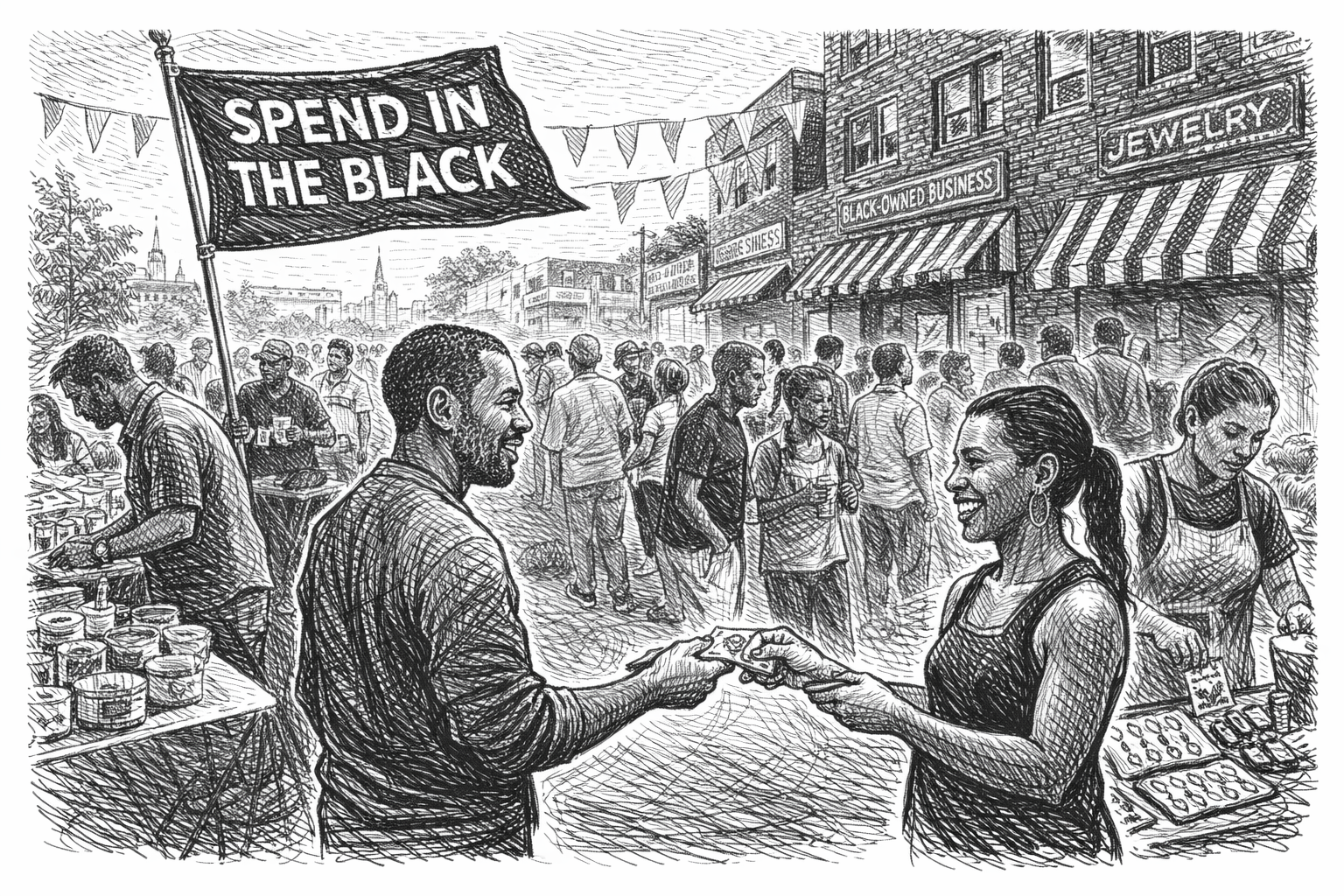
“Spend in the Black” isn’t a protest. It’s a test of what happens when economic power is intentionally concentrated within a community.
What comes after the boycott matters more than the boycott itself. The question is no longer where money is withheld—it’s where it is redirected, and whether that shift can build something lasting.
2. The Gap Isn’t Just Wide — It Compounds
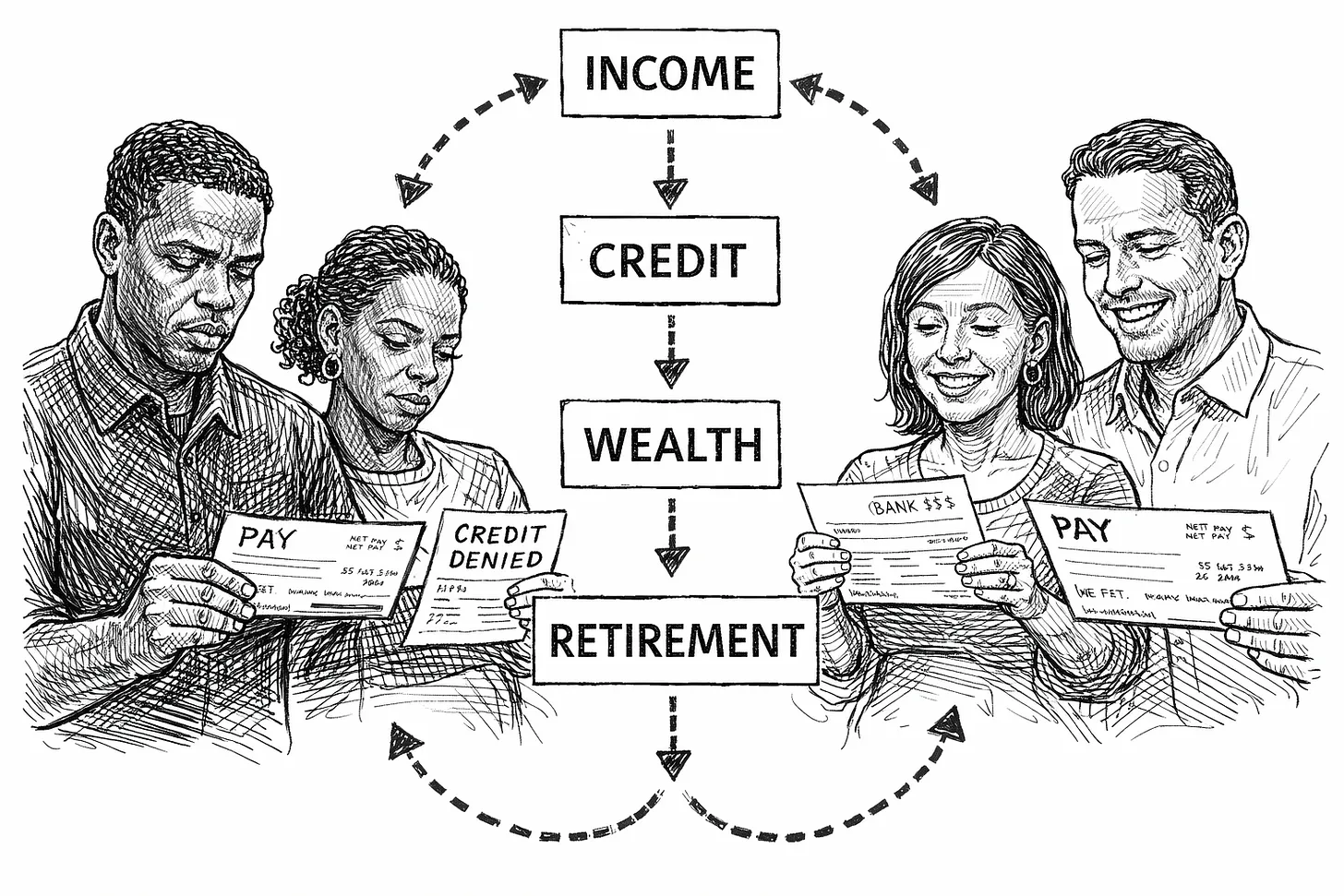
New data shows that disparities across income, wealth, and credit are not isolated—they reinforce each other.
The issue isn’t just inequality. It’s structure. Each gap feeds the next, creating a system that sustains itself over time.
3. He Made the Song — But Didn’t Own the Outcome
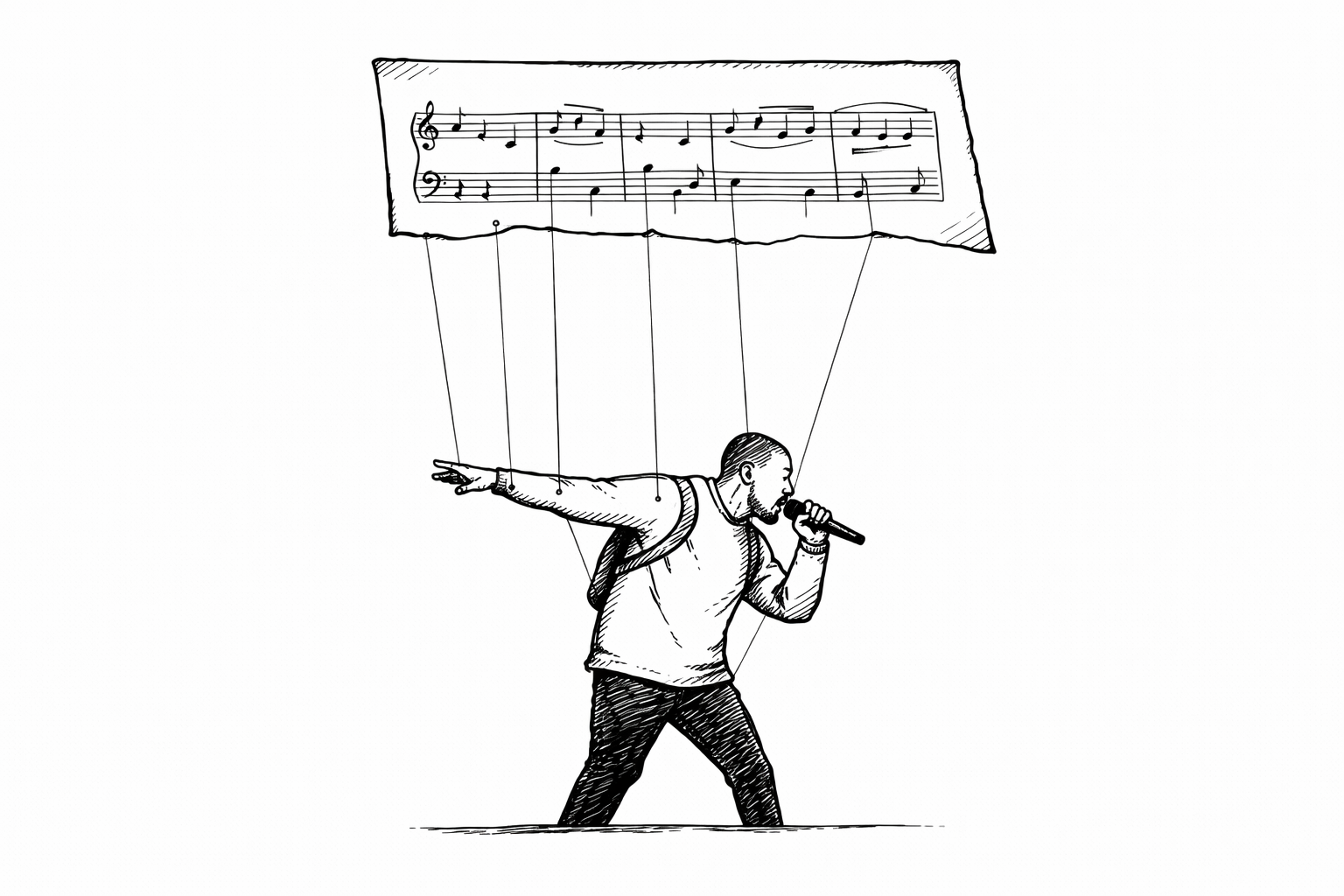
A behind-the-scenes explanation of a Kanye West sample reveals a larger truth about ownership in music.
Creative control and economic control are not the same thing—and for many artists, especially those working within sampling traditions, that gap has long defined the industry.
4. We Know What Elon Is Doing. We’re Still Logging On.
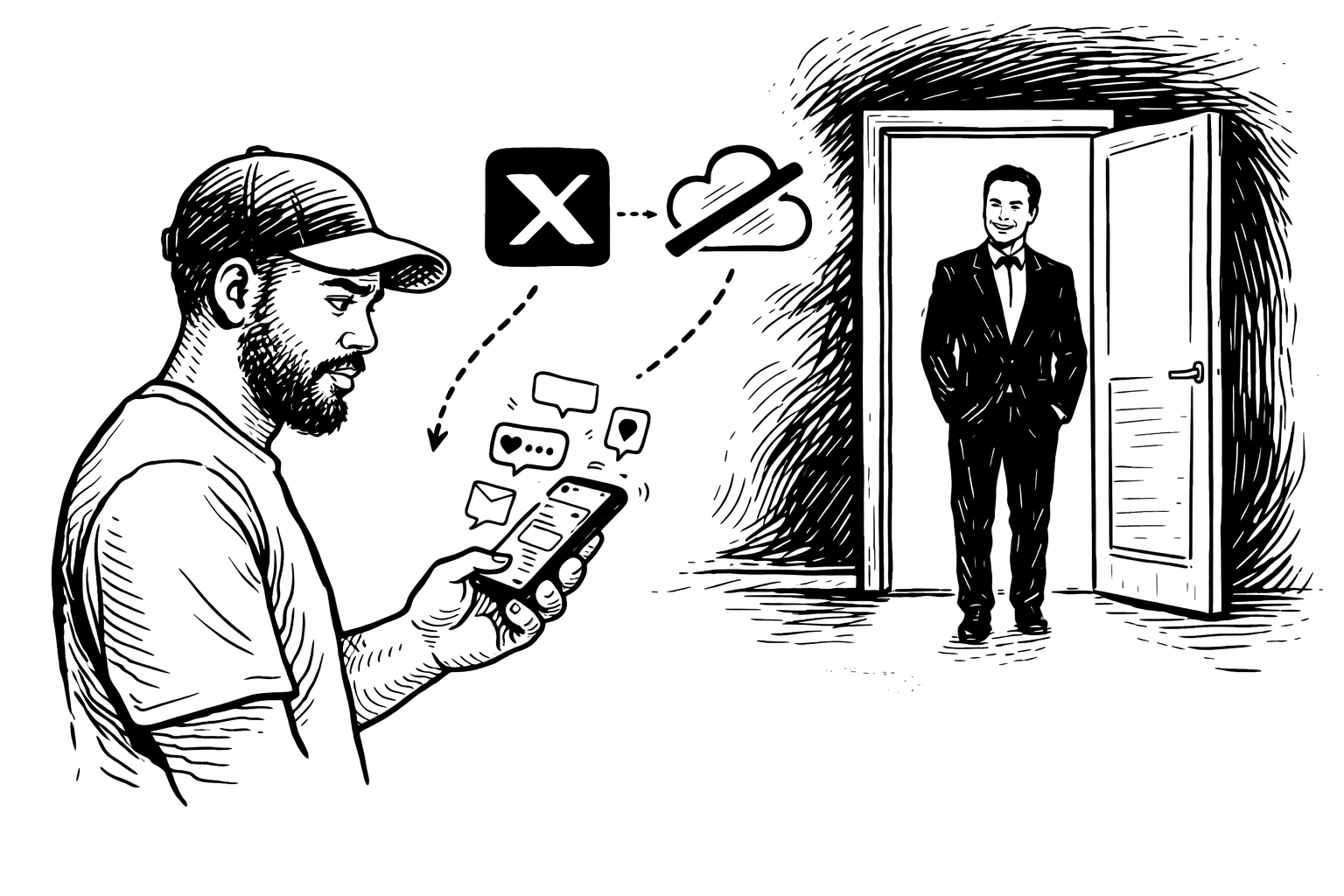
Even as platforms shift, behavior doesn’t always follow.
The decision to stay isn’t always about agreement. It’s about infrastructure, identity, and the cost of leaving something that still holds value.
5. What Robert F. Smith’s Internship Platform Reveals About Access
Access Doesn’t Scale on Its Own — It Has to Be Built
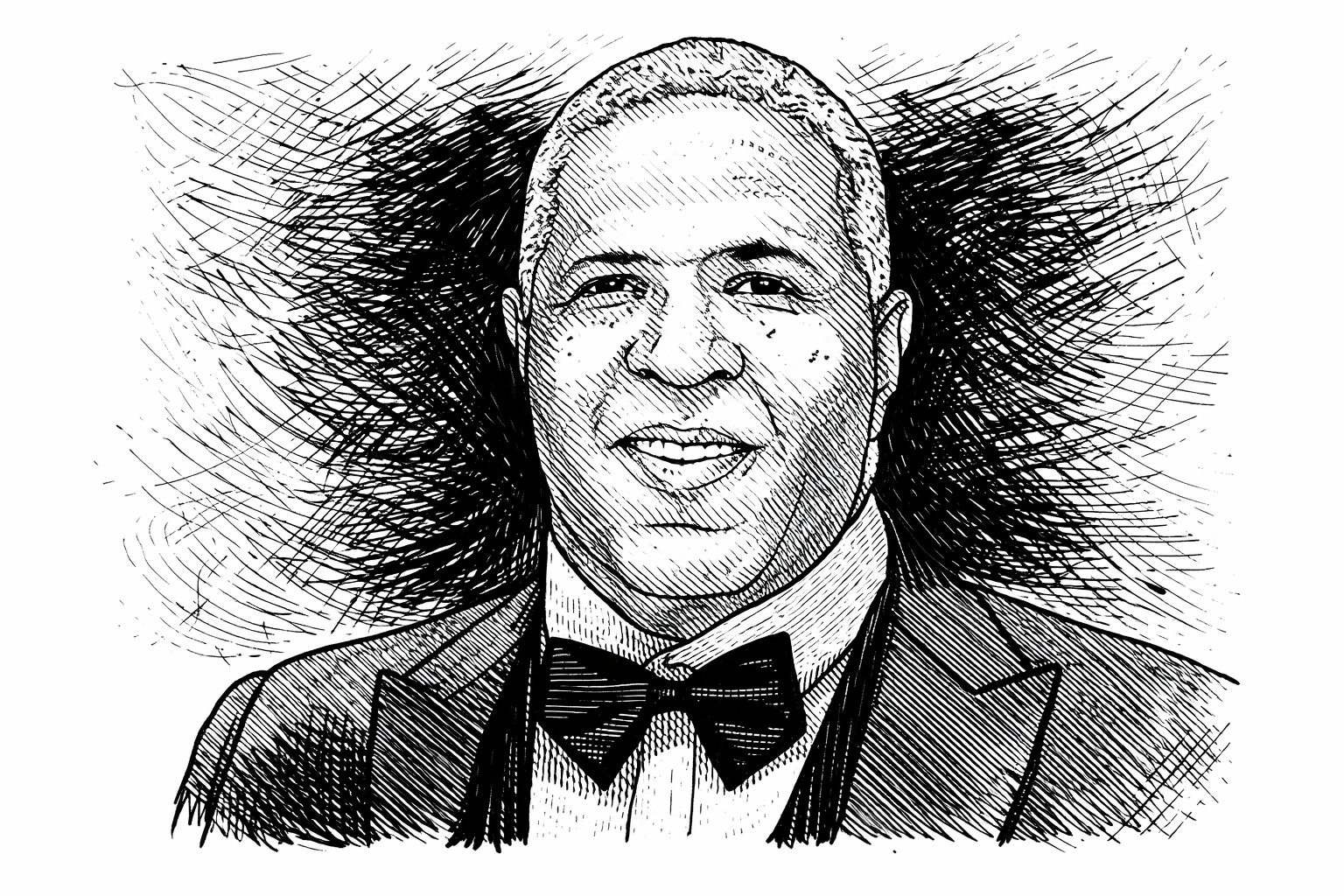
When Robert F. Smith launches an internship platform for HBCU students, the headline reads like opportunity. But the more revealing question is why platforms like this have to be built in the first place.
Access isn’t automatic—it’s constructed. And when systems don’t distribute it evenly, proximity, networks, and intentional intervention become the difference between participation and exclusion.
6. When the Symbol Breaks, What Happens to the Movement
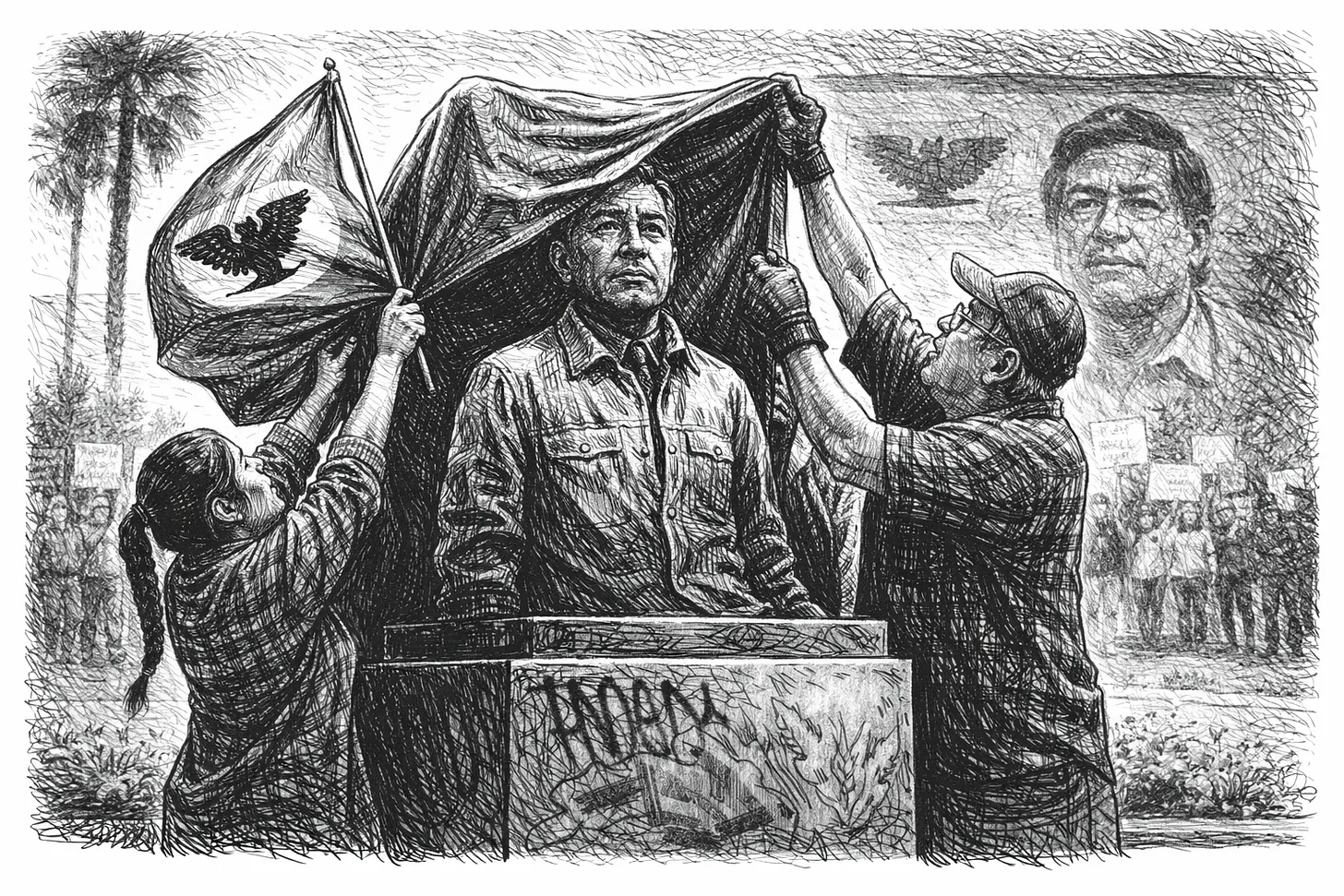
Public memory is being edited in real time as institutions reconsider how César Chávez is remembered.
What once felt permanent now appears conditional—raising broader questions about who gets remembered, and how quickly that memory can change.
7. Americans Are Skipping Social Events Because They Can’t Afford Them
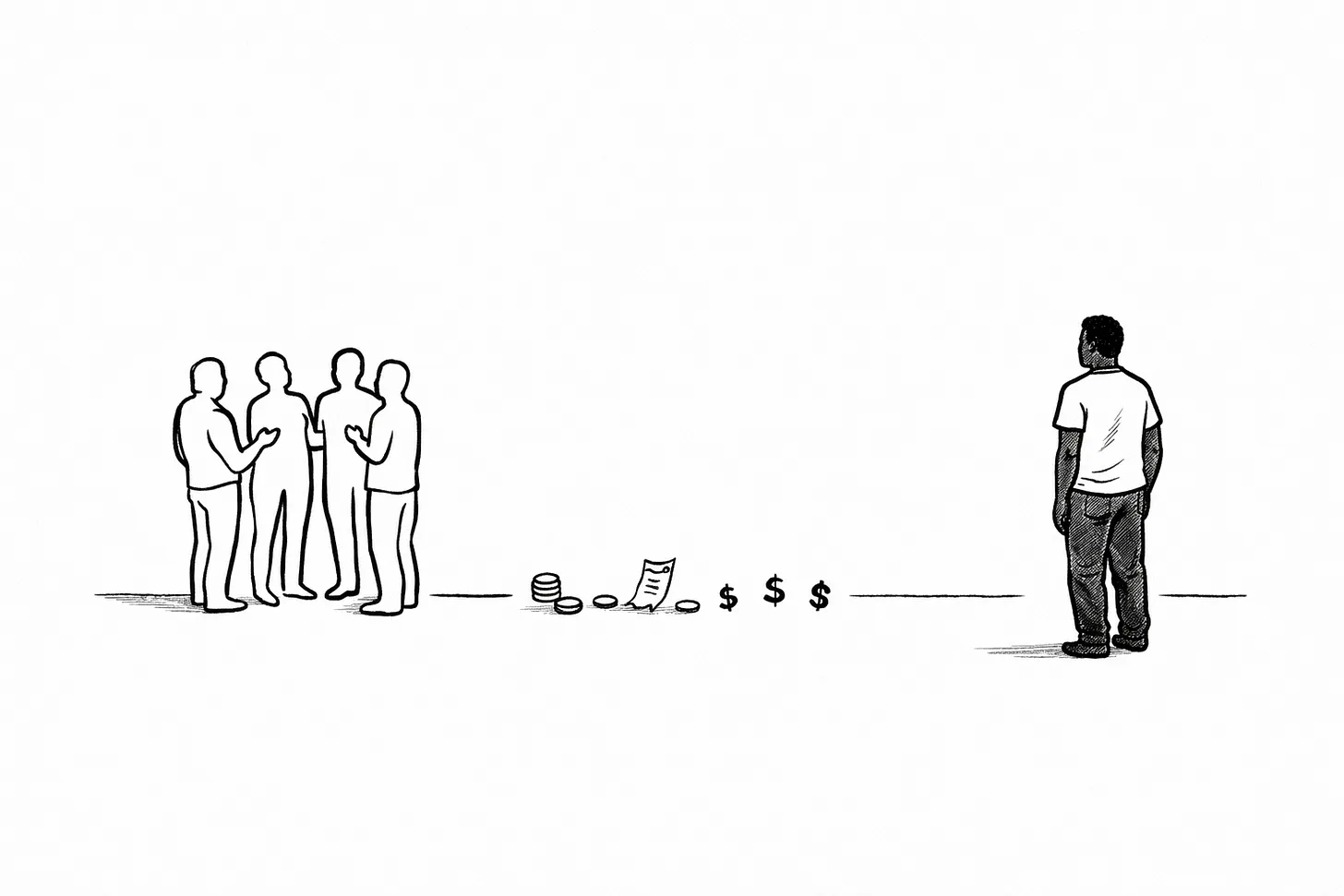
Financial pressure is quietly reshaping how people show up—or don’t.
When the cost of participation rises, absence becomes the default. What gets lost isn’t just connection, but the social fabric that depends on it.
8. The Internet’s New Debate: Who Gets to Decide What Men Enjoy?
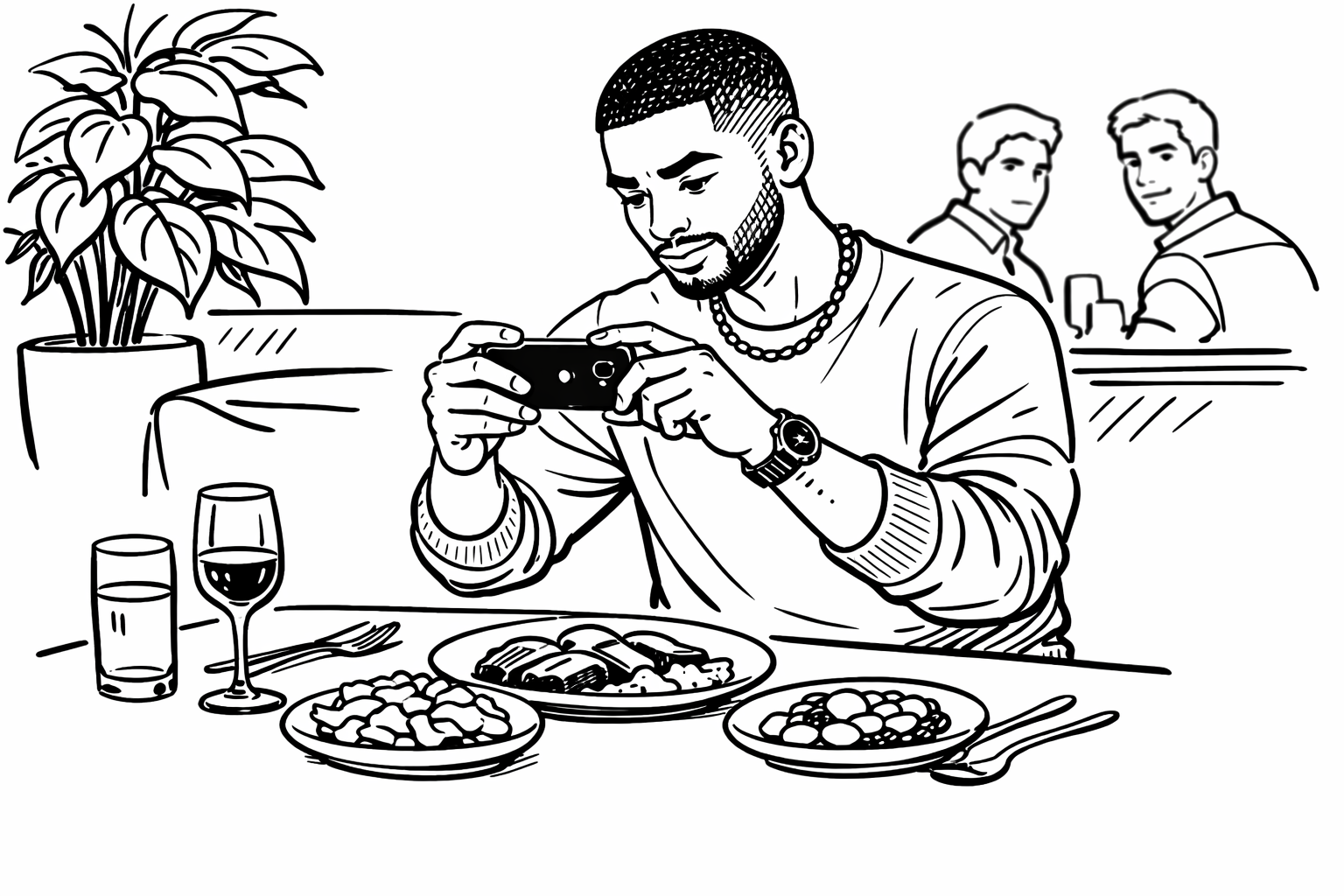
A viral conversation about something small surfaced something much larger.
Masculinity isn’t just lived—it’s constantly being negotiated, defined, and challenged in public, often in real time.
9. The Moment You Realize Your Parents Are Human Too
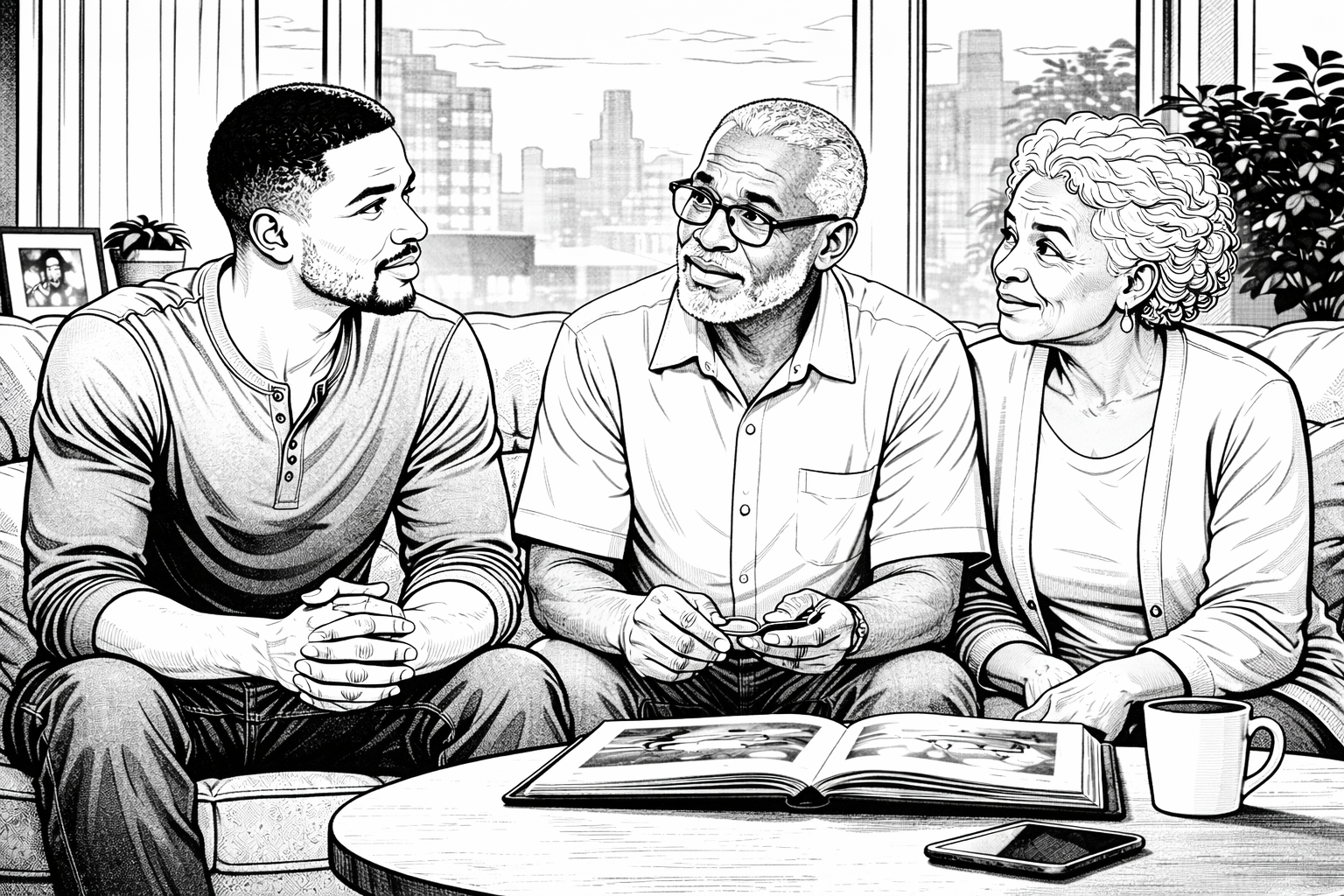
Adulthood reframes the people who raised us—and the world they were navigating.
Understanding the constraints of their time changes how we interpret their decisions—and our own.
10. Yeezy Isn’t Just Cheaper — It’s Changing What the Brand Is
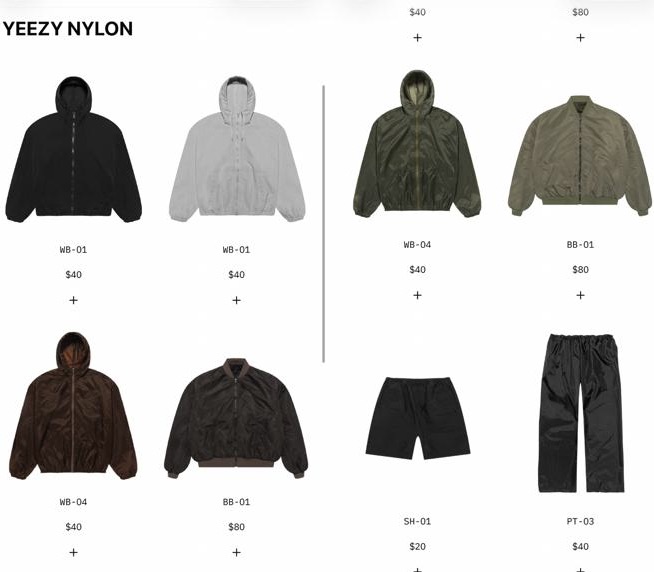
Lower prices, longer waits, and fewer protections reveal a shift from exclusivity to scale—and a new relationship between brand and consumer
The latest Yeezy drop signals more than a pricing adjustment—it reflects a shift in strategy. What was once built on scarcity and status is now moving toward accessibility and volume, lowering the barrier to entry while shifting more responsibility to the consumer.
That shift also reveals something deeper about behavior. Even when alignment is complicated, participation doesn’t always stop. As explored in We Know What Elon Is Doing. We’re Still Logging On., people continue to engage with systems they don’t fully agree with—because of infrastructure, identity, and the cost of opting out.
11. Nike Put Its Mark on a Black Body. The Internet Noticed.
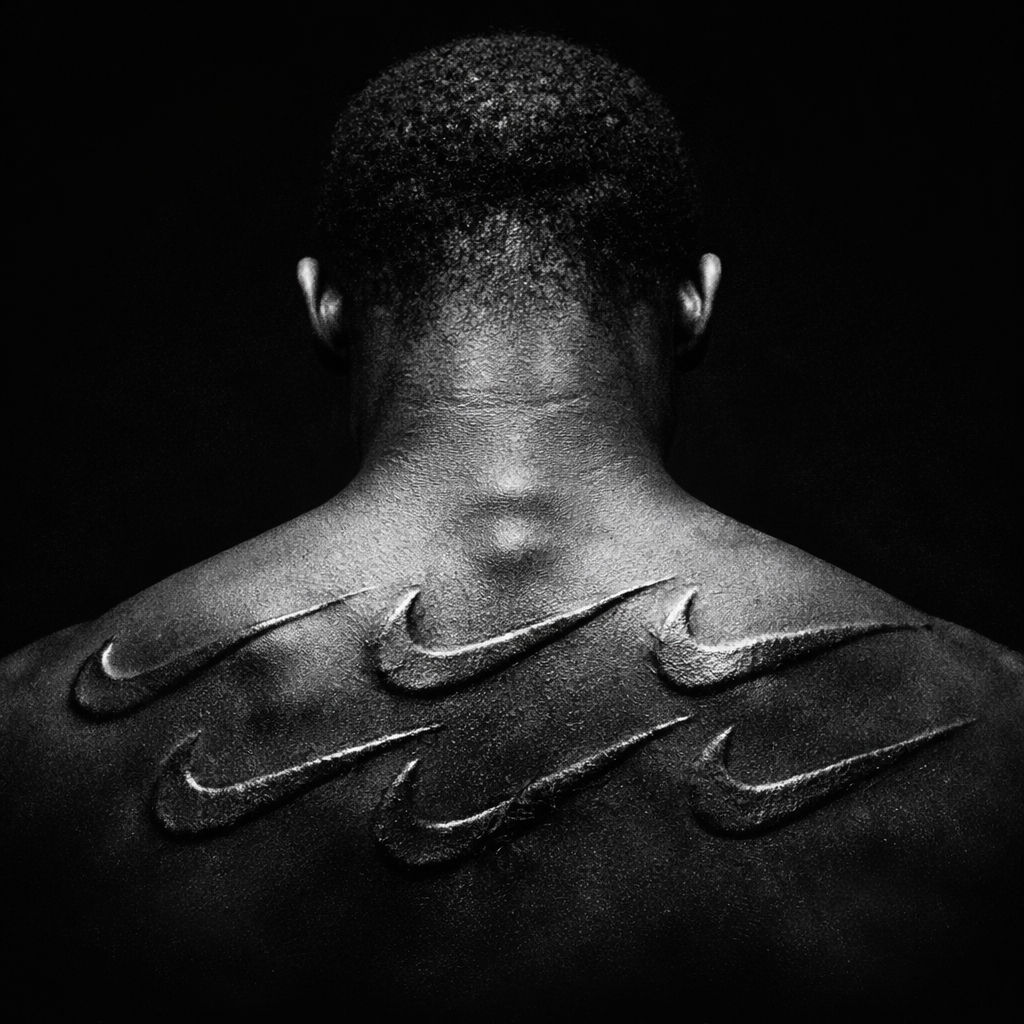
What Nike released and what people saw were not the same thing.
Meaning doesn’t stay with the brand once it enters the public—it gets interpreted, contested, and reassigned in real time.