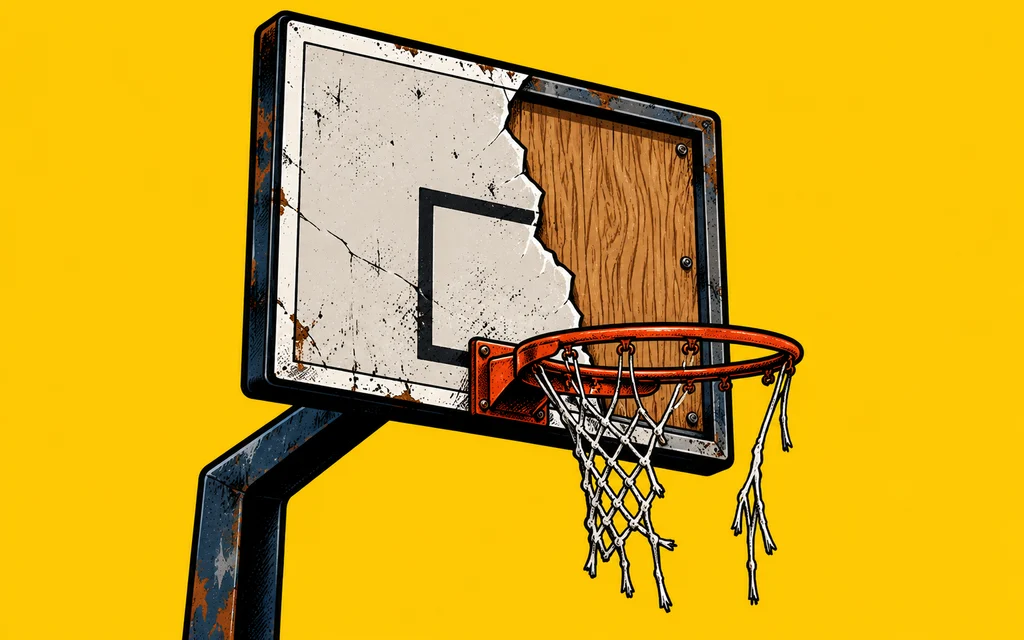
As gyms replace basketball courts with weight rooms, pickleball facilities and boutique fitness spaces, recreational players are losing more than a place to exercise. They’re losing accessible spaces where friendships and communities are built.
There was a time when finding a pickup basketball game was as simple as walking into the neighborhood gym. You didn’t need reservations, a scheduled class or an expensive private league. You needed sneakers, a basketball and enough people willing to run.
For generations of men, those courts became places to compete, socialize and maintain friendships that sometimes lasted decades. Now, some commercial gyms are deciding those spaces could be put to more profitable use.
The business of taking away the court
In Arizona, EōS Fitness has removed basketball courts at multiple locations, replacing them with additional workout space. According to Cronkite News, gym operators are reconsidering courts because of maintenance expenses, changing member preferences and the potential to generate more revenue from other activities.
The changes aren’t limited to Arizona. Recreational players in other states have reported losing access to courts at commercial gyms, although comprehensive national data on closures remains limited.
Pickleball is part of the changing recreational economy. According to the Sports & Fitness Industry Association, 24.3 million Americans played pickleball in 2025, up from approximately 4.2 million in 2020. Gyms are also expanding Pilates studios, strength-training areas and other specialized fitness offerings.
The business calculation isn’t difficult to understand. Basketball courts occupy substantial space, require maintenance and accommodate a limited number of players at once. Operators have an incentive to consider whether that same space could serve more members or support additional revenue.
But the financial calculation doesn’t account for everything being lost.
More than a place to play
Pickup basketball has a particular social function. A group of men can play together every Saturday for years without knowing much about one another’s personal lives. Yet they know who shoots too much, who plays defense and who shows up every weekend regardless of the weather.
Those relationships may appear casual, but they create continuity. For adults balancing work, family responsibilities and increasingly complicated schedules, a regular basketball game provides a reason to leave the house, exercise and maintain social connections.
Basketball courts have also played an important role in Black American communities, where recreation centers, neighborhood gyms and public parks have long served as gathering places across generations. Those spaces create opportunities for mentorship, competition and relationships that extend beyond the game.
That history makes the loss of accessible courts worth examining beyond the interests of commercial gym operators.
Access is where the issue gets complicated
When a gym replaces its basketball court, players cannot simply substitute another workout and expect the same experience. They may need to find another facility, travel farther or pay additional fees for recreational leagues.
Public parks offer alternatives, but outdoor courts are subject to weather, lighting and maintenance conditions. Community recreation centers may have restricted hours or limited open-gym availability. Private leagues offer organized competition but often require advance registration and additional expenses.
Cronkite News interviewed Arizona players who said court closures were prompting them to reconsider their gym memberships. Some were prepared to move to competing facilities that still offered basketball. Others questioned whether maintaining a membership made sense without the court that originally attracted them.
The issue isn’t whether pickleball players or Pilates participants deserve facilities. They do. The concern is whether expanding one form of recreation should require eliminating another, particularly when affordable alternatives are limited.
The bigger picture
Commercial gyms are businesses, not public recreation departments. They have to manage expenses, attract members and respond to changing demand. Maintaining a basketball court that no longer serves enough members may be difficult to justify financially.
But when those decisions accumulate across a community, their consequences extend beyond individual membership contracts. A facility can replace a basketball court with a more profitable amenity while leaving recreational players with fewer accessible places to gather.
The question is not whether gyms should evolve. It’s whether communities can afford to lose the informal spaces that bring people together simply because another use of the floor is more profitable.
For the men who have spent years meeting at the same court, the loss isn’t measured only in square footage. It’s measured in the Saturday mornings, familiar faces and friendships that no longer have an obvious place to go.