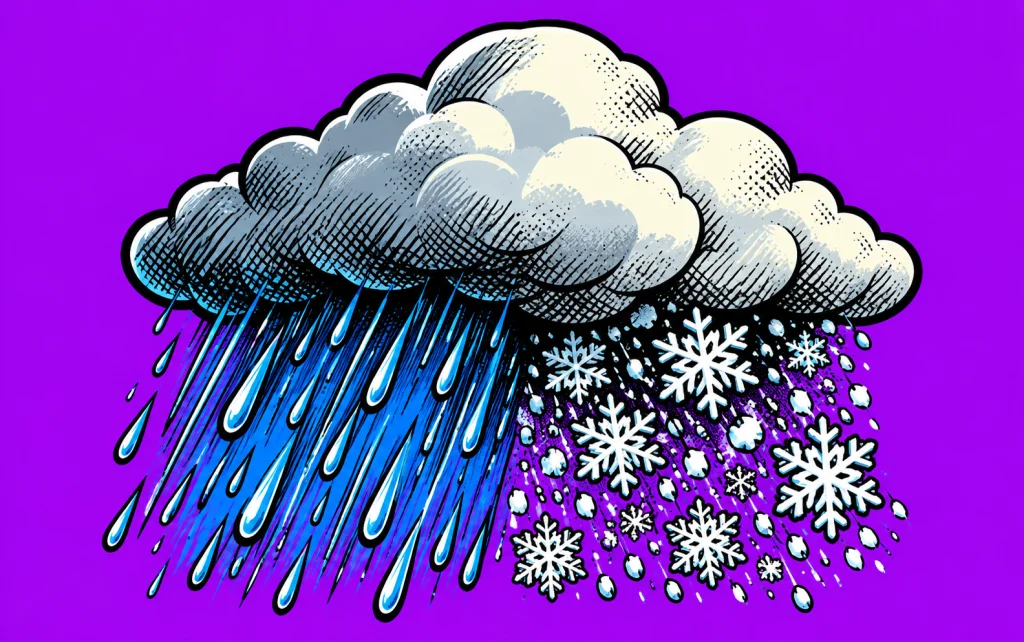
Forecasters expect a warmer, wetter winter across much of the country. But from Texas to New York, above-average temperatures don’t necessarily mean less dangerous weather.
A warmer winter might sound like good news, especially for Americans who dread snowstorms, freezing temperatures and expensive heating bills. But forecasters are warning that this winter could bring a different set of problems: flooding in the South, powerful coastal storms in the Northeast and unpredictable weather across much of the country.
The reason is a potentially historic El Niño developing in the Pacific Ocean.
According to the National Oceanic and Atmospheric Administration, unusually warm Pacific waters are altering atmospheric patterns, increasing the likelihood of wetter conditions across the southern United States and along the Eastern Seaboard. Much of the northern country is also expected to experience above-average temperatures.
The forecast sounds relatively simple until you consider what warmer and wetter actually mean when winter storms arrive.
In the Northeast, a mild seasonal average doesn’t eliminate the possibility of a major blizzard. El Niño can influence the atmospheric conditions that fuel nor’easters, powerful storms capable of producing heavy snow, damaging winds and coastal flooding.
New York, Boston and other East Coast communities could face increased flooding and coastal erosion, especially when storms coincide with unusually high tides. During the strong El Niño winter of 2016, a major Northeast blizzard produced more than 30 inches of snow in some locations and winds reaching 60 mph.
The South faces a different problem. NOAA expects some of the country’s highest chances of above-average precipitation across the region, particularly parts of Florida, Georgia and South Carolina.
For Texas, additional rainfall could help communities struggling with drought. But heavy precipitation can also overwhelm drainage systems, flood roads and threaten neighborhoods already vulnerable to severe weather. Northern Texas could even experience snow despite the broader expectation of a warmer winter nationally.
More Rain Doesn’t Mean Fewer Problems
The Southwest offers an early example of that contradiction. Heavy rainfall has already contributed to severe flooding in the Four Corners region, forcing evacuations and emergency rescues.
Yet the Colorado River basin remains under pressure from years of drought and increasing water demand. One wet season cannot automatically restore depleted reservoirs or resolve long-term water shortages.
The Pacific Northwest faces nearly the opposite challenge. Warmer temperatures and potentially lower precipitation could reduce mountain snowpack, affecting the natural water storage that helps sustain rivers and reservoirs through warmer months.
Climate change adds another complication. A warmer atmosphere can hold more moisture, increasing the potential for intense rainfall under favorable conditions. El Niño influences where storms may develop, but human-caused warming is changing the environment in which those storms occur.
Forecasters emphasize that seasonal outlooks describe probabilities, not guarantees. A strong El Niño doesn’t mean every city will flood, and a warmer winter doesn’t mean every region will escape dangerous cold.
That’s the part of the forecast worth remembering. For New York, a warmer winter could still bring a destructive blizzard. For Houston, more rain could mean both drought relief and flooding concerns. And for communities already dealing with aging infrastructure, the difference between an ordinary storm and a disaster may come down to how prepared they are before the weather arrives.
Sources: NOAA 2026–2027 Winter Outlook | NPR, October 28, 2026 | NOAA Climate Prediction Center