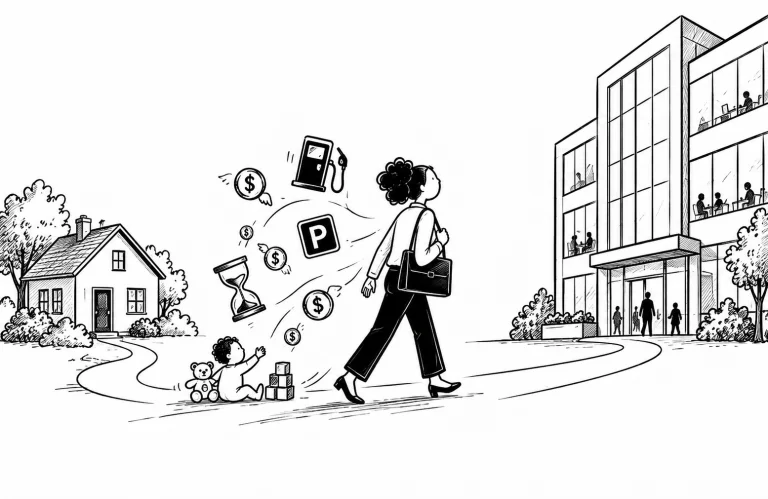
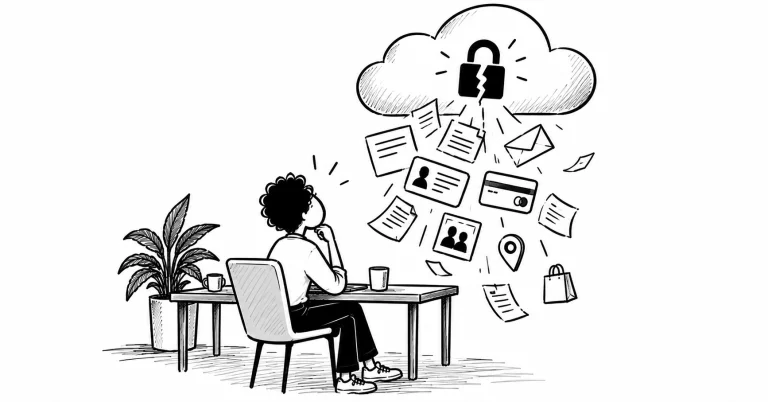
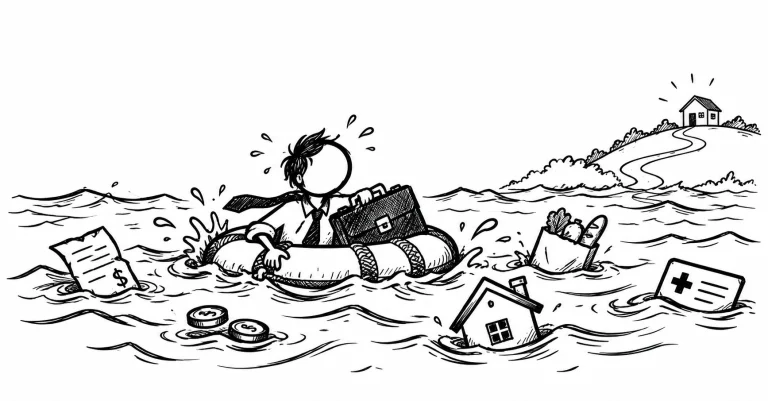
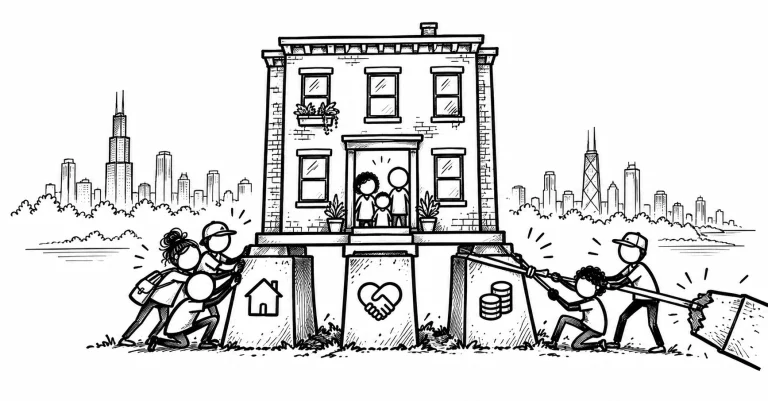
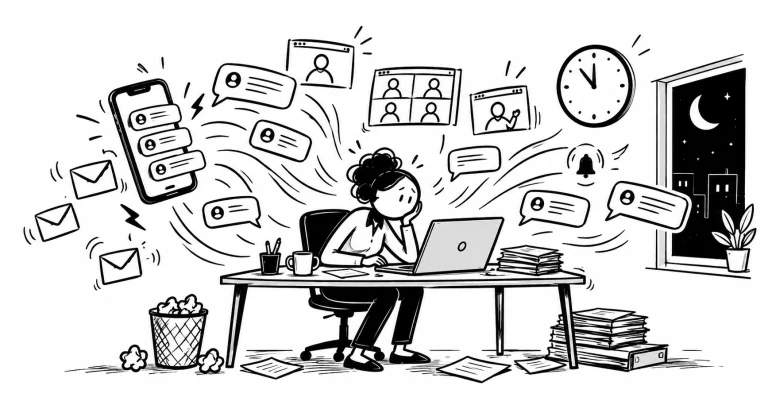
What concerns me is how easily we’ve accepted staying afloat as a substitute for getting ahead. Pay the bills. Keep the car running. Hold on to the job. Delay the appointment. Put something toward the balance. Repeat next month.
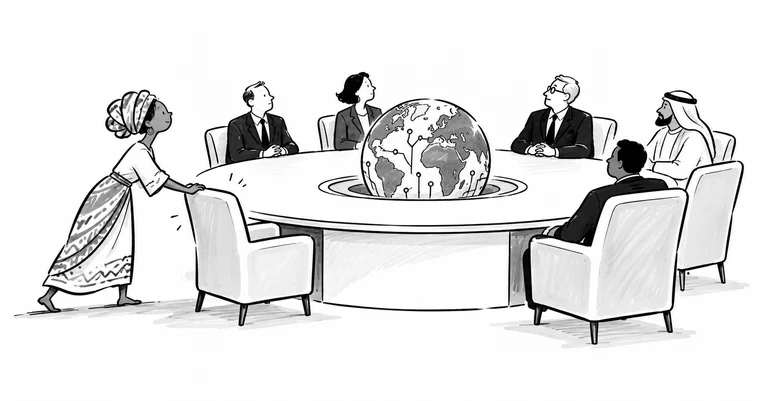
The United Nations is building a more inclusive framework for AI governance, but countries with limited technological infrastructure still face unequal influence over the systems transforming their economies.
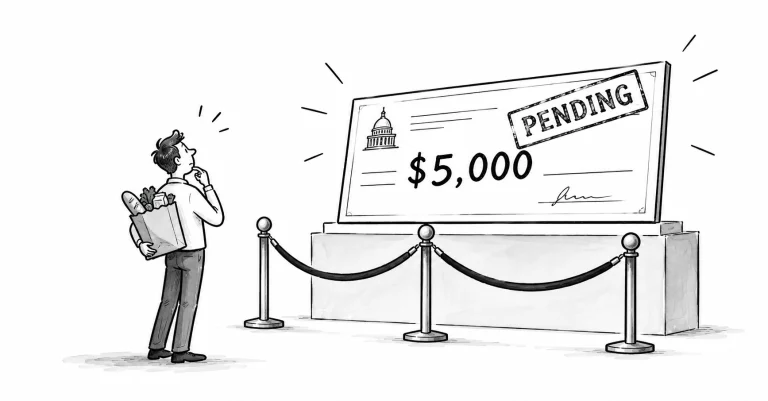
The proposed “Trump Dividend” would cost approximately $1.2 trillion and depends on Republicans retaining control of Congress. With less than a month until the midterms, there is still no legislation, payment schedule or established funding mechanism.
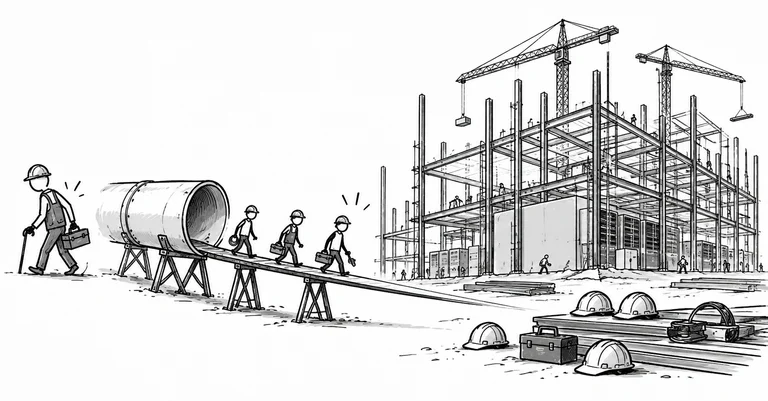
An aging workforce, immigration enforcement and data-center construction are converging on the skilled trades. Texas is among nine states facing particularly difficult labor shortages.
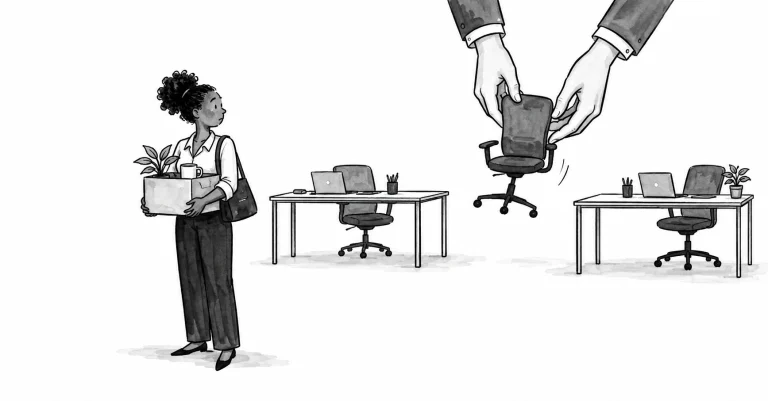
HubSpot is cutting nearly 660 jobs, about 7% of its workforce, as it reorganizes around delivering customer outcomes with AI. CEO Yamini Rangan says the reductions are not driven by AI-related efficiencies. The drawing centers a worker carrying her belongings while unseen decision-makers remove a chair from the office arrangement. It captures another route from technological change to job loss: a company redesigns its structure, and an employee’s place disappears. For the person leaving, a change in corporate direction becomes an immediate change in income, routine and plans. Read the company’s announcement.