
End of Day Closing Note | Wednesday, June 10, 2026
The Protection Layer Is Getting Thinner End of Day Closing Note — June 10, 2026
From a global inequality report that names Atlanta’s 30-year gap, to lead pipes delayed while billing meters got replaced, to Meta training workers for jobs its own AI may reshape — Tuesday’s full briefing.
Today’s pattern is not simply that institutions are under pressure. It is that the layer of protection people were told to rely on is getting thinner.
The promise used to be legible. Work would create mobility. Growth would create opportunity. Public systems would protect people evenly. Political representation would follow where people actually lived. Technology would make the future easier to enter. Culture would belong to the people who built it.
The stories in today’s edition tell a different version of the present. Protection is being delayed, redirected, monetized, or made conditional. Inequality is being treated less like a failure of the system and more like an operating feature. Infrastructure risk is being absorbed by households. Displacement is still shaping political power. AI is changing work while companies offer training as the solution. Sports and culture are becoming business models before the people creating the value control the terms.
Growth is still happening. Protection is not keeping pace.
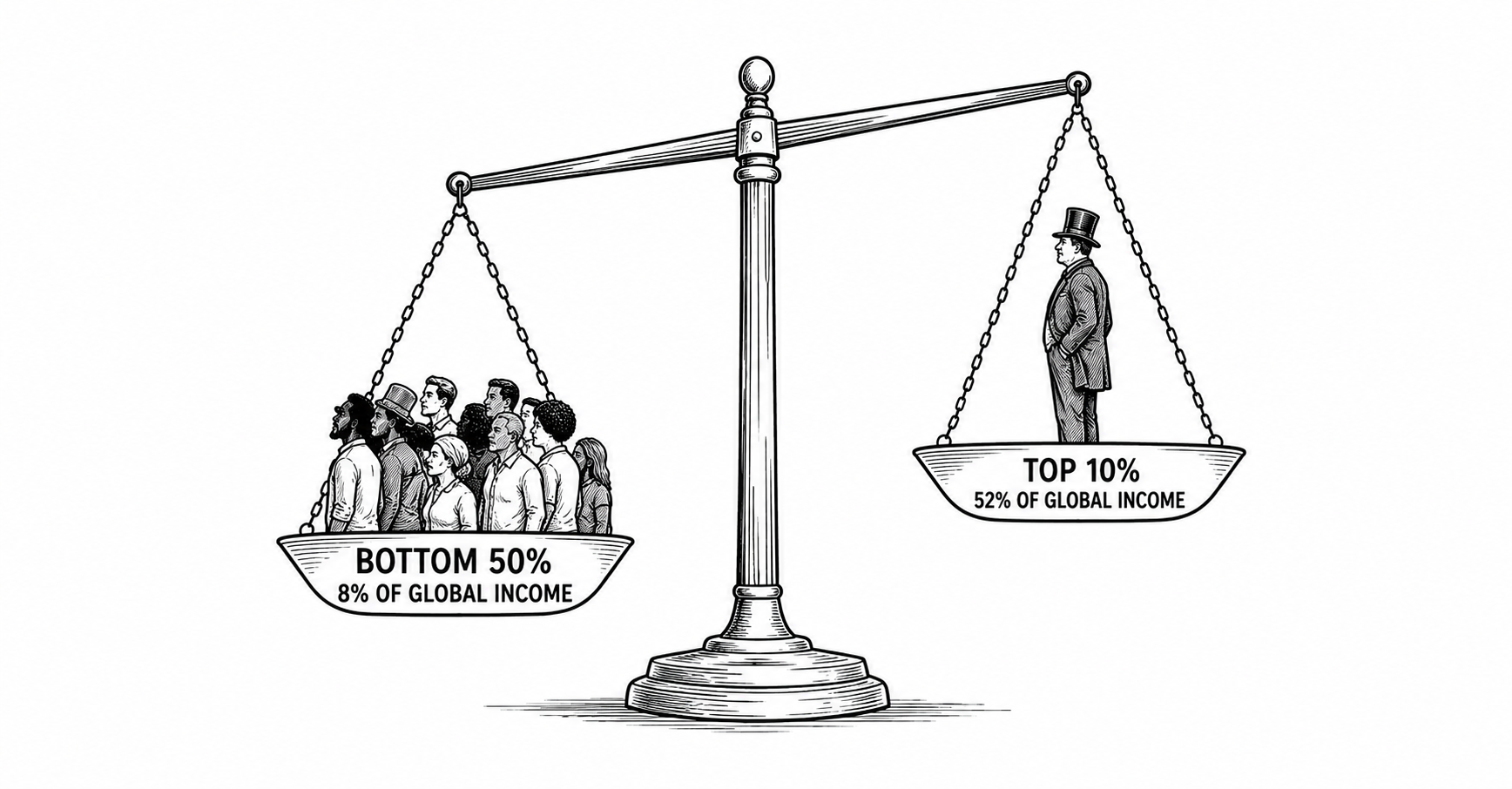
The World Inequality Lab released the Global Justice Report on June 4, 2026, with a conclusion its authors describe as simple: inequality is not inevitable. In The Global Justice Report Says Inequality Is a Choice. Atlanta Suggests It Can Go the Other Way., SSC examines what that argument looks like when tested against 30 years of Atlanta’s data. The city has Black political leadership, HBCUs, and a visible professional class — and has been the most unequal city in America the entire time. The median wealth of white households in the City of Atlanta is $238,355. The median wealth of Black households is $5,180. Growth without redistribution does not close that gap. It compounds it. If inequality is a political choice, repair is one too.
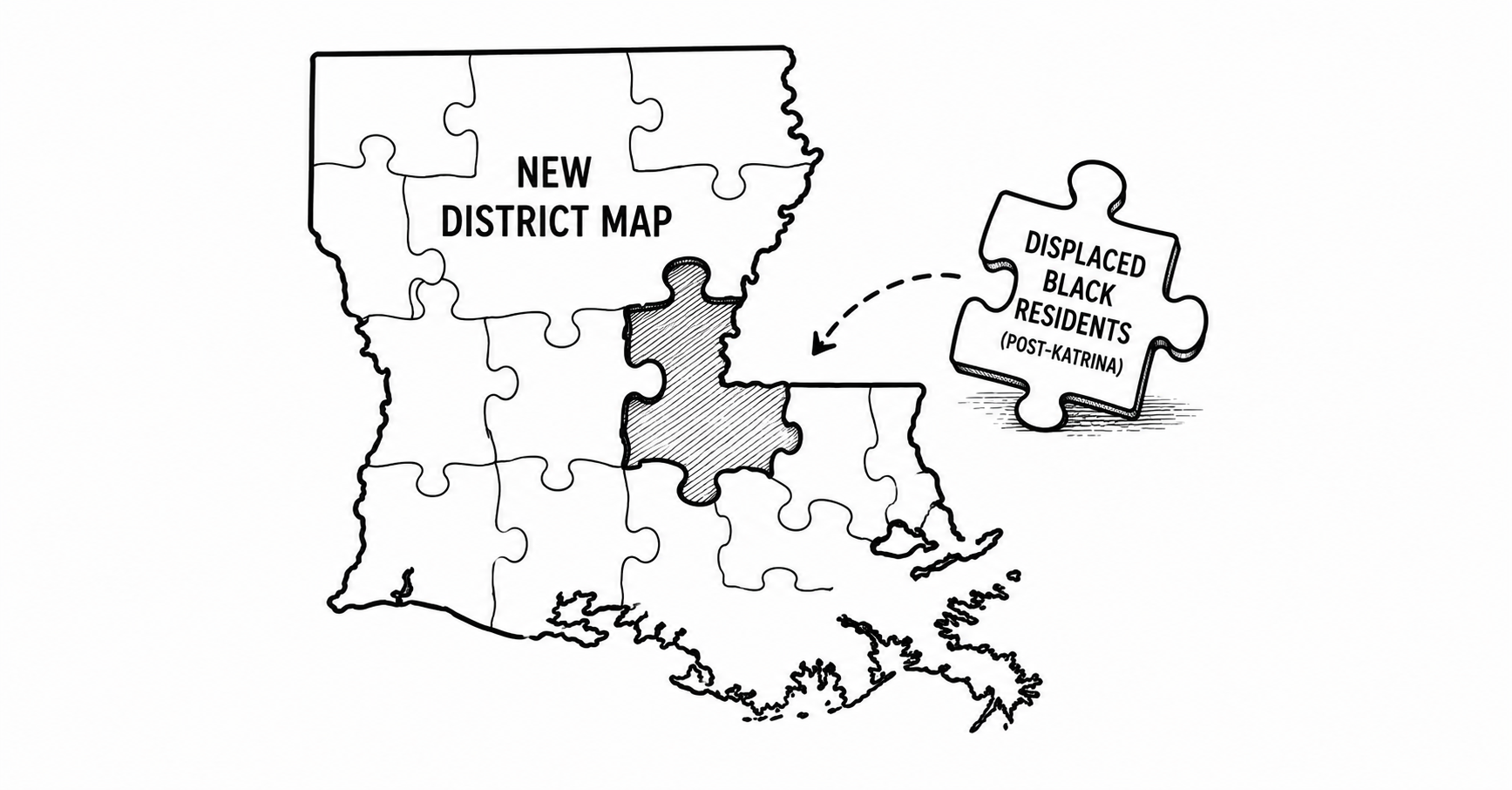
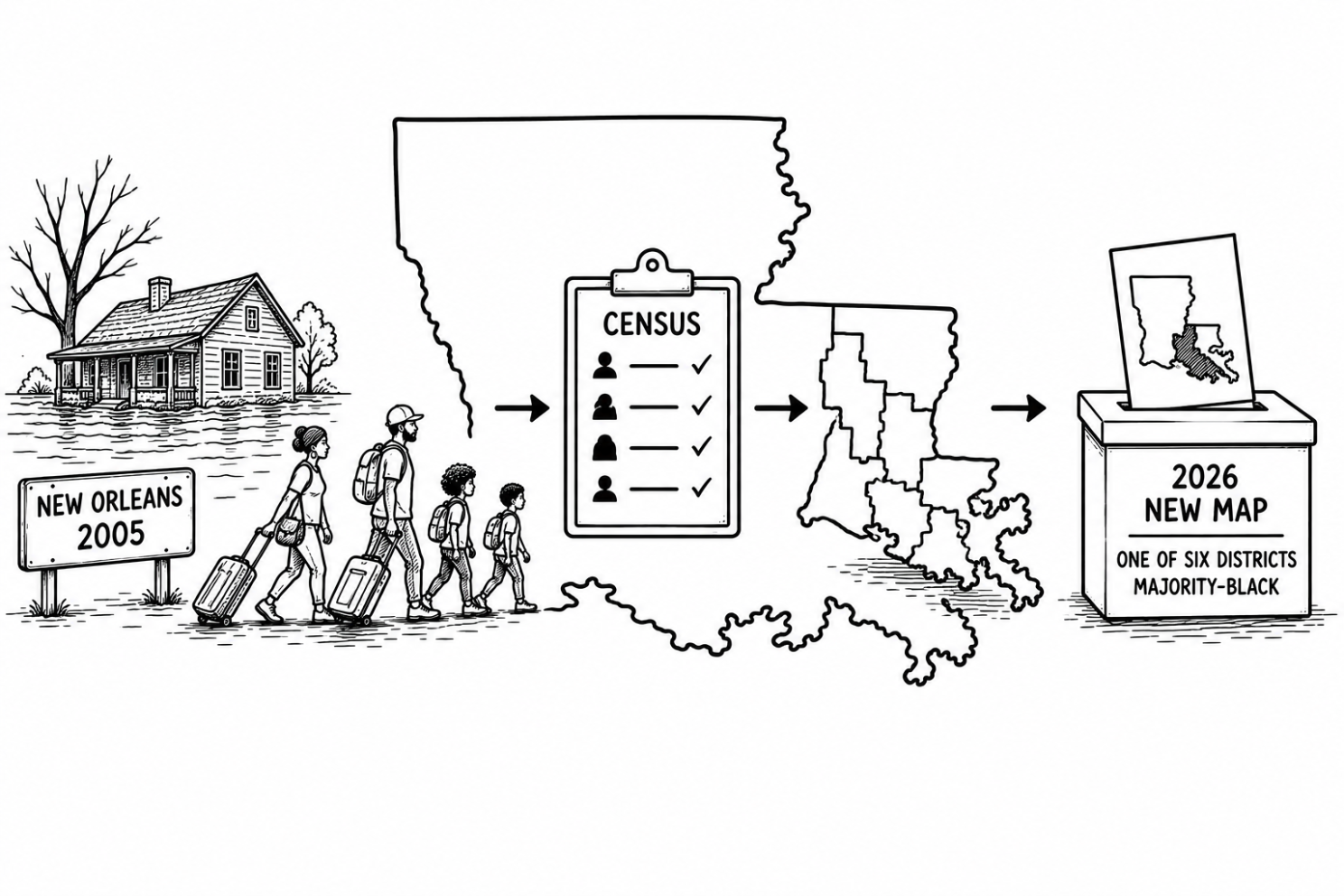
In Louisiana Redistricted After Katrina Displaced the Population It Was Counting, Bryson Davis traces the mechanism connecting 2005 to 2026. On May 29, 2026, Louisiana Republicans approved a new congressional map eliminating one of the state’s two majority-Black congressional districts — days before early voting began, with tens of thousands of voters having already returned mail ballots. The story starts with Katrina displacing nearly 100,000 Black residents who did not return. The recovery rebuilt around a different population. The census counted who came back. The maps were drawn from that count. A Supreme Court ruling weakening the Voting Rights Act removed the last legal check. No single decision produced this outcome. Each decision compounded the one before it.
A Verite News investigation — reported by journalist Christiana Botic and published in February 2026 — is the news peg for New Orleans Has Lead in 7 of 10 Homes. The Pipe Replacement Has Been Delayed. Approximately 70% of the more than 1,100 households in New Orleans’ first free residential water testing program had lead detected in their water. The worst tests recorded levels 100 times the federal action level. The city knows where the pipes are. Replacement has been delayed until at least late 2027. In the same period, the Sewerage and Water Board replaced SMART meters across every household in the city. The infrastructure work that serves billing was executed. The infrastructure work that serves residents’ health has been delayed.
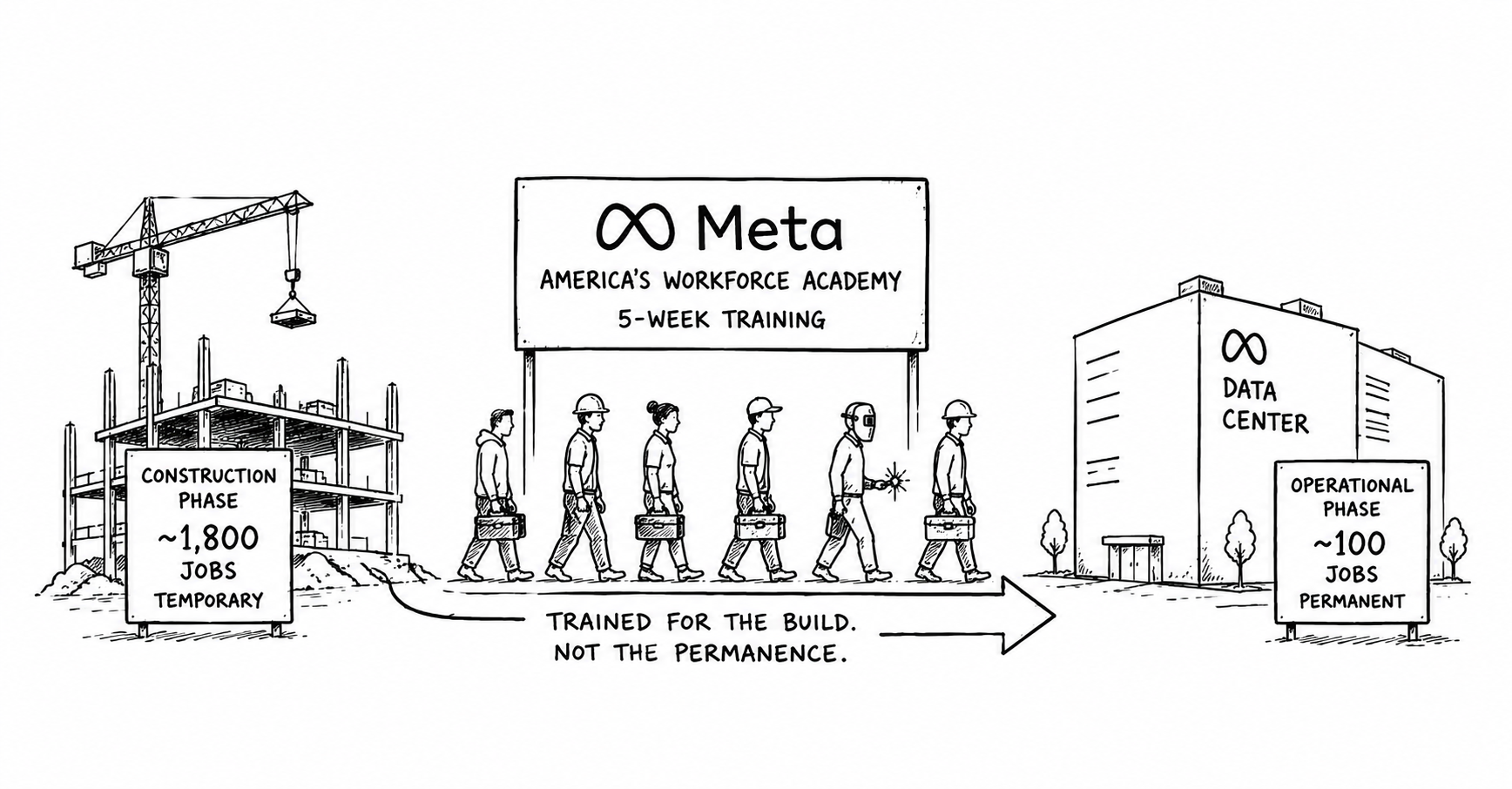
Meta Is Training Workers for Jobs Its Own AI May Reshape names the central contradiction of the AI economy. Meta has committed $1 billion to workforce training programs, positioning the investment as a response to the skills gap its own technology is accelerating. The AI infrastructure Meta is building — including Llama and the business tools on top of it — is designed to reduce the cost of tasks that currently require human labor. Customer service, content moderation, ad creative, data analysis: these are existing job categories, not theoretical targets. Adaptation assumes the jobs being trained toward remain stable long enough to train into. The workers best positioned to benefit are already the most advantaged. The investment may compound the inequality it is framed as solving.
In China Has 12.7 Million New Graduates and Is Betting AI Can Absorb Them, SSC examines what a record graduating class entering an AI-shaped economy reveals about the credential bargain. Higher education is still producing people for a mobility promise the labor market is quietly rewriting. The credential bargain — work hard, get the degree, move up — depends on the destination remaining stable. Education alone cannot protect people when the labor market keeps changing the terms of entry.
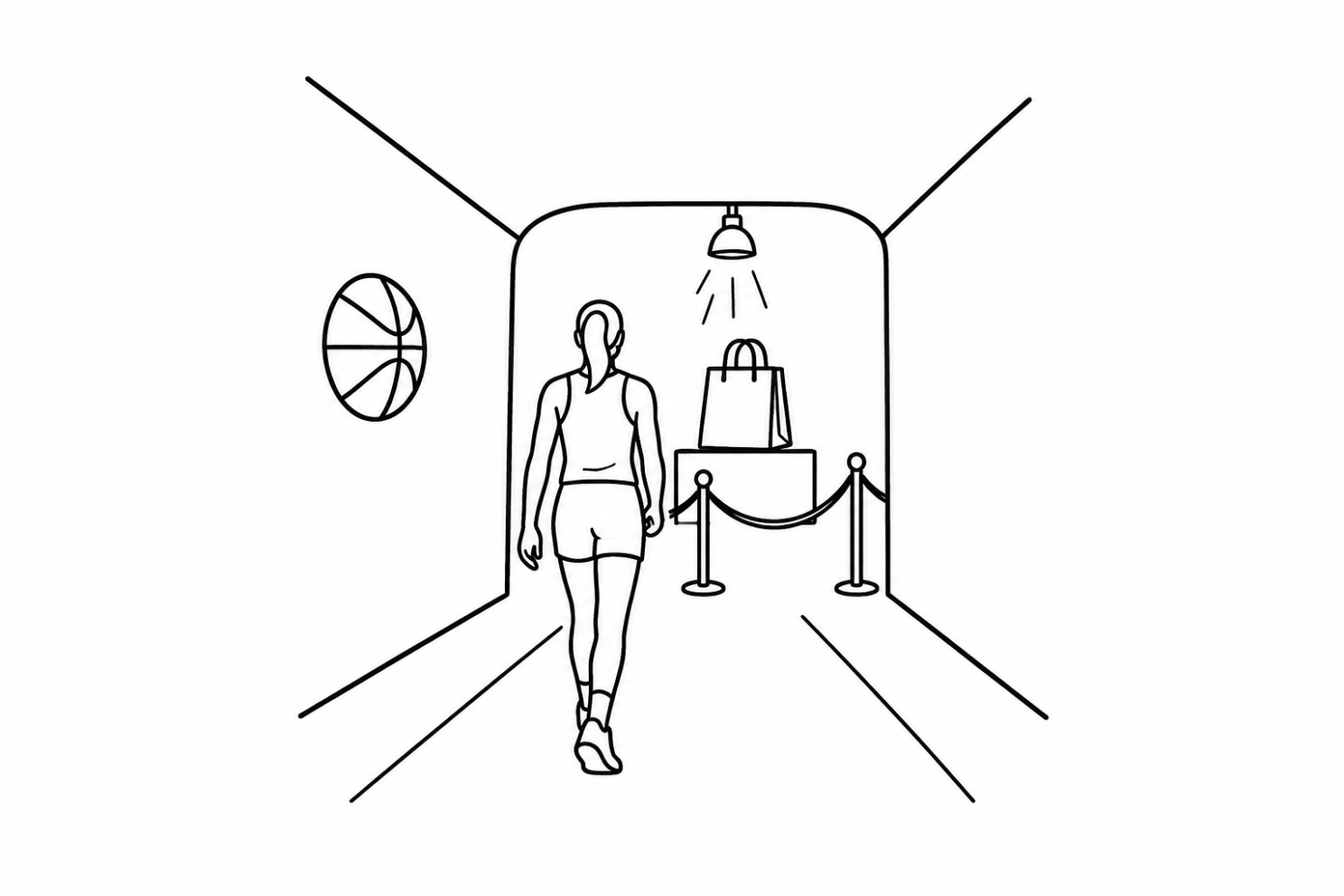
The Tunnel Walk Is Becoming Part of the Business Model tracks how WNBA players have built economic infrastructure that operates independently of the game. The tunnel walk — once a routine trip from bus to locker room — is now a media event. Fashion photographers document arrivals. Brands monitor engagement. Luxury partnerships, social followings, and personal brands belong to the athlete, not just the league. Women’s basketball is no longer asking traditional sports media to validate its cultural significance. It is building the market where that significance gets priced — and the institutions that once controlled recognition are no longer the only ones setting the terms.
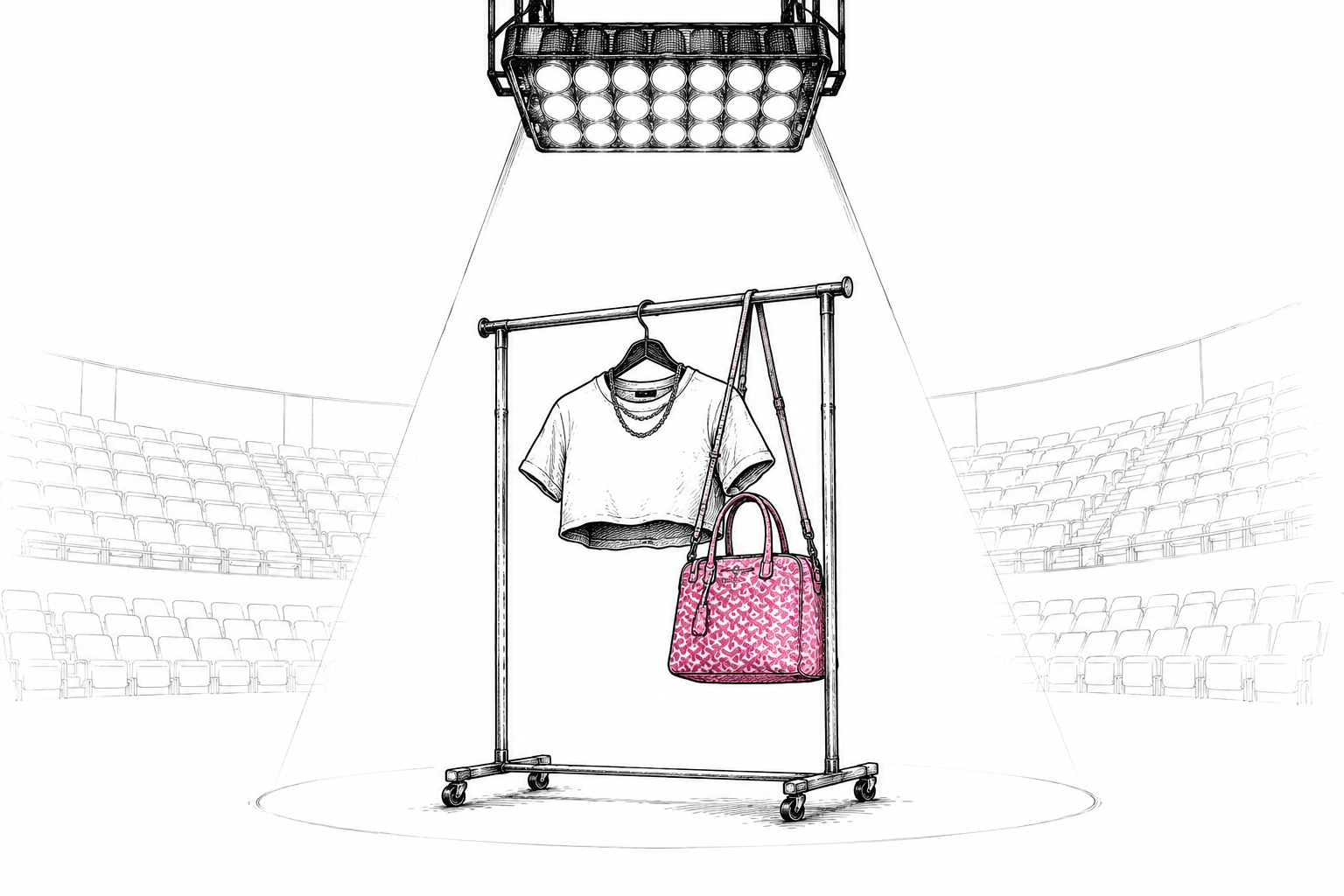
The same platforms distributing that recognition are also policing it. In The Internet Doesn’t Just Watch Masculinity. It Polices It., we examine what happened when Stefon Diggs posted a carousel featuring a pink Goyard bag and a cropped shirt. The comment section became a distributed enforcement system — thousands of participants reinforcing a masculinity norm through laugh emojis, generating engagement revenue for the platform in the same motion. The platform made both indistinguishable from entertainment. That is the design, not the side effect.
The day’s stories are connected by a narrowing distance between exposure and protection. People are being asked to adapt faster, wait longer, move around broken infrastructure, trust systems that count them unevenly, and participate in markets that capture value before sharing control. The promise is not gone. It is being tested at the point where people actually live: the home, the job market, the city map, the platform, the school, the inbox, the arena.
Who is growth protecting?
Daily Visual Signal
One image that translates the day’s structural tension into a single frame
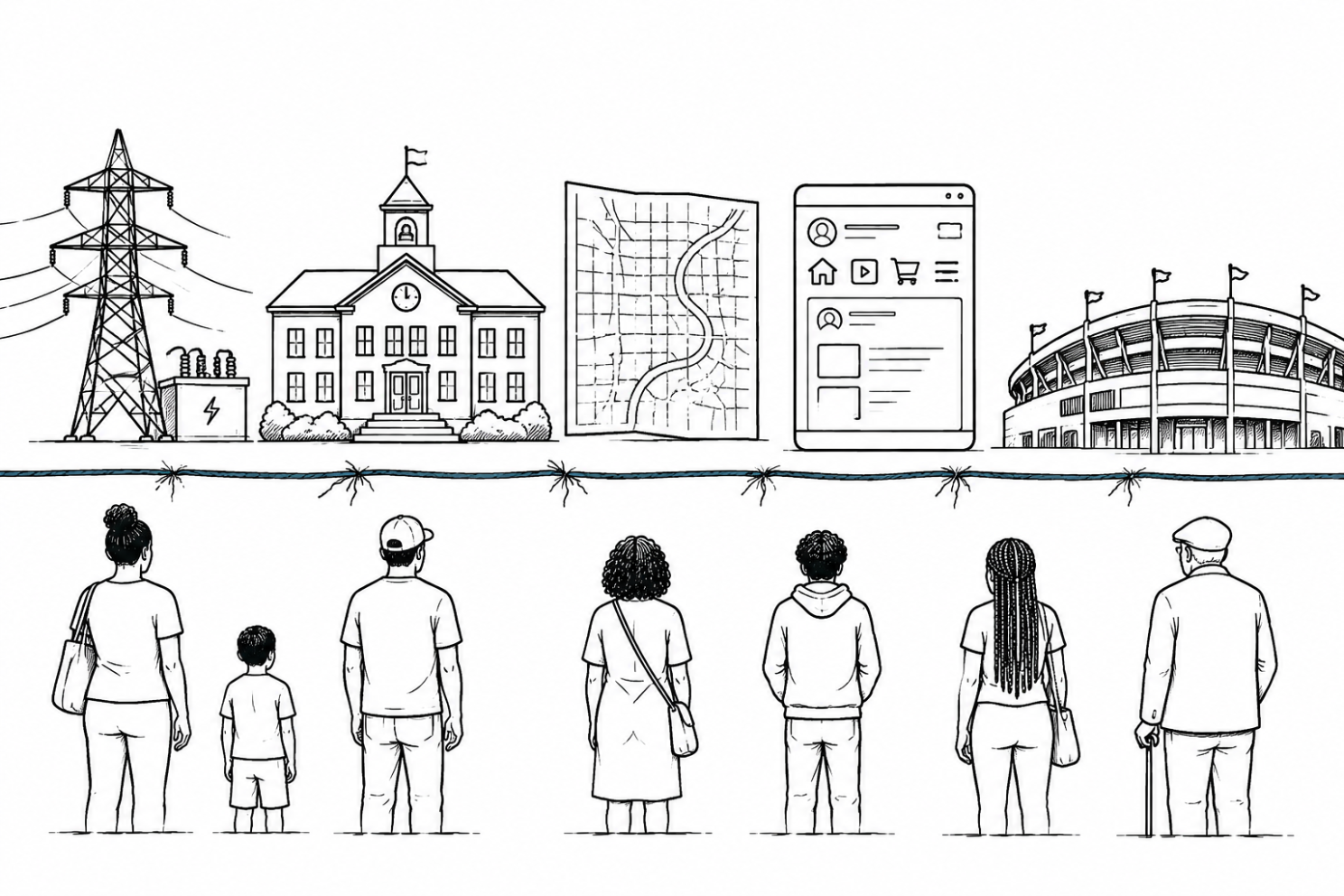
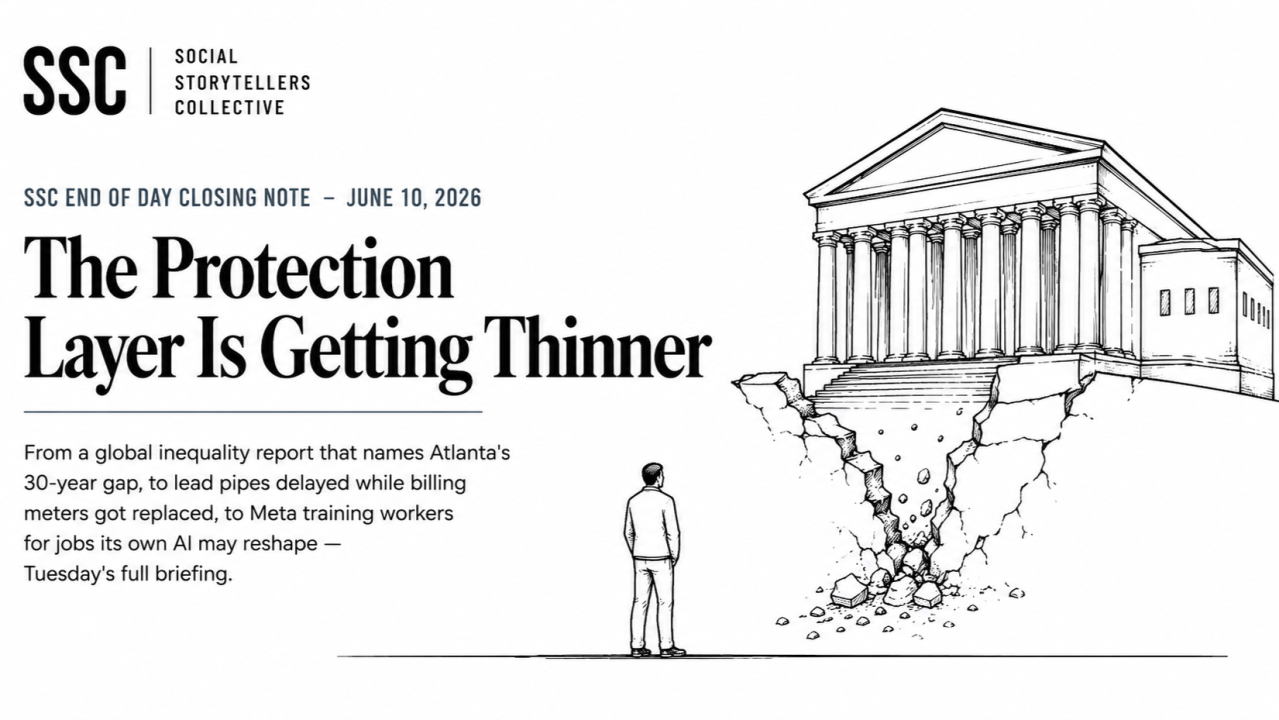
The Protection Layer — A thin line drawn between everyday people and several large institutional structures: a power grid, a school, a city map, a platform interface, and a sports arena. The line is visibly fraying in places. Minimalist editorial line illustration, pure white background, carbon black lines, slate blue accent only.
Get SSC analysis delivered to your inbox every day. Subscribe free on Beehiiv: socialstorytellerscollective.beehiiv.com