
THE CRITIC’S DESK
This wasn’t a branding miscalculation. It was a lesson in who controls meaning — and who never did.
WILL DAVISON
APR 02, 2026
Part of Culture in Motion — examining who defines culture, how it moves, and what it reveals about the moment.
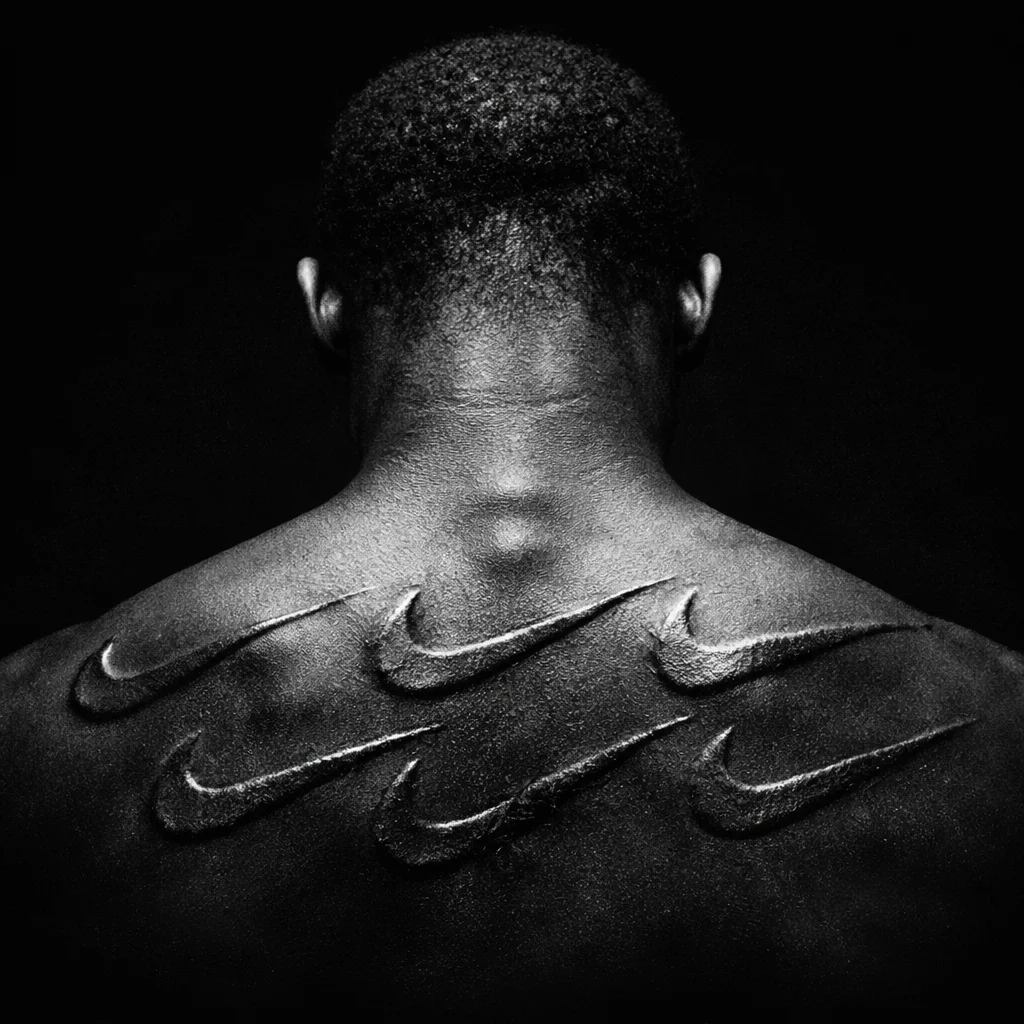
The image didn’t need explanation. I knew what I was looking at the second it came across my screen — a Black male back, marked repeatedly with the Nike swoosh, moving faster than context ever could. Some people saw performance. Some saw branding. I saw something else. Not because I was searching for it, but because I understand the difference between what is chosen on the body and what is placed onto it.
I have a fraternity brand. I know what it means for a mark to carry identity, commitment, and belonging — the weight of a mark you chose, earned, and carry on your terms. What I saw in that image didn’t feel like that. It felt imposed. And once you’ve felt that distinction in your own skin, you can’t unsee it in someone else’s.
That’s where the disconnect begins — and where it gets interesting. What followed the image wasn’t really a debate about Nike’s intent. It was a real-time demonstration of how meaning actually moves now. The image landed, and people responded to what they recognized, not what they were told to see. As we explored in The Comment Section Is Now the Story, audience reaction has become as visible as the content itself — and in that environment, the response isn’t secondary to the ad. It is the story. Intent doesn’t anchor meaning. Perception does. And when imagery intersects with history — especially on Black bodies — it doesn’t arrive neutral. It carries memory, whether the people who made it acknowledge that or not.
The gap between creation and interpretation is widening. Brands still act as if they control meaning, but audiences decide the moment an image is seen, shaped by their own context. Once it’s public, it no longer belongs to the creators.
This isn’t a communications failure. It’s a power shift. And brands—especially those built on Black culture—will keep running into it, not because audiences are searching for offense, but because they’re paying attention.
The deeper issue is structural. As Black Media Isn’t Just Growing — It’s Building Its Own Infrastructure makes clear, Black creators are actively building systems that allow them to control how their work is packaged, distributed, and monetized. The Nike moment is the inverse of that: a brand that built enormous cultural equity on Black aesthetics, Black athletes, and Black audiences — and then placed a mark without asking what it meant to the people wearing it. The backlash isn’t a communication problem to be managed. It’s a signal that the terms of that relationship are being renegotiated.
The Nike backlash isn’t really about one ad. It’s about who gets to decide what something means — and the growing recognition that the answer to that question is no longer the brand.