
Associated Press reporter Kimberlee Kruesi reported on June 1 that states including Pennsylvania, Missouri, New Jersey, Rhode Island, and Washington are extending bar and restaurant operating hours ahead of the 2026 FIFA World Cup, with Philadelphia allowing alcohol sales until 4 a.m. and some Kansas City venues potentially remaining open until 5 a.m. The changes are being presented as practical preparations for one of the largest sporting events in the world. What they actually reveal is how quickly cities will redesign public policy when visitor spending is on the line.
For decades, local economic development meant attracting employers, corporate headquarters, and long-term investment. Today’s cities increasingly compete through experiences. Tourism, entertainment, hospitality, and major sporting events have become central to economic planning. Success is measured not only by how many businesses relocate but by how many visitors spend money. The World Cup is the clearest test of that model the United States has seen in a generation.
The economic logic is straightforward. Millions of visitors traveling across host cities create opportunities for restaurants, bars, hotels, transportation providers, and retailers. Longer operating hours mean more transactions. Policymakers see a chance to maximize that activity by removing restrictions that might otherwise limit it. What is harder to see in that calculation is who absorbs the cost of delivering it.
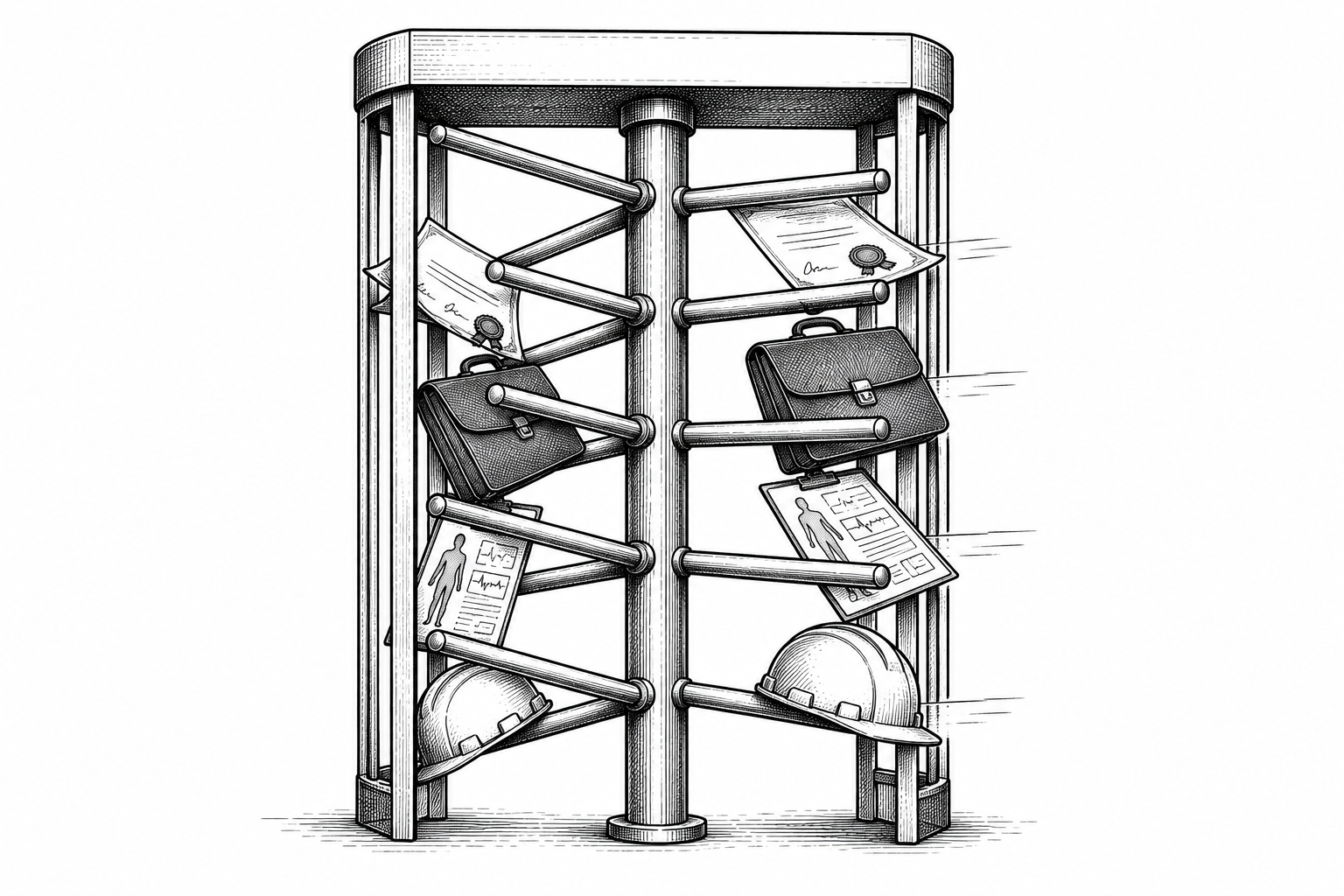
Extending nightlife requires workers — staffing restaurants, bars, hotels, security operations, transit networks, sanitation services, and emergency response systems at hours most were not hired to cover. The experience economy depends on labor that remains largely invisible to visitors. Tourists remember a vibrant city atmosphere. Workers experience longer shifts, altered schedules, and increased operational pressure without proportional increases in pay or protection. As SSC examined this week in Stable Jobs. Unstable Workers., the gap between what an economy appears to offer and what workers actually absorb is one of the defining labor tensions of this moment.
The policy question underneath the hospitality measure is the one worth watching. Regulations governing alcohol sales and business hours have historically been justified through public safety and neighborhood quality-of-life considerations. The World Cup adjustments demonstrate how quickly those justifications become flexible when substantial tourism revenue enters the equation. The same restrictions that once appeared necessary become negotiable when the right event comes to town.
Cities are reorganizing themselves around experiences because experiences remain one of the few economic assets that cannot be outsourced or automated. The World Cup makes that visible. What appears to be a temporary policy adjustment is evidence of a permanent shift in urban priorities — one where the workers staffing the bars, cleaning the streets, and running the transit lines at 4 a.m. absorb the operational cost of a city performing prosperity for its visitors.