
Former Warriors Employees Say the Franchise Retaliated Against Those Raising Discrimination Concerns

Two former Golden State Warriors front-office employees have sued the organization, alleging racial and gender discrimination, workplace harassment and retaliation. One of the plaintiffs previously served as the franchise’s vice president of diversity, equity and inclusion—placing the team’s internal culture at the center of a public legal dispute that raises uncomfortable questions about how organizations handle dissent from their own inclusion leadership.
Lisa Shelley, who held the position of associate general counsel, and Jennifer Vasquez, who served as vice president of diversity, equity and inclusion, filed the complaint in San Francisco Superior Court. Shelley began her role in 2021; Vasquez assumed the DEI position in 2022. Both women contend that they raised concerns about misconduct within the organization, recommended or participated in internal investigations and were later terminated. According to the lawsuit, their retaliation occurred specifically because they challenged problematic conduct rather than overlooking it.
The lawsuit includes six claims under California law. Four violations of the Fair Employment and Housing Act address gender- and race-based discrimination. One Labor Code retaliation claim addresses reprisal for opposing unlawful conduct. A defamation count addresses statements made in the course of challenging their departures. The allegations encompass body shaming, cultural insensitivity and discriminatory conduct by senior personnel. The women are seeking compensation for lost earnings and emotional distress, along with an injunction intended to prevent future discrimination.
The specific incident that figures prominently in Shelley’s account involves an NBA employee satisfaction survey. Vasquez, as the vice president overseeing diversity and inclusion work, received responses to the survey that contained employee feedback. Shelley reported that Erin Dangerfield, the Warriors’ chief people officer, then questioned Vasquez about her responses to the survey. Shelley raised concerns about this questioning, viewing it as potentially inappropriate oversight of the DEI function. An internal investigation was conducted, and Dangerfield was cleared of wrongdoing. Following this incident, Shelley’s career trajectory shifted. She was terminated in December 2025 under the justification that the organization was reimagining the legal department. The lawsuit characterizes this termination as retaliatory, arriving shortly after she had challenged senior leadership conduct.
Shelley also alleges a pattern of professional exclusion preceding her termination. She claims she was repeatedly passed over for promotions despite being deemed “the most qualified candidate” by an external recruiter who evaluated internal candidates. The lawsuit also includes an allegation about a reference check: false statements made during a reference check regarding her work at the Warriors allegedly cost her a position with the Los Angeles Clippers. If true, this claim extends the retaliation beyond the Warriors organization itself—suggesting that others within the NBA ecosystem were enlisted in undermining her professional prospects.
The workplace environment described in the lawsuit extends beyond individual incidents. Both plaintiffs describe an atmosphere where “women’s bodies, physical appearance, clothing, attractiveness, perceived sexuality and age were openly scrutinized.” This allegation captures a particular form of workplace harassment—one in which the institutional culture normalizes commentary on women’s appearance and sexuality. Such an environment creates distinct harms: it signals that women’s professional contribution is secondary to their bodies, and it creates a baseline of discomfort and self-consciousness that male employees do not typically experience.
The Warriors have disputed the accusations entirely. In a statement, the organization said the claims are unfounded, that previous internal reviews found no merit to them, and that it intends to defend itself vigorously. The allegations have not been proven in court, and the outcome of the litigation remains uncertain. NBA teams, like other employers, maintain the presumption that claims brought against them are false until proven otherwise. Yet even disputed allegations carry institutional significance once they become public.
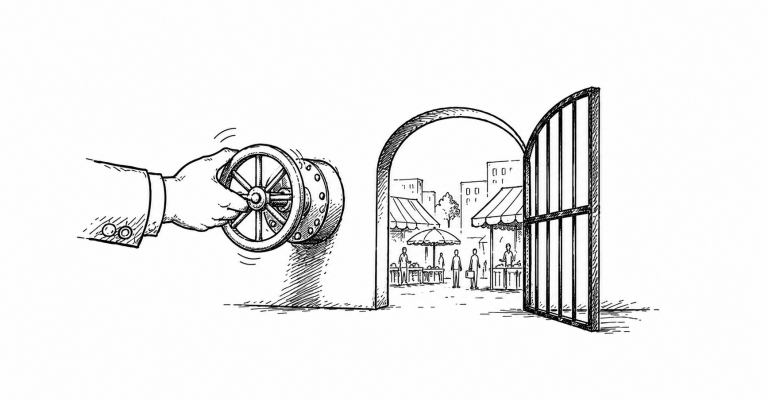
The case raises an important structural question about organizational design. What protections exist for employees assigned to identify discrimination when their findings implicate senior leadership? A DEI executive is typically given responsibility for improving workplace culture without necessarily possessing the authority to compel investigations, discipline executives or override the people who control employment decisions. In an ideal organization, such positions would function within a governance structure that honors independence and protects whistleblowers. In many organizations, however, DEI positions occupy an awkward space. They are expected to identify problems without necessarily having the power to solve them. And they remain dependent on senior leadership for their own employment security—creating obvious incentives to avoid raising concerns that might alienate the very people who can terminate them.
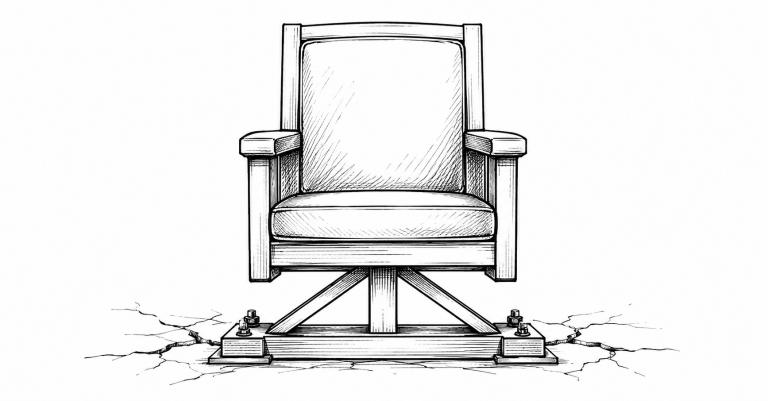
That structural gap can transform an inclusion position into a reputational shield rather than an accountability function. A company may point to the presence of a DEI leader as evidence of its commitment to inclusion while disregarding that leader when the work becomes uncomfortable. A well-resourced DEI department reporting directly to the CEO and protected from retaliation represents a meaningful commitment to accountability. A DEI officer whose concerns can trigger termination becomes primarily a symbol—valuable for external messaging but constrained from genuine impact.
Whether the specific retaliation described in the Warriors lawsuit actually occurred will be determined through the legal process. But the organizational structure described in the complaint reflects a pattern that extends far beyond professional sports. The NFL, NBA, MLB and other major sports leagues have invested substantially in public identity around racial inclusion, player activism and social justice. The Warriors themselves have cultivated a brand associated with progressive values and social consciousness. Yet highly visible public commitments do not automatically determine how employees experience power behind the scenes. Sports organizations are simultaneously entertainment brands, public institutions and private workplaces. Those three identities can pull in different directions.
The lawsuit’s significance extends beyond whether the Warriors ultimately prevail on the merits. It highlights the vulnerability of employees working inside corporate inclusion systems during a period when DEI positions are being eliminated, marginalized or reframed across American business. Organizations that retain those roles must decide whether they are prepared to give them authority—whether the DEI leader can influence hiring, promotions, investigations and discipline—or whether they merely want the appearance of oversight without the accountability that genuine authority would require. That choice has real consequences for the people assigned to do the work.
The case also illustrates how power dynamics within organizations can affect the legal claims available to workers. Shelley’s position as associate general counsel gave her legal expertise that many employees lack when challenging their employers. She was positioned to recognize retaliation and to understand her options. Yet legal knowledge and professional status did not protect her from termination or from the experience of having her professional references apparently undermined. That reality underscores how difficult it can be for any employee—regardless of position—to challenge conduct by senior leadership and remain in good standing.
As the Warriors litigation proceeds, other organizations with DEI positions will be watching. The case will likely influence how companies think about the actual authority granted to inclusion executives, whether those positions are protected from retaliation, and how organizations handle complaints raised by the people assigned to investigate discrimination. The Warriors’ brand is built partly on the promise that diversity and inclusion matter within the organization. If that promise rings hollow—if the person hired to safeguard it became a target for retaliation—the contradiction becomes difficult to ignore.