The city wants 55,000 new homes a year. The national government wants 88,000. Neither number changes the planning system that determines whether those homes can exist.
Voters in Redwood City, San Pablo and Berkeley are being asked to limit rent increases as high-paid technology workers push deeper into a housing market that was already short on supply.
Nearly 2,000 permanently affordable homes planned for a Brooklyn church campus point to an overlooked housing resource: institutions that already control large pieces of urban land.
Millions of renters face eviction filings each year, even as the emergency protections that temporarily suppressed cases during the pandemic have disappeared. The national numbers put Atlanta’s housing shortage into a sharper frame: the problem is not simply whether cities can build enough homes, but whether renters can remain in the ones they already have.
The city is spending millions to prevent displacement while decades of limited construction and a new wave of AI wealth keep raising the price of scarce apartments.
Home values have climbed, leaving millions of Americans sitting on substantial equity. But property taxes, insurance and repairs are turning that paper wealth into a monthly cash-flow problem.
An October survey finds housing anxiety rising as mortgage rates climb. The pressure extends beyond prospective buyers into the broader debate over household affordability.
We keep asking whether America is in a recession. Atlanta’s eviction crisis suggests we may be asking the wrong question. The economy can keep growing while millions of households experience something that feels remarkably like contraction.
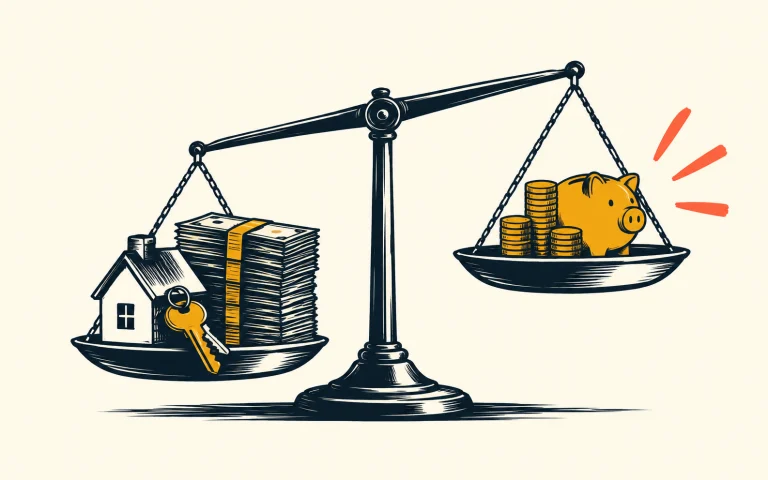
Renters now save about $12,800 a year compared with buyers, and renting is cheaper in all 50 major U.S. metros. Buying still wins, but only if you stay long enough.
The average homeowner with a mortgage now pays a record $209 a month for property insurance. Even when buyers can manage the interest rate, the cost of protecting the home can put ownership further out of reach.
The government approved a new emergency package after Parliament rejected earlier measures. With a November election approaching, renter protection and property investment are competing visions of how the housing market should work.
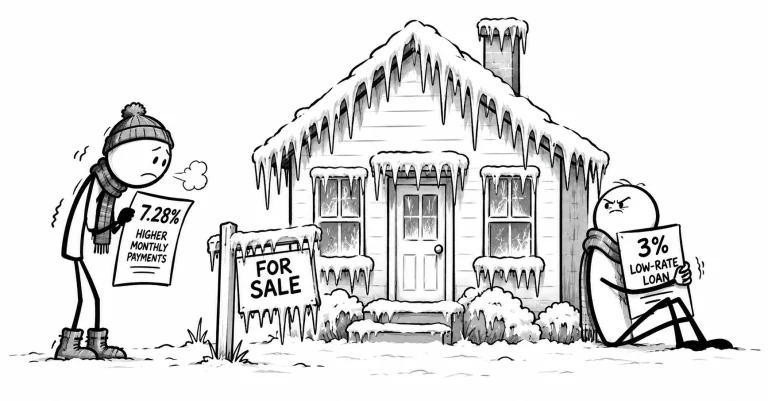
The average 30-year mortgage is at its highest level since November 2023. Buyers are losing purchasing power while owners with older low-rate loans have even less reason to sell.