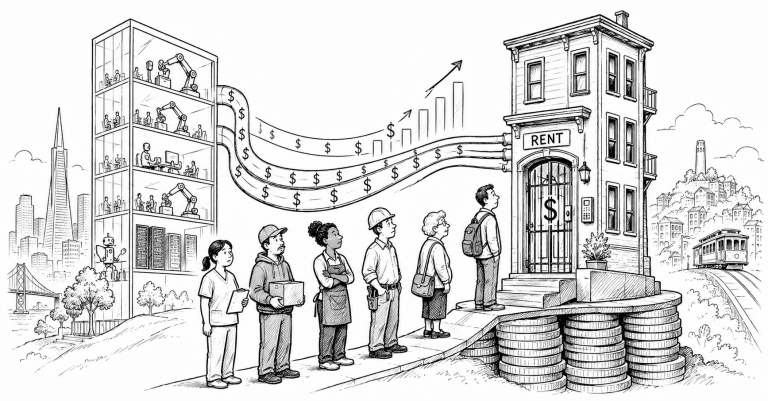

America’s Job and Housing Markets Are Freezing Mobility at the Same Time

Americans looking for a new job are confronting a hiring rate near its lowest level since the Great Recession. Americans trying to buy a home are confronting affordability conditions that remain among the worst in decades. Those pressures are usually discussed separately. Together, they are creating something more consequential: an economy where changing your circumstances is becoming harder regardless of the broader economy’s health. According to Business Insider’s September 18 analysis, U.S. businesses are hiring at roughly the same rate as two years ago, while mortgage rates are widely expected to remain above 6% for the foreseeable future.
The Economy Is Moving Without Much Mobility
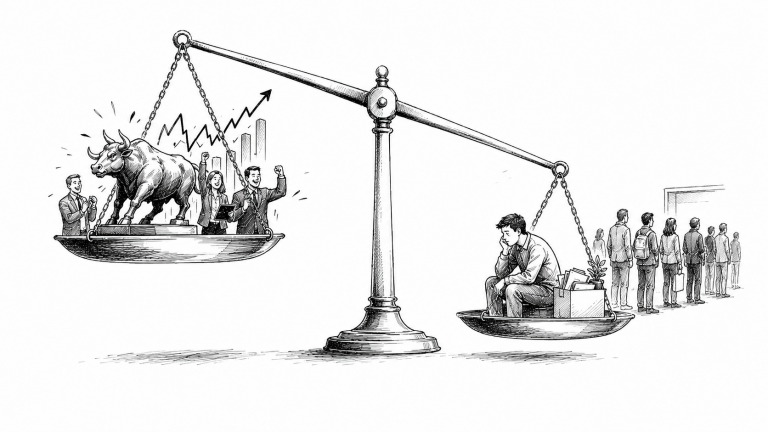
The labor market has settled into what economists increasingly call a “low-hire, low-fire” environment. Employers are not shedding workers at recessionary levels, but they are also not creating enough openings to give workers much leverage. An August survey of more than 100 U.S. economists conducted by Indeed found that respondents, on average, expected hiring demand to decline modestly over the next year. Fewer workers are quitting as opportunities shrink, which in turn reduces the number of vacancies employers need to fill.
That can be relatively comfortable for someone already in a secure position. It is substantially different for someone trying to enter the labor market, recover from a layoff, or increase earnings by switching employers. Business Insider profiled a Dallas software engineer who has been searching for full-time work since October 2024 after previously experiencing career gaps lasting only a few months. He has turned to gig work while searching, illustrating a broader divide between workers who entered this period with stable jobs and those who must compete for fewer openings.
The housing market reinforces and amplifies this rigidity. The Federal Reserve has moved interest rates substantially from their earlier peaks, but mortgage borrowing remains expensive because 30-year rates are influenced by longer-term bond yields, inflation expectations and fiscal conditions as well as Fed policy. Housing experts cited by Business Insider generally expect national prices to remain relatively flat rather than fall enough to restore affordability, while mortgage rates are expected to remain above 6%.
Being in Position Matters More
The result is an economy that increasingly rewards incumbency. Homeowners who locked in low mortgage rates years ago have little incentive to sell and finance another home at a significantly higher rate. Workers with stable jobs have less reason to leave them when finding the next position could take months. Each rational individual decision makes the overall system less fluid: fewer homes turn over, fewer jobs open, and people outside those systems face a higher barrier to getting in.
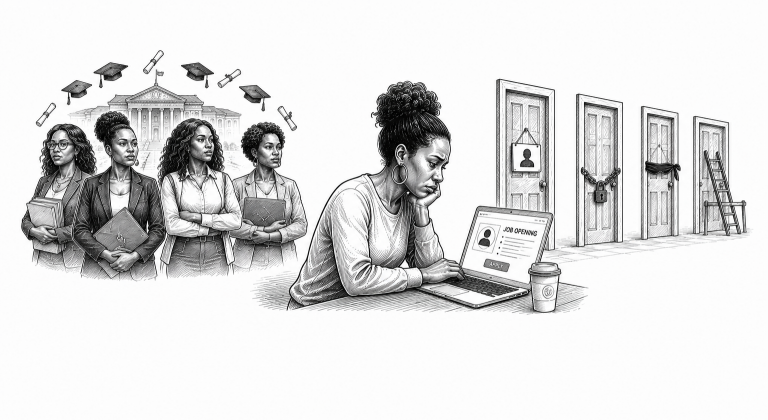
Artificial intelligence threatens to entrench this pattern further. Employers may eventually use productivity gains to expand businesses and hiring, but there is also evidence that employment has weakened in some occupations most exposed to AI. Companies are simultaneously asking whether entry-level workers are necessary when software can absorb portions of junior work. If businesses reduce those openings, the problem extends beyond one difficult hiring cycle: the economy loses part of the pipeline through which inexperienced workers become experienced ones.
The larger shift is not that Americans have stopped working or stopped buying homes. It is that two of the mechanisms people have traditionally used to improve their economic position—switching jobs and moving into ownership—are becoming less available at the same time. If those conditions persist, mobility will depend increasingly on when someone entered the system rather than simply what they earn today. Waiting for the old economy to return may itself become one of the most expensive choices.