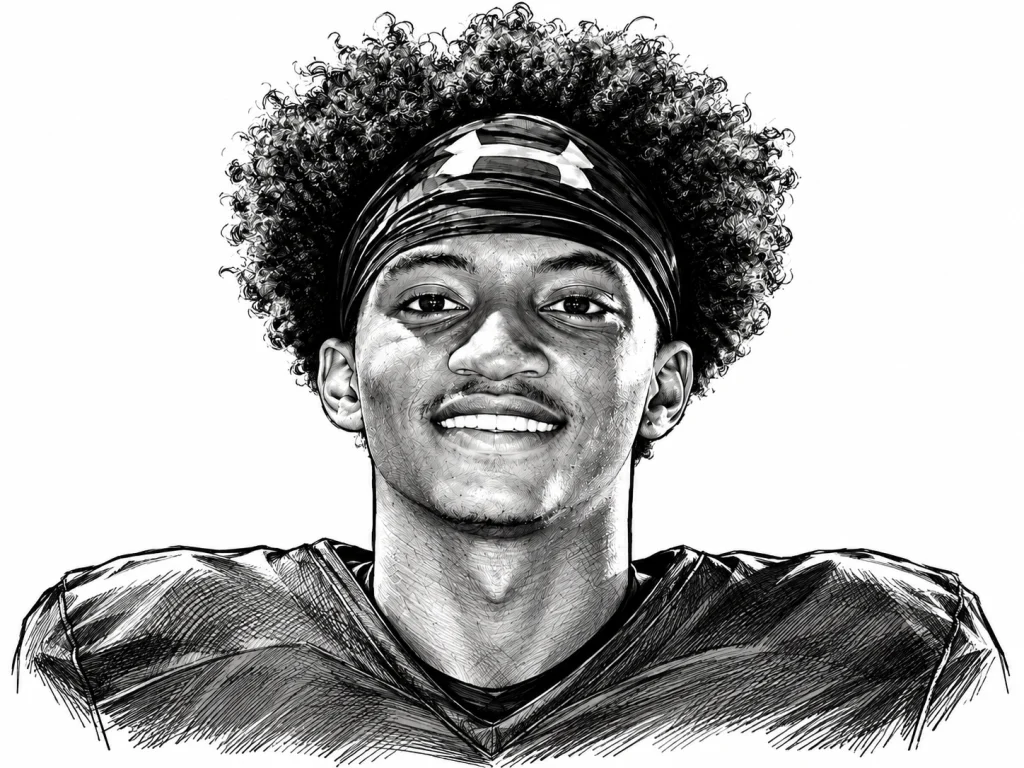
Thousands of people are blacking out their profile pictures for an 18-year-old who died on a Mississippi barrier island. Research on online movements explains why that matters, where its power ends and why the hardest part is refusing the comfort of looking away.
On Wednesday, social media users began replacing their profile pictures with black images and sharing one name: Nolan Wells. He was the 18-year-old Black college student whose death in Mississippi has produced more questions than answers for his family and supporters. The coordinated Blackout for Nolan Wells asks participants to change their profile images, share his name and use the hashtags #BlackoutForNolan, #NolanWells and #SayHisName. Prominent voices joined in, including children’s educator Ms. Rachel, who encouraged her followers to take part, according to TheGrio. For a few hours, a feed full of vacation photos, product launches and hot takes went dark in the same direction at the same time.
The timing is not accidental. Last week, a Mississippi grand jury declined to bring criminal charges, saying it found no credible evidence that anyone who traveled to or from Horn Island with Wells engaged in criminal conduct connected to his death, the Associated Press reported. His family is not treating that as the end. The official autopsy and the independent autopsy both listed his cause of death as undetermined, and the family’s attorneys have called for more transparency and a federal investigation. A grand jury found no crime it could charge, the medical examiners could not say how he died, and in the space between those two findings a family is still asking what happened to their son.
How we got here
When SSC first reported on Wells in July, we argued that the quietness is the story. On July 4, Wells went with friends by boat to Horn Island, a remote, uninhabited barrier island off the Mississippi Gulf Coast with no staff and no facilities. He was the only Black person in the group. His friends came back that afternoon without him. Searchers found his body on the island days later, and authorities quickly attributed the death to drowning and said they did not suspect foul play. Then the details began to complicate that explanation. Family attorney Ben Crump said students had recorded an altercation on the boat. Wells’ phone was taken off the island by others, and messages on it were deleted. His family chose to have a second autopsy done in Washington, D.C., rather than rely only on Mississippi authorities. No one has publicly explained the deletions. Those silences were the story then, and nearly three months later they are still the story.
That is the thread connecting July’s reporting to today’s blackout. The people changing their profile pictures this week are not reacting to new evidence. They are reacting to the sense that the official account closed while the questions stayed open. The blackout is a way of making those questions loud.
What a blackout actually does
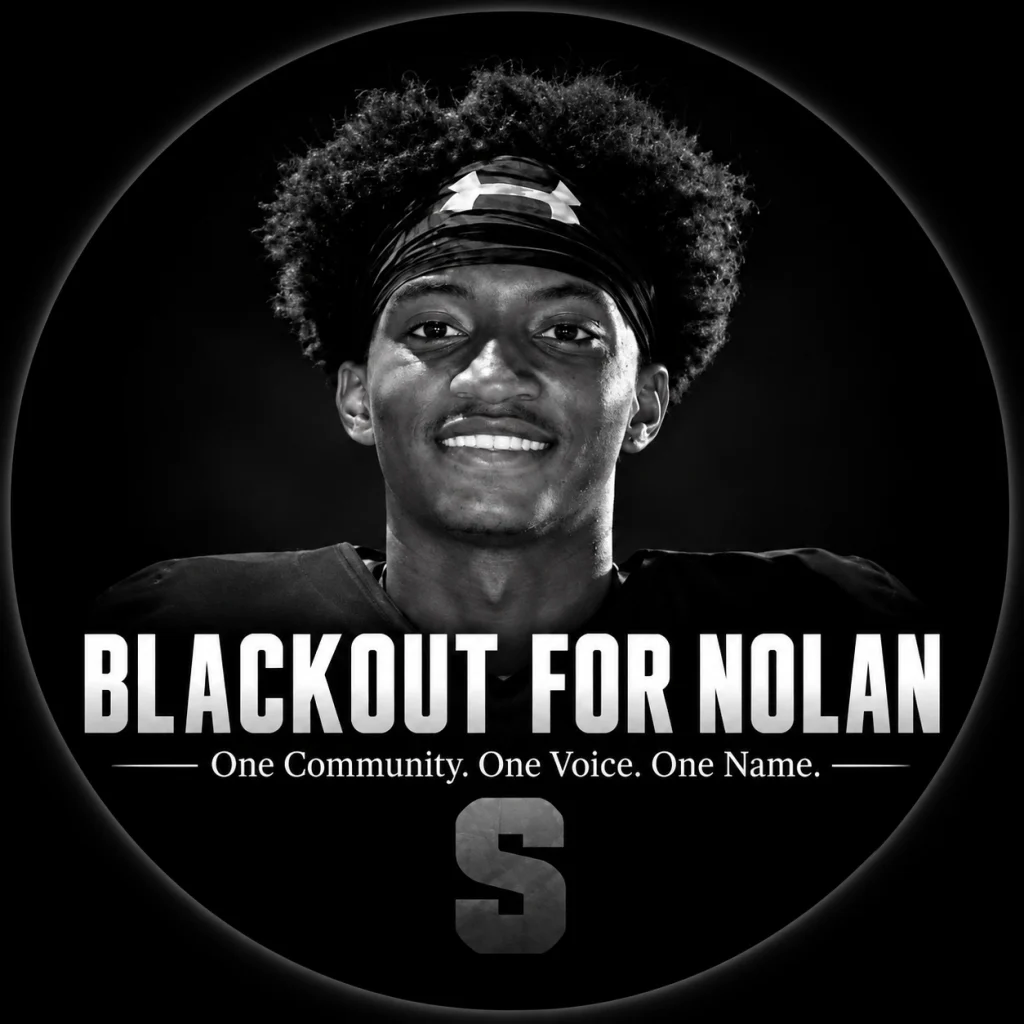
Changing a profile picture cannot reopen an investigation, and a hashtag cannot compel a prosecutor, a sheriff or the Justice Department to act. But that does not make coordinated digital protest meaningless. Research on online activism, including a review published in ScienceDirect, has found that social media helps people document experiences, build communities, set shared norms and develop what researchers call shared realities. Reviews of the evidence have generally found a positive relationship between online activism and offline collective action, though how strong that relationship is varies widely by movement and circumstance.
When one person changes a profile picture, that is an individual expression. When thousands do it at roughly the same time, it becomes a visible social signal. People who knew nothing about Wells keep running into his name. Others see friends, coworkers and public figures participating and learn that the case matters within their own network. Research on protest movements published by Wiley has found that social media can spread information while also passing along motivation, group identity and the sense that collective action is possible.
That dynamic is already visible around Wells. On Tuesday, demonstrators gathered outside the Jackson County Courthouse demanding more action in the case, according to WTVA. Online, the conversation has spread across platforms. WIRED reported Wednesday that the response to Wells’ death has become another example of Black political and cultural conversation taking hold on Threads, much as Black Twitter once served as a gathering place for breaking news, commentary and organizing. The audience is moving. The instinct to gather has not.
The comfort of the closed case
There is a harder part of this story, and it is less about Mississippi’s institutions than about the rest of us. Most people do not ignore cases like Wells’ because they don’t care. They look away because the alternative is uncomfortable. An official explanation, even an incomplete one, gives us permission to stop thinking. “Drowning, no foul play suspected” is a sentence that lets a reader exhale. “No credible evidence of criminal conduct” sounds like a conclusion even when it is only the absence of one. We accept those sentences not because we have weighed the evidence, but because carrying an unresolved question about how a Black teenager died on an island with a group of white friends is heavy, and putting it down is easier.
That is how issues like this get swept under the rug. Usually no one covers anything up in a dramatic way. People simply let the matter settle. The news cycle moves on, the official word becomes the remembered version, and the family is left holding questions everyone else has quietly set aside. Mississippi has a long history of exactly this pattern, from the acquittal of Emmett Till’s killers in 1955 to the many deaths of Black men and boys that were labeled accidents and allowed to fade. That history is why Wells’ family went to Washington for a second autopsy. It is also why their supporters hear “undetermined” not as an answer but as an invitation to keep asking.
The uncomfortable truth is that the rug is not only held by prosecutors and sheriffs. It is held by every reader who decides the matter is closed because closure feels better. A blackout pushes against that in a small way. For one day it refuses to let the feed return to normal. The question is what happens on the second day.
Visibility is not the same as power
Recent history carries a warning. During Blackout Tuesday in 2020, millions of Instagram users posted black squares in solidarity after George Floyd’s murder. The scale made the movement impossible to miss, but activists soon warned that people tagging the black squares with #BlackLivesMatter were flooding the feed and burying posts carrying protest logistics, donation links and other information organizers were trying to spread, The Washington Post reported. Later research found that Blackout Tuesday content leaned toward expressions of solidarity rather than the deeper political discussion in #BlackLivesMatter posts. Many of the brands and institutions that posted black squares that summer have since scaled back the commitments they announced alongside them. The square was the easiest part. Very little of what came after it lasted.
That history explains both the power and the limits of today’s blackout. Social media lowers the cost of joining a movement to almost nothing, and that is exactly its risk. A gesture that costs nothing can feel like enough. Changing a profile picture can become its own kind of rug: a way to feel we have done our part, so we can go back to our day without the weight of the question. The harder work is turning that participation into sustained attention and specific action. For Wells’ family, the requests go well beyond online visibility. They want transparency about how the investigation was handled, an explanation for the deleted messages and federal scrutiny of a case that local officials consider closed. The blackout can put those demands in front of people who would never have heard of them. It cannot fulfill them.
Where the black square leads
That may be the most important lesson of digital movements. People rarely begin civic engagement by attending a protest, joining an organization or calling an elected official. Often they begin by seeing the same name in their feed again and again and asking why. A black profile picture is a very small act. What it means depends on whether it is where someone’s attention ends or where it starts. Read what has been reported about Horn Island. Ask why the messages were deleted and who deleted them. Contact the Justice Department and your representatives about the family’s call for a federal review. And when the official story invites you to exhale, notice how much easier that would be, and decide whether ease is the standard Nolan Wells deserves.
Sources: TheGrio; the Associated Press; WTVA; WIRED; The Washington Post; ScienceDirect; Wiley Online Library; Social Storytellers Collective reporting (July 10, 2026).