With her debut solo album arriving Friday, Yung Miami is turning luxury giveaways into viral entertainment, following a playbook Cardi B helped revive: make the promotion as compelling as the music.
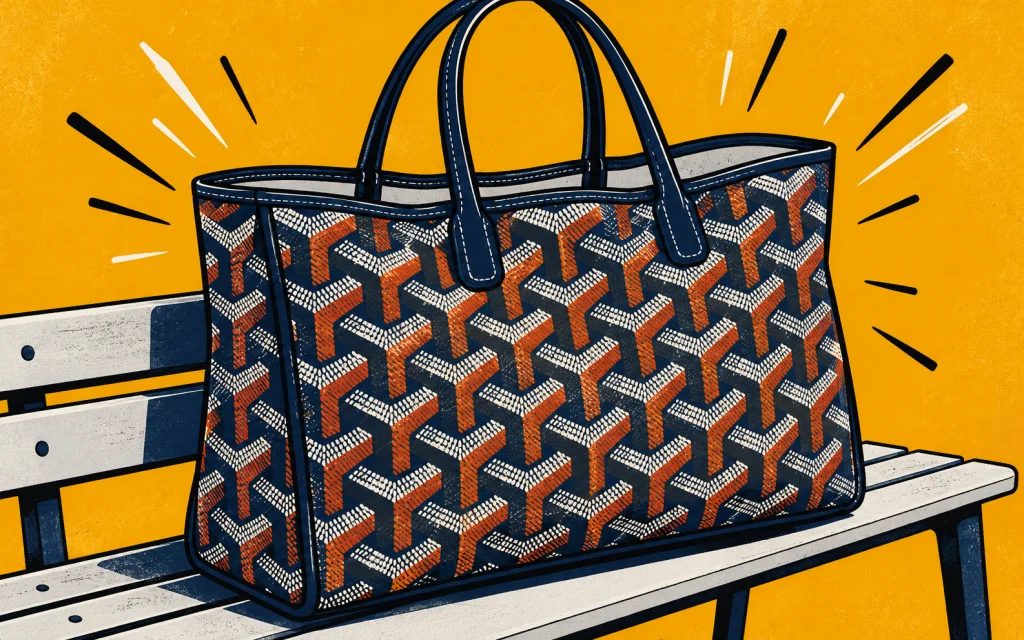
A woman in Miami recently found herself celebrating with a Goyard handbag she never paid for. Rapper Yung Miami had hidden the bag somewhere in the city and invited fans to find it. When footage of the winner surfaced on The Shade Room, the post drew tens of thousands of likes, and Yung Miami showed up in the comments teasing Atlanta as the next stop. What looked like a spontaneous celebrity giveaway landed just days before the Oct. 23 release of her debut solo album, Watch Dis. Whether or not anyone formally labeled the treasure hunt an album promotion, its timing and reach made it one of the most effective pieces of the publicity around it.
The approach should look familiar to anyone who followed Cardi B’s rollout for Am I the Drama? in September 2025. Cardi sold CDs on New York sidewalks, delivered comedic sales pitches on subway trains and turned viral courtroom moments into collectible merchandise. SSC called that campaign a new model for how albums get released, one engineered around attention scattered across platforms rather than a single big announcement, and a strategy that has since become a case study in communications programs. The two campaigns differ in execution, but they share a philosophy: give people something entertaining enough to talk about before asking them to listen. In an industry where artists compete for attention on countless platforms, the rollout is becoming a creative production of its own.
Cardi B Reminded the Industry That Promotion Can Be Entertainment
When Cardi B prepared to release Am I the Drama?, her first album in seven years, she could have leaned on the familiar mix of interviews, music videos and social media countdowns. Instead, she leaned into the personality that made her famous long before her Grammy-winning debut. In one video, she spread physical copies of the album across a sidewalk and joked that her label had sent her into the streets to sell records. In another, she worked a subway car with a deliberately theatrical sales pitch. The bits were funny because one of the most recognizable rappers in the world was acting like an unknown artist hustling her first project.
As Vogue documented, the campaign blended fashion, humor, guerrilla marketing and spontaneous-looking public appearances. Cardi even turned the viral attention around her civil trial into limited-edition vinyl. Behind the viral moments sat a serious operation, with multiple physical editions, retail partnerships and fan events. Am I the Drama?debuted at No. 1 on the Billboard 200 with about 200,000 equivalent units, including 88,000 in traditional album sales and 145.72 million on-demand streams in its first week, according to Billboard.
Those results can’t be credited to viral moments alone. Cardi came in with an established fan base, major-label resources and years of pent-up demand. But the rollout showed how a carefully built promotional story could turn an album release into a cultural event, and she hasn’t stopped running the play. She has since turned a Chipotle mention into a Chili Lime Chips launch that generated more than 215 million social engagements, and this week she brought a stripped-down set to NPR’s Tiny Desk.
Yung Miami Is Selling a Different Kind of Experience
Yung Miami is working with a different proposition. Watch Dis arrives Friday as she builds a musical identity of her own after years of success with City Girls. The project has been positioned as a declaration of confidence after a stretch of public scrutiny and questions about her future. In an Oct. 2 announcement from Universal Music, she introduced two singles, “F You” and “2008,” along with a music video, building on the momentum of “Spend Dat,” which helped set her solo direction. Her press run has also taken her to Atlanta for interviews and fan events.
The Goyard giveaway adds something those appearances can’t. Instead of just watching Yung Miami promote her music, fans get to take part in something she created. The choice of Goyard is smart, too. The French luxury house carries real cultural weight among fashion-conscious audiences, especially in hip-hop and influencer circles, and its bags are expensive enough to feel aspirational and recognizable enough to make a thrilling prize on camera. By hiding one somewhere in Miami, she turned luxury into a game. The winner got a handbag, but the audience got a story with suspense, a reveal and the promise of another installment. When she commented “ATL TOMORROW!!!!!” under The Shade Room’s post, she gave everyone a reason to keep watching.
Two Artists, Two Strategies, One Objective
Cardi B’s campaign ran on humor and self-parody. She dropped the distance that usually comes with celebrity and played a street vendor trying to make a sale, and the gap between her fame and her behavior made the videos shareable. Yung Miami’s treasure hunt runs on aspiration and access. She isn’t pretending to be an ordinary person selling records. She’s inviting ordinary people into the luxury lifestyle tied to her public image.
Both strategies work because they grow out of an identity audiences already recognize instead of forcing an unrelated marketing concept onto the artist. Cardi’s appeal has always included her willingness to be outrageous, funny and unfiltered. Yung Miami’s persona is built on glamour, confidence, designer fashion and an unapologetic enjoyment of wealth. The campaigns also invite two kinds of participation. Cardi asked people to watch, react, share and buy. Yung Miami is asking followers to search, document, celebrate and maybe become part of the content themselves. Neither requires anyone to hear a full song first. The experience is its own way in.
Why the Traditional Rollout Is No Longer Enough
There was a time when a major album could dominate the culture through a coordinated run of radio, magazine covers, TV performances and music videos. As SSC has reported, that star-making machine has largely broken down, and artists now compete not just with other musicians but with comedians, influencers, podcasts, streaming shows and whatever happens to take over the internet that afternoon. A release-date announcement can vanish from a feed in seconds. A superstar selling albums on a subway or hiding designer bags around a city has a much better shot at becoming a conversation that travels beyond the existing fan base.
That’s the advantage of experiential marketing. Instead of telling people a product exists, it creates an encounter they want to talk about, and the audience becomes the distribution network. Fans repost the moment, entertainment pages like The Shade Room amplify it, and the conversation reaches people who weren’t following the campaign at all. It’s the same shift SSC tracked in today’s look at how, for many young Black and Latino adults, the front page is now a For You Page.
There is an important difference, though, between engagement and conversion. A viral giveaway can rack up millions of impressions without producing a matching number of streams or sales, and SSC made the same point about Chipotle’s Cardi B numbers: impressions measure exposure, not customers. Success ultimately depends on whether attention turns into listening, buying and lasting interest. For Yung Miami, that question stays open until Watch Dis arrives and people start responding to the music itself.
The New Rollout Has to Be Worth Watching
The most interesting thing Cardi B and Yung Miami have in common isn’t that they found creative ways to get attention, since artists have staged elaborate publicity stunts for generations. It’s that their promotions feel like entertainment people would watch even with no album attached. Cardi turned the sales pitch into comedy. Yung Miami turned a designer bag into a citywide treasure hunt. Each gave fans a story to follow, a moment to share and a reason to keep watching.
There’s a lesson in that for the wider entertainment industry. Audiences don’t necessarily object to being marketed to. They object to marketing that gives them nothing back, and humor, access, suspense and participation can change that relationship. A great rollout still can’t rescue music that doesn’t connect. Cardi’s campaign came with an album that had real commercial momentum, and Yung Miami’s solo debut still has to earn its own reception.
But with Friday approaching, Yung Miami has already shown something about the modern music business: an artist doesn’t have to wait until release day to give fans an experience worth remembering. Sometimes the campaign starts with a song. Sometimes it starts with a woman finding a Goyard bag in Miami, and the smartest way to sell an album is to make people forget, for a moment, that they’re watching an ad.
Reporting sources: The Shade Room, Vogue, Billboard, Universal Music, Complex