
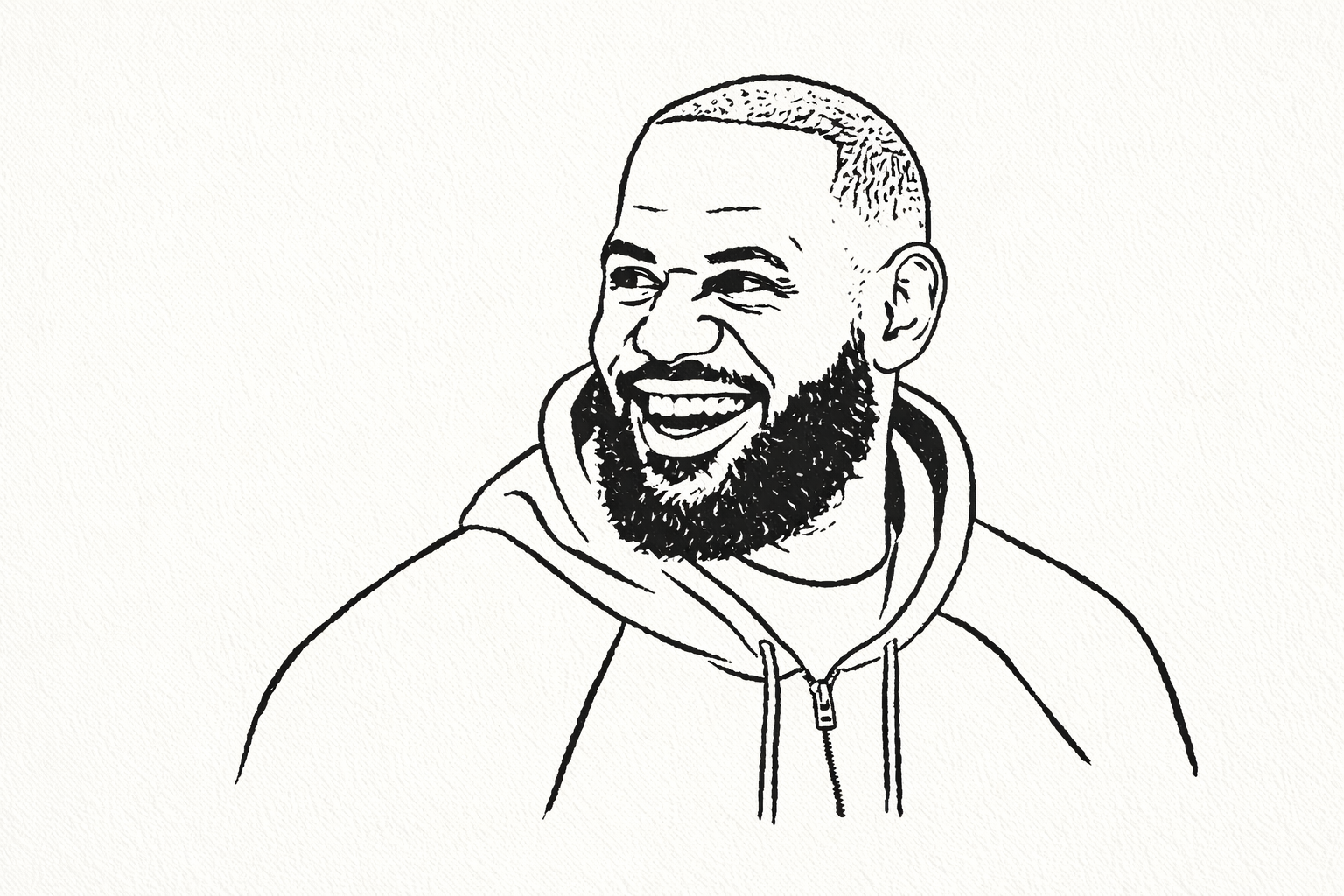
LeBron James is facing backlash after comments suggesting NBA travel accommodations could shift from Memphis to Nashville — with critics framing the remark as dismissive of Memphis and, in some cases, “anti-Black.” The reaction intensified as a clip circulated alongside commentary about his tone and delivery, including claims that he was speaking differently in front of a predominantly white audience. ESPN’s Stephen A. Smith added another layer, criticizing the optics and arguing the comment lacked sensitivity to Black residents in Memphis. What began as a logistical observation became a broader conversation about identity, perception, and who is allowed to say what — and where.
The speed of that shift matters. The original remark is no longer being evaluated on its own terms but through layers of interpretation — tone, setting, audience, intent. A comment about travel becomes a statement about a city. A perceived change in voice becomes a question of authenticity. Each layer adds meaning, and once those meanings align, they produce a narrative that feels complete — even when it’s assembled from fragments rather than full context.
That’s where the tension sits. Criticism is expected at that level of visibility. But when interpretation moves faster than context, conclusions can outpace evidence. The conversation shifts from what was said to what it supposedly reveals about the person — and that moves the discussion from accountability to assumption. Once that line is crossed, the original comment becomes almost secondary to whether the narrative being built around it is actually grounded, or simply persuasive enough to stick.
What turned the moment into controversy wasn’t the substance of the remark, but the setting and the speaker. The same critique, delivered by a different player or in a different room, may not have landed the same way. Stephen A. Smith’s point about optics is worth sitting with — not because it settles the debate, but because it names something real: public reaction is rarely just about what was said. It is shaped by who said it, where they said it, and how it maps onto narratives already in motion.
The divide in reaction reveals something deeper than disagreement over a city. It surfaces how credibility, context, and perception operate in real time — and how quickly those forces can collapse a single moment into a referendum on character. Some see the criticism as consistent with accountability standards applied across the league. Others read the moment as an overreach, a reaction more shaped by optics than by anything LeBron actually said. Both readings are present in the public conversation. Neither has fully resolved.
Why It Matters
Commentary at this level has never existed in a vacuum, but the speed of circulation has changed what accountability looks like. A clipped moment can carry more weight than the full exchange it came from. For Black public figures specifically, the margin for misreading is narrower — and the consequences of a narrative taking hold, accurate or not, move faster than any correction. That’s not a defense of any particular comment. It’s an observation about the conditions under which those comments are now judged.