
During a recent tour stop, Cardi B paused to acknowledge the Latino community while adding a pointed reminder: that the freedoms many people experience in the United States are rooted in the struggles of Black Americans. The moment quickly moved beyond the stage. It tapped into a recurring national conversation about who gets recognized in the story of American progress and how that recognition is framed.
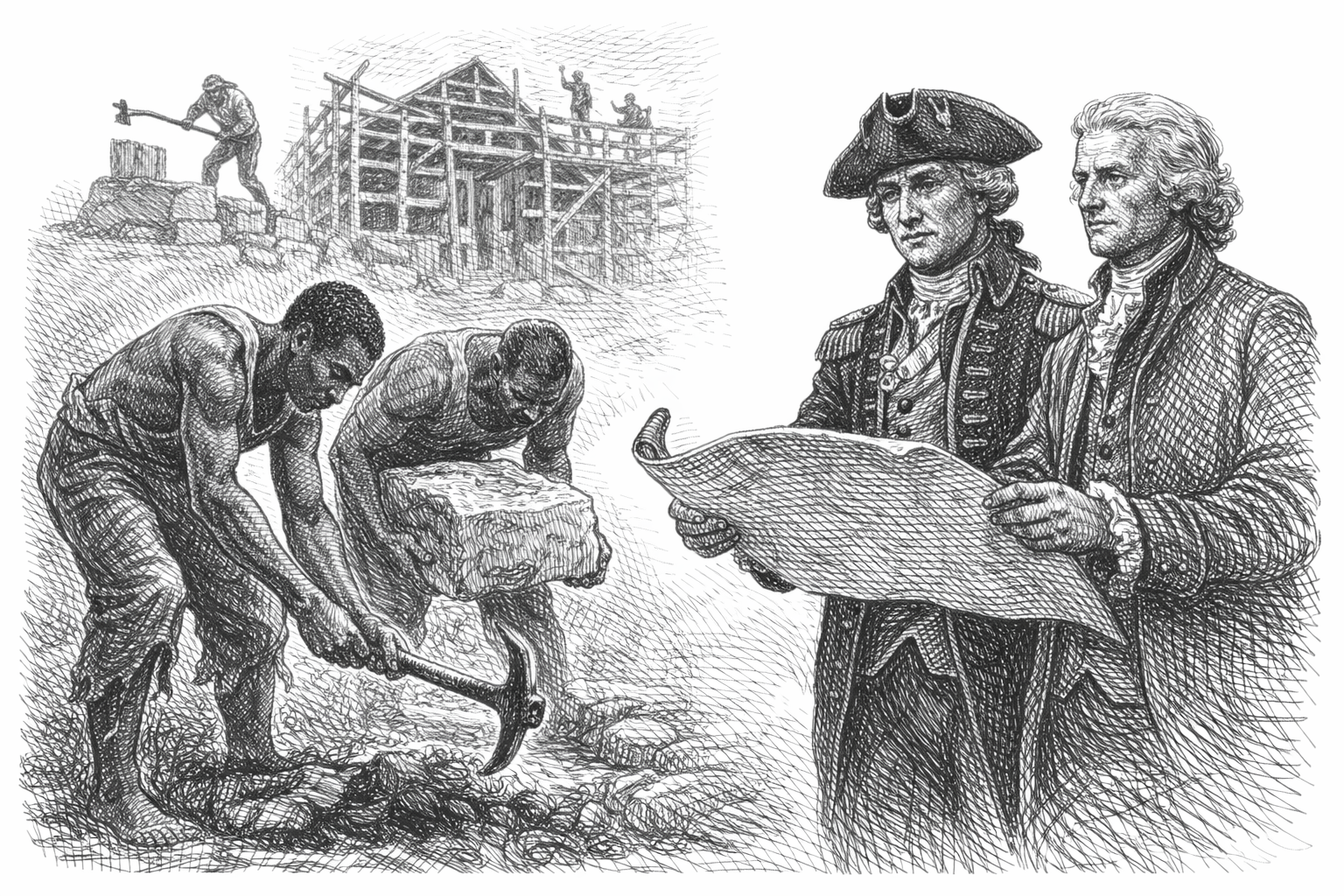
What she articulated reflects a historical reality that is often softened in public discourse. Chattel slavery was not a side chapter in the American story. It was a foundational system that built wealth, infrastructure, and legal frameworks that still shape the country today. The abolition of that system, and the civil rights victories that followed, were not inevitable. They were fought for, often at immense cost, by Black Americans. Many of the rights other groups benefit from today were secured through that struggle.
This is where the conversation often becomes unclear. There is a difference between contributing to a country’s growth and being central to its foundation. Black American history is not one thread among many. It is core to how the country was constructed and how its rights were redefined. When that distinction is blurred, even unintentionally, it does not broaden the story. It distorts it.
Why it matters:
Clarity in historical framing is not exclusion. It is accuracy. A shared national story only works if it is grounded in what actually happened, not in an effort to make every contribution feel equivalent