
Part of Culture in Motion — examining who defines culture, how it moves, and what it reveals about the moment.
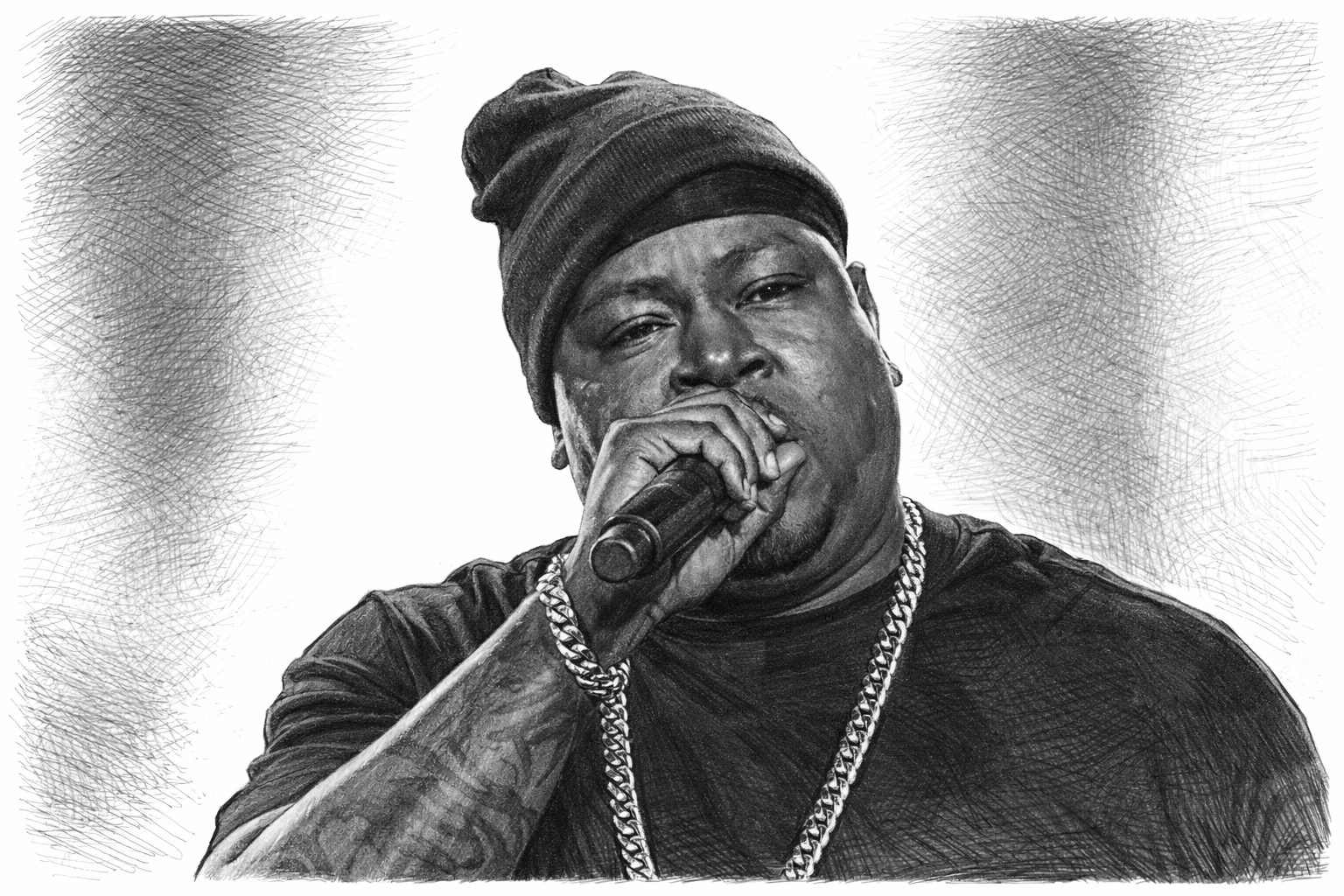
A performance at the South Atlantic Regional Conference of Alpha Kappa Alpha Sorority, Inc. ended mid-set after attendees walked out and sorority leadership shut the show down. The artist was Trick Daddy. The event context was a Step and Stroll competition — a structured cultural tradition rooted in discipline, presentation, and organizational pride. According to a statement from South Atlantic Regional Director Tiffany Moore Russell, expectations around language, attire, and song selection had been clearly outlined in the contract in advance. Those expectations were not met.
The decision to end the performance was framed not simply as a reaction to explicit content, but as a response to what leadership described as “disrespect for our organization and our brand.” That framing matters and deserves to be taken seriously. It shifts the conversation from a question of taste to a question of alignment — not just what was performed, but where, and whether the artist understood the weight of the room he entered. A Step and Stroll competition is not a general audience event. It is a ceremony. And ceremonies have standards that exist independent of what any individual performer considers acceptable elsewhere.
The online debate that followed moved quickly to the familiar question of responsibility: who bears it when a booking goes wrong? Some pointed to Trick Daddy’s established catalog and decades-long public persona, arguing the outcome should not have been a surprise to anyone who made the booking decision. Others pointed to the contractual expectations that were reportedly set in advance, arguing that once terms are agreed to, adaptation becomes part of the professional obligation. Both positions are correct — and that is exactly the problem. When both sides of the accountability argument are simultaneously valid, it usually means the failure happened upstream of the performance, in the space between the contract and the room.
This is also a story about what Black institutions are regularly asked to absorb. Alpha Kappa Alpha Sorority, Inc. is one of the oldest and most prominent Black Greek-letter organizations in the country. Its events are not simply social gatherings — they are institutional expressions of a legacy that predates most of the entertainment industry’s current roster. When an artist walks into that space and performs as though the room is interchangeable with any other booking, the organization is left managing a public moment it did not create and did not choose. The walkouts were not just an audience reaction. They were a form of institutional self-defense.
The broader dynamic this exposes connects to something SSC has been documenting across multiple beats. As covered in the predatory music industry contracting piece and the analysis of the Jay-Z GQ interview, the entertainment industry’s relationship to Black cultural spaces has always involved a negotiation over terms — who sets them, who enforces them, and who absorbs the cost when they break down. The Ari Lennox and Jill Scott analysis made clear that Black artists navigating industry structures face constant pressure to perform across rooms with radically different expectations. The inverse question — what Black institutions owe their members when a booking signals the wrong thing — is the same structural issue from the other side of the stage. Booking decisions are editorial decisions. They communicate something about who an organization believes its members are and what they deserve.
Contracts can outline boundaries. They cannot guarantee that an artist has internalized the difference between compliance and respect. Those are not the same thing. Compliance is performing the agreed-upon set. Respect is understanding why the room you’re in requires something different from the rooms you usually play. When that distinction disappears on stage, the gap becomes visible to everyone watching — and the response to it becomes part of the permanent record of how the event is remembered.
Why This Matters
This moment is less about one performance and more about how Black institutions navigate cultural authority in public settings. When that communication breaks down in real time, in front of the membership, the fallout doesn’t stay confined to the stage — it reshapes how audiences read both the artist and the institution that put him there. AKA’s decision to end the show was the right call. The more important question is what happens before the next booking — and whether the lesson travels further than one regional conference.