
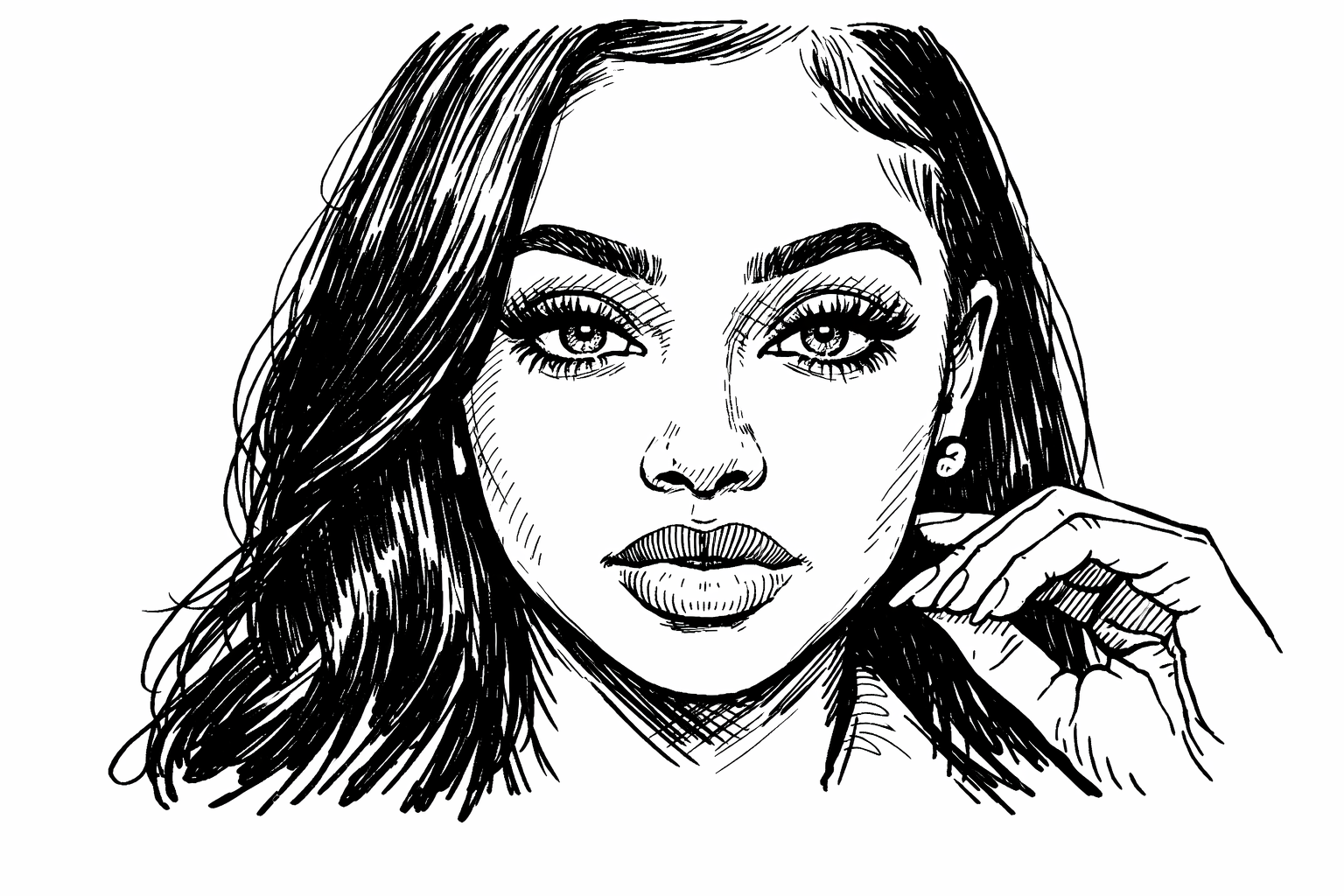
Xania Monet is the project of Telisha Jones, a Mississippi-based design studio owner who used the AI platform Suno to turn her own lyrics into music. Monet is the first known AI artist to earn enough radio airplay to debut on a Billboard radio chart — her track “Let Go, Let God” hit No. 21 on Billboard’s Hot Gospel Songs, and “How Was I Supposed to Know” debuted at No. 1 on R&B Digital Song Sales. A bidding war followed, and Jones signed a multimillion-dollar agreement with Hallwood Media, the indie label led by former Interscope executive Neil Jacobson. The deal marked a shift in how labels are thinking about talent — not just the artist, but the system behind the output.
This is not happening in isolation. Earlier attempts at virtual artists, such as FN Meka — a digital rapper briefly signed to a major label — and Lil Miquela, a computer-generated pop persona with millions of followers, demonstrated both the potential and the controversy of synthetic performers. What is different now is scale and commercial viability. In just two months, Monet pulled in more than 17 million streams. The experiment is no longer theoretical. It is entering the business side of the industry with real money attached.
The reaction from working artists has been pointed. Kehlani said of the deal: “Especially not AI in the creative arts, in which people have worked hard for, trained for, slept on the floor for, got injuries for, worked for their entire lives. I don’t respect it.” SZA and others have voiced similar concerns, and the backlash reflects something deeper than protectionism. It reflects a question about what the industry is actually buying when it signs an act like Monet. The focus is no longer just on the artist as an individual, but on the system behind the output — the model, the data, and the ability to produce at scale with consistency and control.
The legal landscape adds another layer of complexity. Suno, the platform Jones used to create Monet’s music, is currently involved in copyright disputes with major record labels, which is part of why labels backed by the majors abstained from the bidding war — though one major label put a top offer on the table anyway. The Recording Academy has said it won’t fully recognize AI-written songs in songwriting categories, though AI-assisted works may qualify if the human contribution is clear. The rules are being written in real time, and the industry is operating well ahead of the regulatory framework designed to govern it.
From a business standpoint, the appeal is clear. AI-generated performers can deliver continuous content, maintain brand consistency, and avoid many of the risks associated with human careers. But those efficiencies introduce a deeper tension around identity and connection. Music has historically been tied to lived experience. Listeners connect not just to sound but to story. In this model, that relationship becomes less direct — expression comes from a human source, while the voice itself is synthetic, creating a version of artistry that separates feeling from form.
With more than 146,000 followers on Instagram, Monet is proof that consumers are increasingly open to the idea, even if the industry is riled by it. Early engagement suggests the distinction may not matter to some listeners. Over time, however, connection has rarely been built on output alone. Credibility, relatability, and the perception of something real have historically shaped how audiences engage with artists. The signing of Xania Monet does not replace human artists, but it expands what the industry is willing to define as one. The question is no longer just whether AI can create music. It is whether audiences will value the voice if they are no longer sure who — or what — is behind it.