
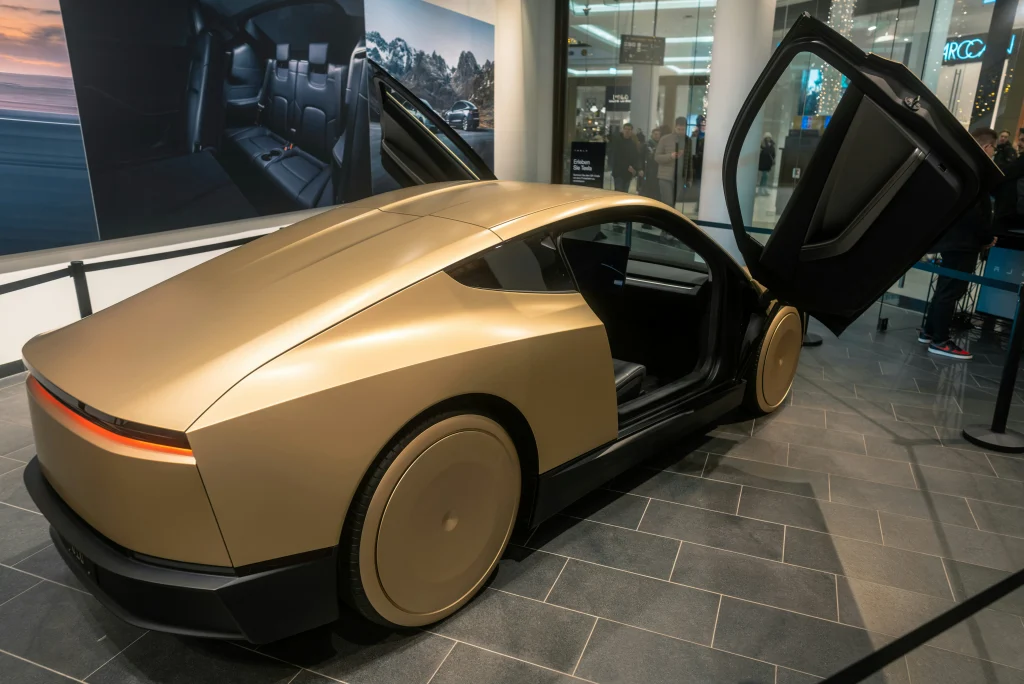
The Cybercab is now open for personal pre-orders, but buyers pay a monthly fee and are limited to the map Tesla draws for them.
By SSC News Desk | November 14, 2026 | Technology / Business | 3 min read
Tesla has started taking orders for a car you’ll own but can’t fully control. On Friday evening the company announced that “select customers” can now pre-order the Cybercab, its gold, driverless two-seater, for personal use, TechCrunch’s Anthony Ha reported. The sticker price is $29,990. The fine print showed up as buyers reached the order page. Tech reviewer Marques Brownlee posted that buyers must accept delivery in one of a handful of Texas cities, that the vehicle only runs inside geofenced zones, and that owners pay $299 a month to operate it. Estimated delivery is December 2026.
Ownership on a subscription
The monthly fee is the bigger story. Over five years, $299 a month adds almost $18,000 to the purchase price, which makes the “$30,000 robotaxi” closer to a $48,000 commitment before insurance, charging or upkeep. Elon Musk seemed to agree the number was off. Replying to Brownlee, he called the fee “too high” and said it should match the cost of Full Self-Driving plus connectivity on other Teslas, about $115 a month. He also said the Cybercab will be available nationwide “as we receive regulatory approval.” For now, nobody has published a timeline for either the lower fee or that approval.
The geofence makes the model clear. Tesla’s AI chief Ashok Elluswamy said the Cybercab will drive itself unsupervised in the same areas Tesla’s robotaxi service already covers, “just serving the owners’ needs.” In practice, a buyer’s car stays inside the service area Tesla approved, on software Tesla controls, for a recurring fee that Tesla sets and the CEO can change in a single post. The customer owns the hardware. Tesla keeps control of where it can drive.
A product Tesla needs to work
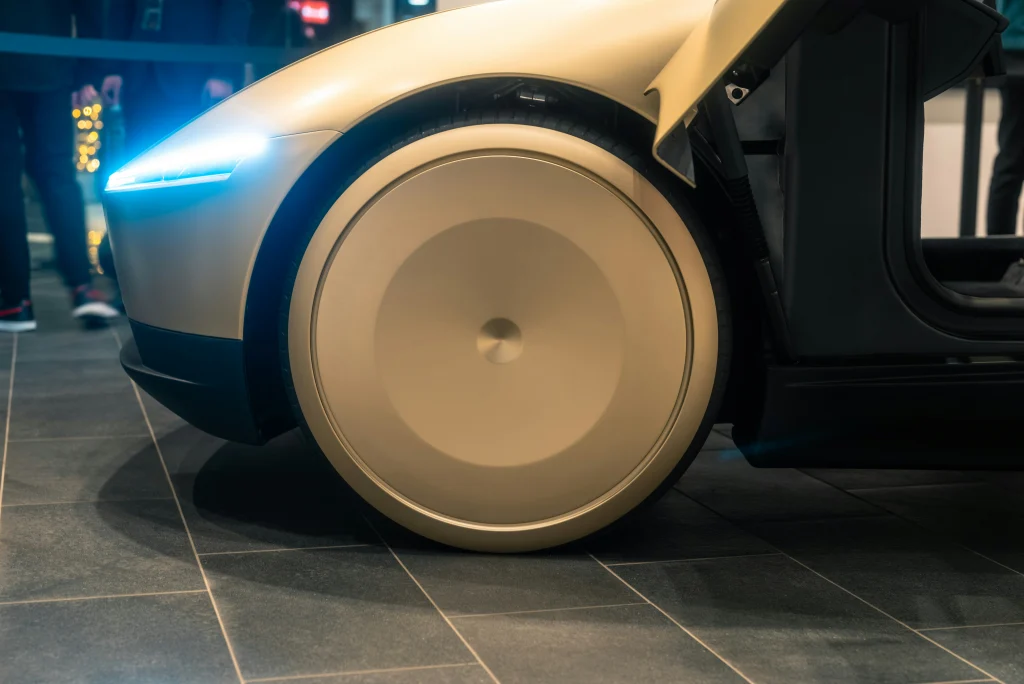
After the Cybertruck fell far short of its sales projections, Tesla said earlier this month that it will stop building the truck in 2027 and use that factory capacity for more Cybercabs. The company is betting freed-up production lines on a vehicle whose market is currently limited to a few Texas cities and a group of pre-selected buyers.
Opening personal sales also changes who carries the risk. A robotaxi fleet that Tesla owns shows up on Tesla’s balance sheet. A Cybercab in a customer’s driveway, paying $299 a month, is recurring revenue with the capital cost moved to the buyer. Expect the fee to come down toward Musk’s $115 figure before the first deliveries, because Tesla needs early owners to sell the idea to everyone else. Don’t expect the geofence to move nearly as fast. Regulators, not Tesla, decide how quickly that map grows, and that’s the part of the product buyers can’t control.